Can Travel Retail Speed The End of Cigarettes And Make Them Museum Artifacts?


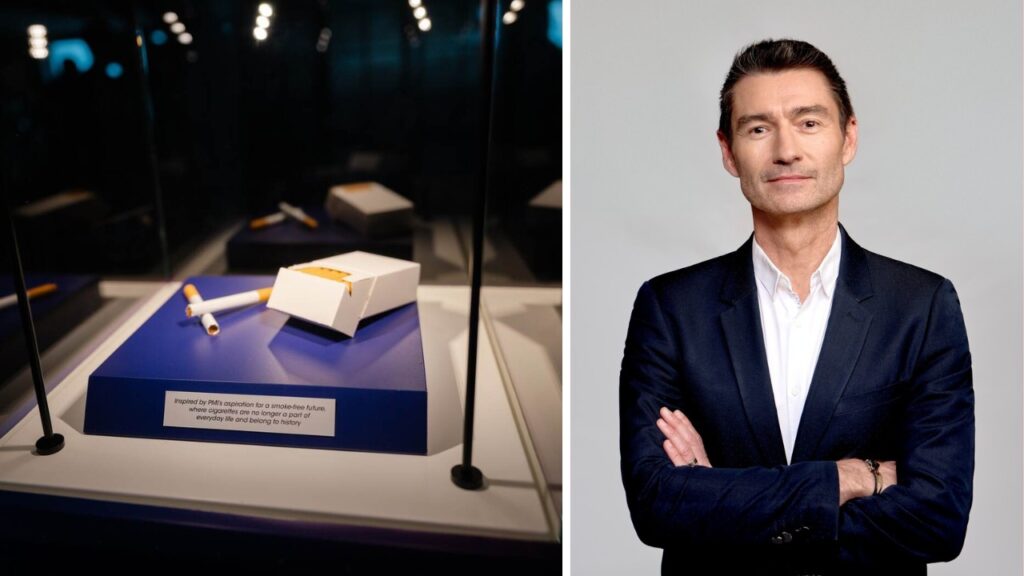
I spoke recently with Christophe Scarton, PMI’s VP Omnichannel Consumer Experience, about an extremely bold ambition: to make cigarettes museum artifacts rather than everyday products.
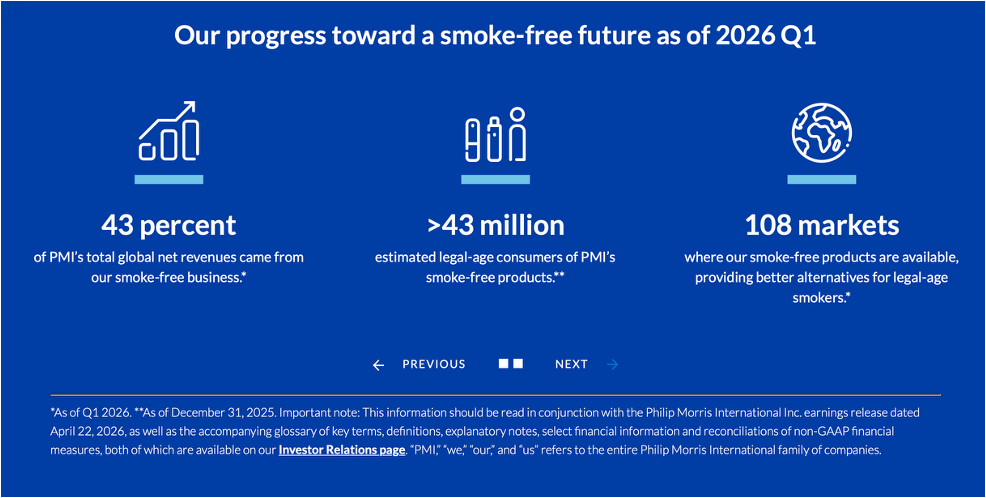
With over 40% of PMI’s total net revenues now coming from a multi-category portfolio of smoke-free alternatives, he argues that the transition gets accelerated, especially where travelers meet brands. He explains how airports are evolving from simple sales channels to powerful testbeds, where data, design and frontline engagement turn curiosity and exploration into genuine switching from cigarettes to science backed products that are less harmful alternatives in comparison to smoking. From omnichannel follow-up to AI-enabled insights and industry collaboration, this robust conversation asks whether travel retail can do more than just showcase new devices – and actually help bring the era of cigarettes to an end.
Peter Marshall (PM): Christophe, welcome to trunblocked.com. Now, PMI talks about a future without cigarettes and already generates more than 40% of its revenue from smoke-free products. When you watch consumers in the real world, especially in travel retail, what behaviour makes you think that this transition may potentially take longer than you expect?
Christophe Scarton (CS): I would not say that. I think it’s the other way around, I think it’s speeding up today. Over the past 10 years, we have made significant progress, both with regards to building awareness amongst legal-age smokers and nicotine users, as well as availability in several markets for our smoke-free products, where we see consumers are now more conscious of the importance of shifting to better alternatives to cigarette smoking. Global Travel Retail or GTR is a fantastic hub to help us provide information to adult nicotine consumers about our products. It’s a great opportunity as well to have a halo effect on the domestic markets about the availability of different alternatives.
On the one hand, while we have more than 43 million users of PMI’s smoke-free products as of Q1, 2026, there are still estimated to be more than 1 billion smokers globally. But on the other hand, our smoke-free business barely existed some 10 years ago in GTR. So I do believe that the trend is much more an acceleration of this shift to smoke- free products. That’s what we see both in terms of consumer research and in terms of market share.
PM: As you’ve said, there’s still huge market potential. 81% of the market are still smoking combustibles.
CS: Correct. But, first of all, to transform the industry, alongside educating legal age nicotine users about smoke-free alternatives, you must work on accessibility of the products. As of April 2026, PMIs smoke-free products are available in 108 markets, our work is still not done. We need to keep the push in opening more markets, making smoke-free products accessible, affordable and within reach of legal age nicotine users. And the combination of these elements will make the difference for the acceleration in adoption.
PM: Now airports are, of course, very powerful trial environments. From what you see in travel retail today, what is the conversion at airports? Are the environments there great vehicles for you to convert adult cigarette smokers to smoke-free products users or are they just experimenting when they walk in?
CS: In fact, you have both profiles. And for both profiles, exploration is important – and that’s what Global Travel retail enables. Again, it’s the way to expose our adult smokers to something which is completely new to them as well to eventually propose new moments of consumption. The use cases for consumption are different, for example typically nicotine pouches are allowed in a flight, while all of the other non-combustible products are not. So exploration and discovery is fundamentally important.

At the same time, we’ve also seen a different journey play out. Some travellers don’t switch immediately – but over the course of several visits, they take the time to understand what smoke-free products are, how they work, and what the benefits mean for them personally. That gradual discovery often leads them to convert, whether to heat-not-burn, e-vapor or nicotine pouches.
So both paths exist. But what’s clear is that travel retail plays a unique role in sparking experimentation and exploration, raising awareness and giving smokers the confidence to consider smoke-free alternatives as part of their journey.
PM: Across heated tobacco, vaping, and nicotine pouches, what’s the single consumer metric? If there is just one that you watch most closely to know whether smoke-free transition is actually working?
CS: It’s clearly the outcome in terms of the number of users of our smoke-free products. These numbers indicate legal age smokers who are dual users or have completely switched away from smoking. As of December 2025, there are 43 million users of PMI’s Smoke-Free Products alone. And the growth of this indicator is clearly showcasing the trend of the acceleration towards a smoke-free future – a future where cigarettes are obsolete.
PM: Today’s traveller moves across multifarious digital platforms, airport retail, and domestic stores. At what point in that journey does the real switching decision usually happen that you can identify, and what role should travel retail play in that moment?
CS: This is a tough one, Peter. It’s actually quite difficult to pinpoint exactly when someone makes the final decision to switch. What we tend to see is that it’s a combination of factors. First, there’s an initial level of intent – smokers starting to ask themselves, what are the best alternatives? That’s where GTR can play a really strong role, by opening that conversation and helping them discover the different options available.
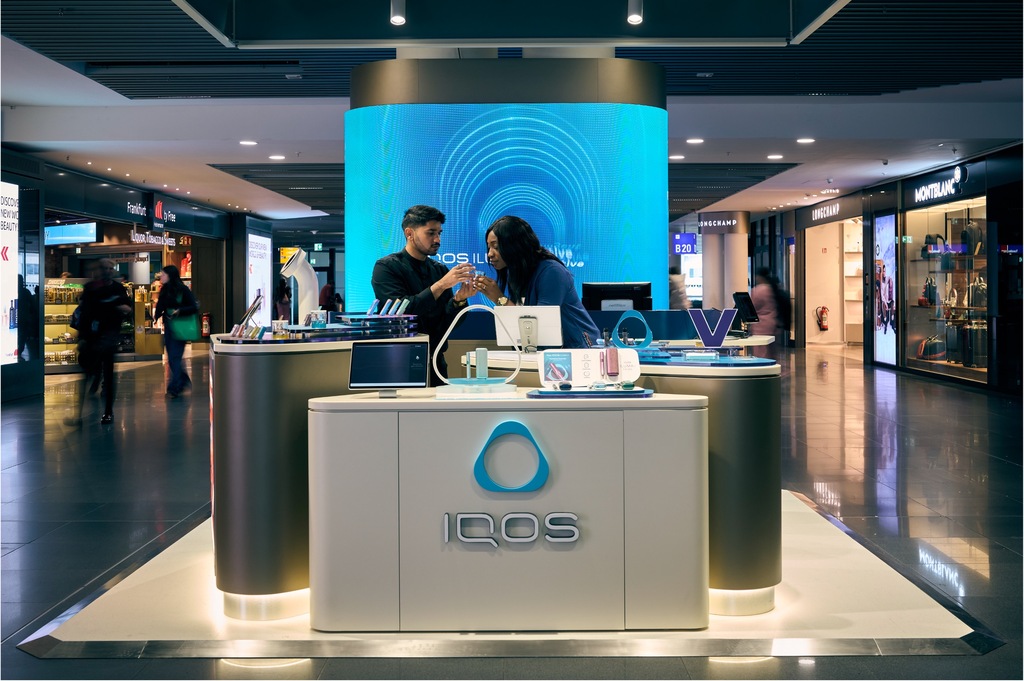
The second piece is what happens in those first few days of usage. That first week is critical – when consumers start integrating smoke-free products into their daily routines and really testing how it fits their lifestyle.
So GTR is very much at the beginning of that journey. And that’s exactly why we’re now focused on making the experience more seamless – not stopping at the airport but continuing the journey once they’re back in their home market.
PM: PMI has positioned itself as a digital and omnichannel pioneer in travel retail. Can you share one specific example where artificial intelligence or consumer data has changed what you thought you knew about traveller behaviour.
CS: Great question Peter. What’s really changing for us is the sheer volume of data that we now have, and how we use AI to make sense of it – to better understand our consumers, and to anticipate to some degree what they want. Let me give you a concrete example. In the past we relied heavily on panel data. Today, with access to near real-time insights, we can optimize flows much more dynamically and even act almost in the moment.
That means we can help consumers in their next best action – whether through our ambassadors in store or our frontliners on the ground. That simply wasn’t possible before. And the reality is, we’re still at the very beginning of this shift – the pace of acceleration is only increasing.

PM: But you expressed earlier that travel retail is, in itself, a cocoon. Yet you actually want to broaden that cocoon to incorporate a seamless experience at the point they actually decide to take their journey.
CS: Yes, completely correct. Today we look at the journey for our consumers more holistically – from the moment it starts, through GTR, and then into their home market. So, depending on where you are coming from and where you are going, our aim is to stay with you throughout that journey. When adult smokers arrive in GTR, they’ll be exposed to our latest smoke-free products, like IQOS ILUMA. And if the specific product they’re interested in isn’t available in their home market, we’ll guide them toward alternatives from our broader multi-category portfolio that are available there.

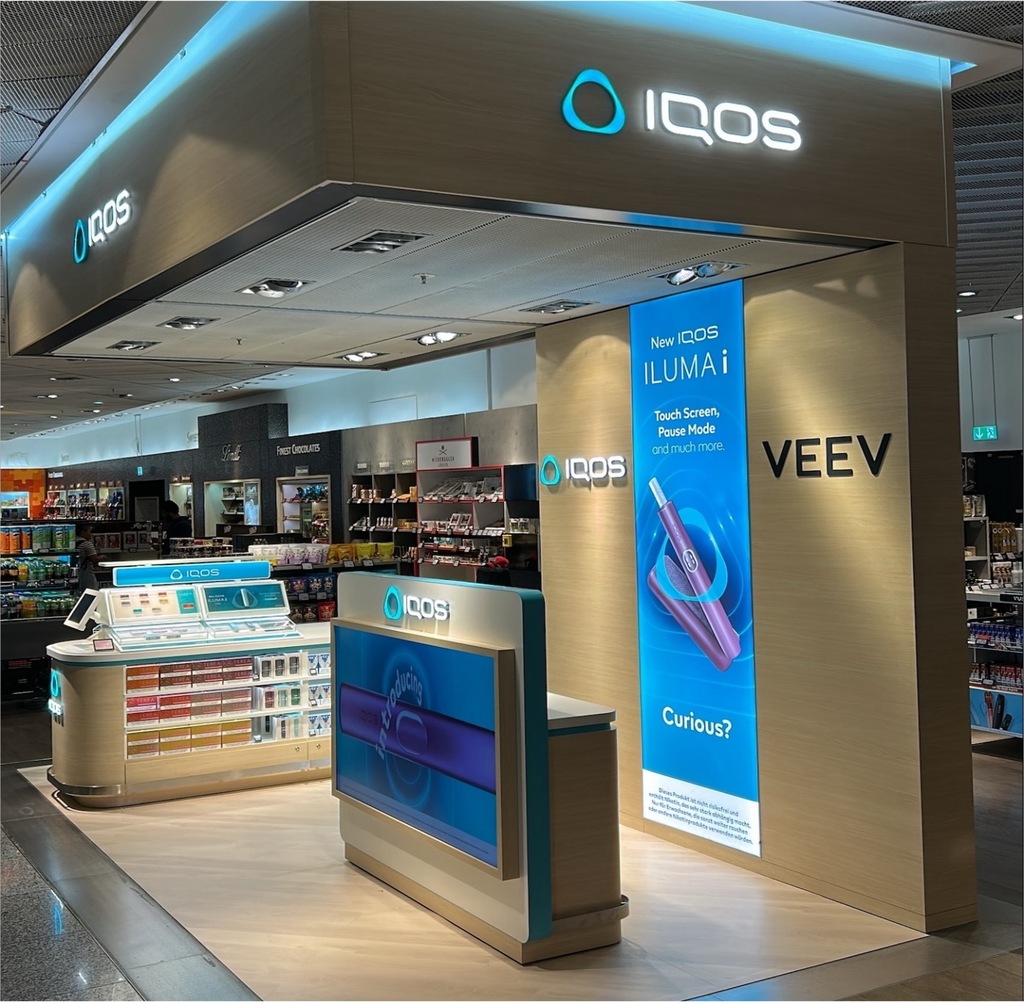
The idea is to continue that experience beyond the airport – through relevant, personalised engagement once the consumer is back home. Not in a way that feels intrusive – we’re not chasing people – but in a way that adds value. It’s really about the quality of interactions, not the quantity.
So you’re right – GTR is no longer a standalone touchpoint. We see it as an integral part of a broader B2B2C engagement ecosystem, and a powerful hub that can create a halo effect across markets.
PM: Now, travel retailers ultimately control the space and the shopper experience. My view, and I’ve said this many times, is that the dynamic in GTR is generally coming from the brands, not from the retailers. How is PMI convincing its retail partners to allocate more space, visibility, and education to smoke-free products? And if you could redesign the smoke free category in duty free from scratch, what would it look like?
CS: That’s another good question. I’ll start with the end in mind. I genuinely believe that we have helped accelerate the category.
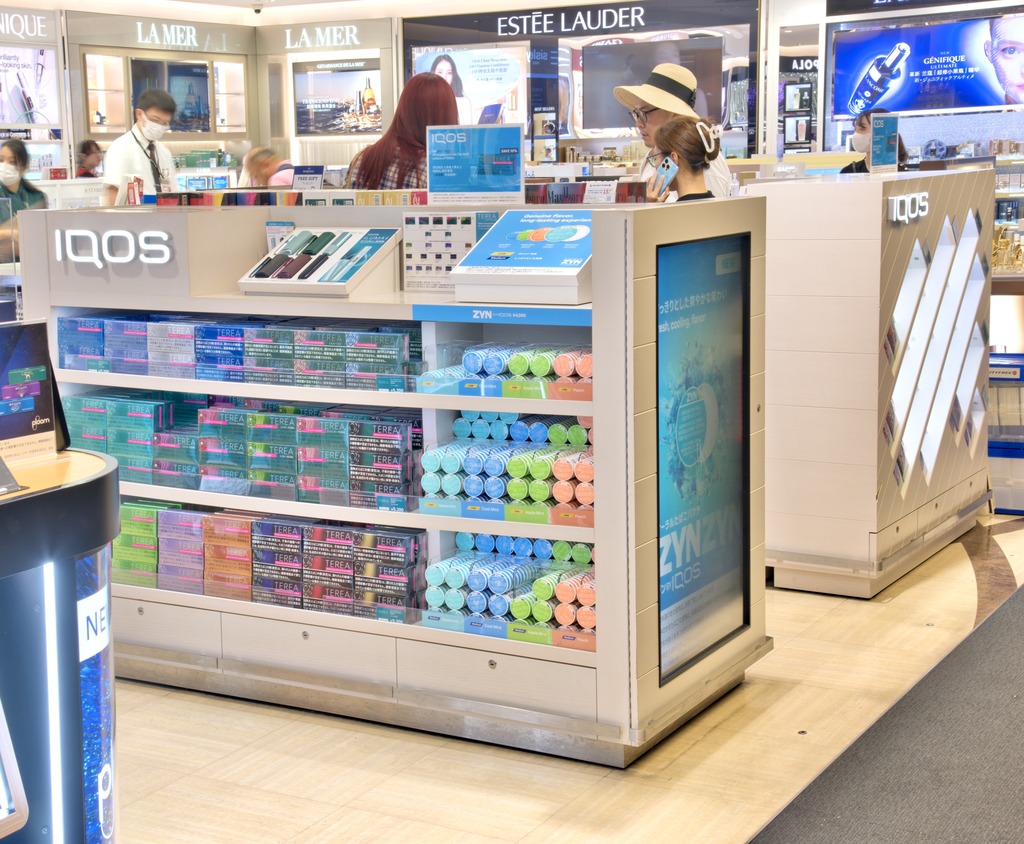
On the one side, we’ve improved the transactional experience, making it much easier for adult consumers to access our products, with smoother journeys and more relevant communication. ZYN is a good example of how we’ve done that.
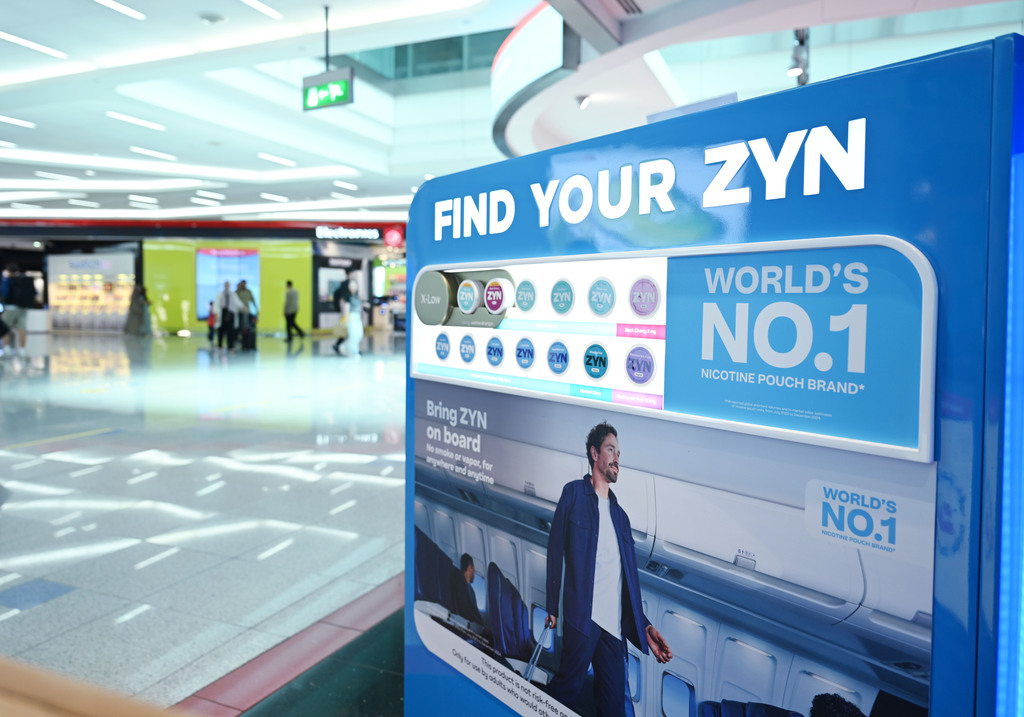

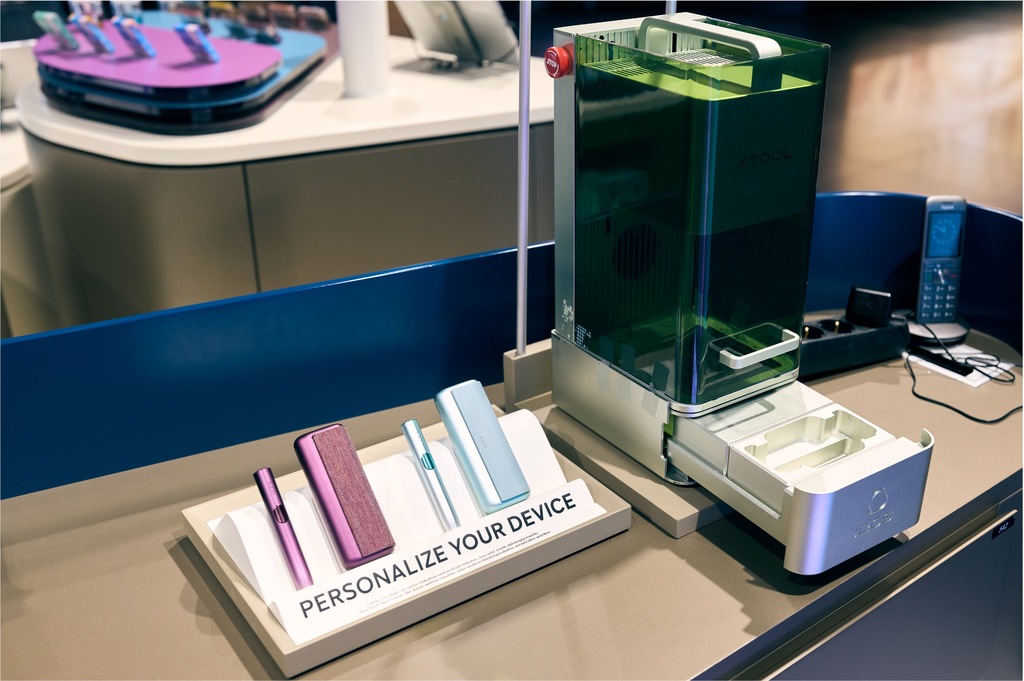
On the other side, we have invested a lot on the experiential side. That’s where we have really moved the needle, and where we have been able to convince the retailers to give us more space, more time and more investments as well. If you walk through an airport today, you’ll see our experiential approach. With our experiential formats, we are not only showcasing our brands but bringing the whole experience to life. From how consumers navigate across categories, to how they explore flavours across heated tobacco, vape, and oral product. It becomes something immersive and memorable for legal-age consumers.
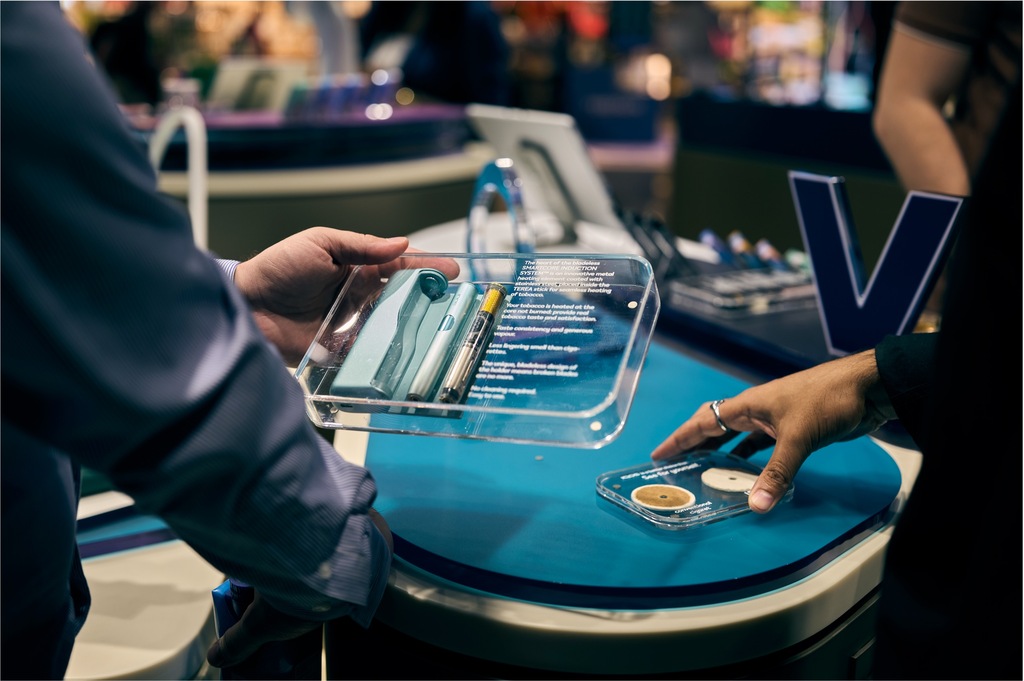
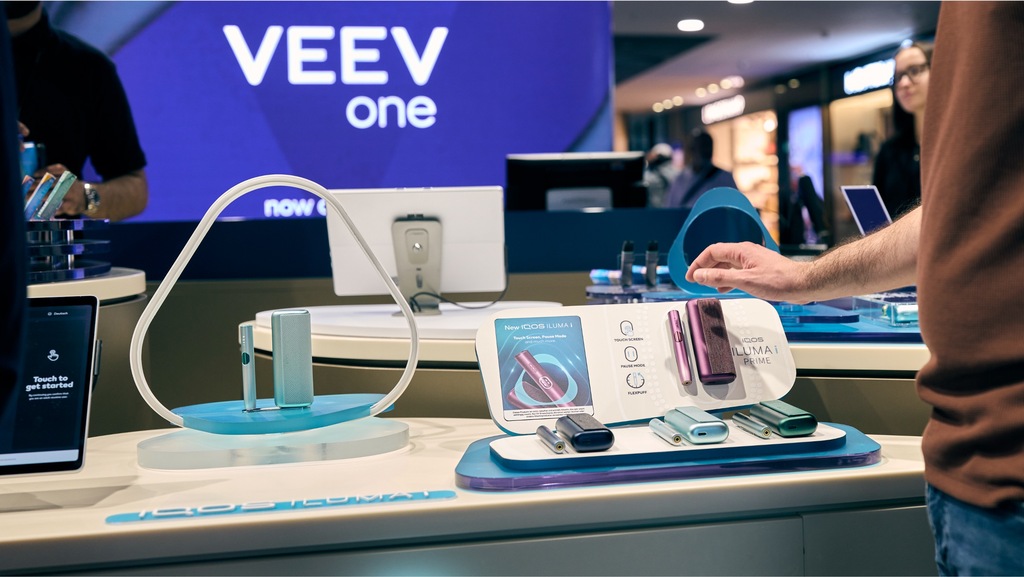
And that’s ultimately how we demonstrate value to retailers. Because these kinds of experiences are hard to replicate in other categories, and they create a much deeper understanding of what smoke-free products are – and the scale of the transformation we’re driving as an industry.


PM: OK, moving on. Airports, ferries and border shops are all crowded, mixed audience environments. What’s the biggest challenge for you in ensuring smoke-free products are marketed responsibly and only to adult smokers? How do you ensure that members of your team, for example, focus on helping existing smokers switch rather than simply selling more nicotine products?
CS: That’s a very good question. So first of all, protecting access to our products from unintended audiences is part of our PMI DNA. It is embedded in our marketing code. When we talk about youth access prevention, we address it holistically – from the design of the products, the choice of the flavours, the design of the devices, the packaging. And it extends to how we commercialise and engage with consumers.
Across every touchpoint – whether it’s paid media, social, e-commerce, or retail – we are very deliberate about reaching only legal-age consumers. Every action we take is guided by that principle. If you look specifically at GTR, it’s actually one of the most controlled environments we operate in. Purchases typically require both a boarding pass and ID, especially for regulated products. So, in many ways, it aligns very well with our responsible marketing practices.
At the same time, we continue to strengthen our safeguards. For example, we’re working with AI-based technologies like age estimation tools, combined with strong training for our frontline teams and retail partners.
It’s really this combination – technology, training, and strict standards – that helps us ensure we prevent access by unintended audiences while responsibly engaging adult consumers.
PM: So if the goal is to move smokers away from cigarettes, does the travel retail industry, do you think, need more collaboration across brands, retailers and manufacturers? And is there scope for more joint initiatives around education and harm reduction messaging?
CS: I am in agreement to what you said. From the beginning, we have been extremely clear – we are doing everything we can to accelerate the transformation of the industry, but we cannot do it alone. Tobacco Harm reduction information and understanding needs to be more widely spread. At the end of the day, it’s important that consumers clearly understand one fundamental point – the primary issue in relation to smoking comes from combustion.

Until there is a broader, shared understanding of that, it will remain difficult to align all parts of the ecosystem – retailers, brands, regulators, NGOs – behind a common voice. If we truly want to make a meaningful impact for smokers, and offer less harmful alternatives, we need to work together as a complete ecosystem. That’s absolutely critical. And that’s why category awareness is so important for us. We focus on communicating clearly on harm reduction, to help build a consistent level of understanding across stakeholders.
Importantly, everything we put forward is grounded in and substantiated by science. That’s what gives us confidence that, over time, we can move toward a more aligned and shared understanding of tobacco harm reduction.
PM: So just tying up the loose ends. If there’s one thing that manufacturers, including your competitors and PMI should be doing together that simply isn’t happening yet, what should it be?
CS: First of all, we need to align a few core messages that everyone understands deeply. At the heart of it is a simple point: the main issue we are addressing is combustion.
The moment you remove combustion – no smoke, no ash – you significantly reduce exposure to harmful and potentially harmful chemicals for adult nicotine consumers.
It’s a straightforward message, but a powerful one. And it’s exactly the kind of clarity we need the entire industry to consistently land.
PM: Last question, Christophe. If we come back in 10 years time, what would convince you that the smoke-free strategy genuinely worked? What one metric would you use – not just commercially – but in changing how people use nicotine?
CS: You know what, I have one dream on this one and it is aligned to what Jacek, who is the Group CEO of PMI has referenced several times. We truly believe that cigarettes belong in museums. So, I’m being direct. Before I retire, and hopefully that’s still a long way to go – I want to see the end of commercialisation of cigarettes by Philip Morris in key markets. And I genuinely believe we can make it happen.


To subscribe free, please enter your email address: