Ricola CEO Thomas P. Meier: “We’re More Than a Cough Drop Brand”


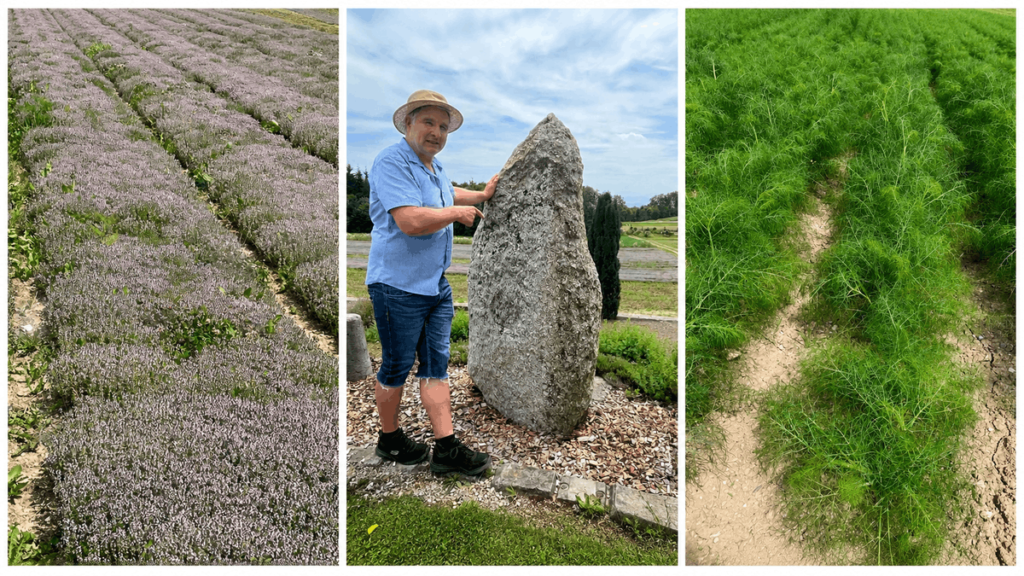
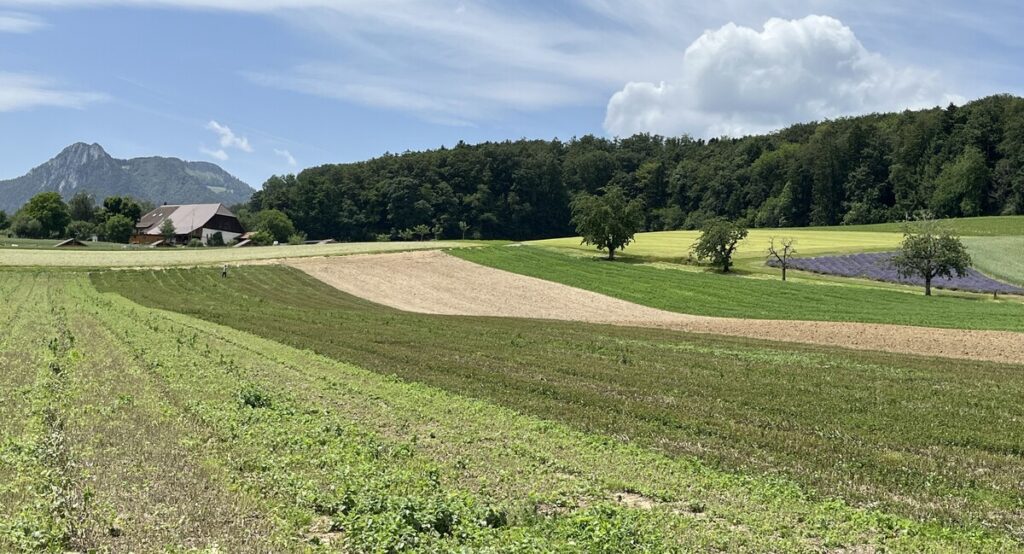
Nestled among the rolling hills of Switzerland’s Basel-Landschaft region, Ricola has built one of the world’s most recognisable confectionery and wellness brands on a deceptively simple foundation: a blend of 13 Swiss alpine herbs cultivated by local farmers and transformed into the iconic lozenges sold in 45 countries.
Yet behind the familiar yellow packs lies a company in transition. Following record revenues in 2023 and continued growth in a challenging market, Ricola is expanding beyond its traditional throat-care roots into broader wellness occasions while remaining firmly committed to the Swiss heritage and values that have defined the brand for generations.
During a recent visit to Ricola’s headquarters and herb cultivation sites in Switzerland, TRunblocked’s Colleen Morgan sat down with CEO Thomas P. Meier to discuss the company’s growth strategy, the lessons learned since the pandemic, the opportunities emerging across Asia, and why he believes Ricola’s future depends as much on culture and people as it does on products.

Colleen Morgan (CM): Ricola delivered record revenues in 2023 and continued to grow in a challenging environment in 2024. Looking back at the years since the pandemic, what lessons have had the biggest influence on Ricola’s Growth Strategy 2030?
Thomas P. Meier (TPM): We know Ricola has very strong brand equity built over decades through consistent communication, distinctive packaging and a clear focus on what we call the herbal relief segment – dry throats, coughs and hoarseness. That’s where we come from.
Since COVID – the first black swan for us – the world has become much more volatile with inflation, tariffs, wars and supply chain disruptions forcing the need to adapt. Until 2019, we were a very stable and traditional business. We had to change – we had to come out stronger.

And what we changed first was our way of working. Rather than focusing solely on products or processes, we focused on people and culture. We needed to become more agile, more resilient and better equipped to deal with uncertainty. That meant empowering local markets more than ever before and building teams that can adapt quickly.
We’re finding a new balance between what consumers increasingly want and what Ricola stands for. That’s led to innovations such as our Drink Cubes, with more to come.

Ricola is more than just a cough drop. We’ve always been more. If we were only a cough drop brand, the business wouldn’t be as successful as it is today.
We’ve also had to rethink how we communicate. In the past you needed a good product, strong distribution and TV advertising – and the music started playing. That doesn’t work anymore. We’ve had to explore new channels, from influencers and brand ambassadors to experiential activations.
What excites me is that Ricola remains a family-owned company with the ability to take a long-term view while still moving quickly. There’s a lot of heart and soul in this business, and passion and pride remain at the centre of our culture.
CM: As a non-family CEO leading a family-owned business, how do you balance long-term stewardship with the commercial realities of running a global brand?
TPM: That’s exactly what attracted me to Ricola seven years ago. The owners have a very strong set of values and a clear vision for what the brand should represent. We have great alignment on values and strategy – that’s where the owners are closely involved. The execution they leave to me and my team.
Our challenge is balancing what consumers, customers and markets want with what Ricola stands for. I thrive on that. The question is always: how do we address a consumer need in a way that is uniquely Ricola?
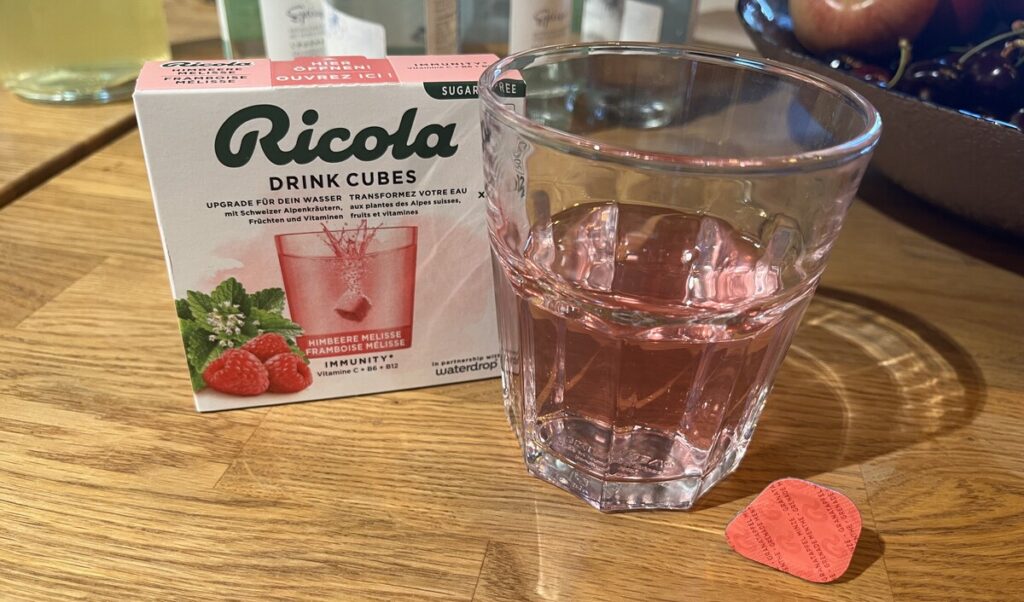
Our new Drink Cubes are a good example. They’re natural, herbal, sustainable and unmistakably Ricola. That’s the kind of innovation we’re looking for as we meet evolving consumer needs.
CM: Since 2020, what have been the most important changes Ricola has made to become more resilient in an increasingly unpredictable world?
TPM: One important change has been strengthening our supply chain. We continue to produce our semi-finished drops in Switzerland, close to our herb-growing regions, but we’ve expanded our packing operations in Malaysia and the USA. That gives us greater flexibility, improves responsiveness to local markets and reduces complexity in a high-cost manufacturing environment.

We’ve also invested heavily in our people. Stability is a big word in Switzerland, but today’s world is increasingly unstable. That’s why training, adaptability and new skills have become so important.
A third priority has been diversification. New categories such as Drink Cubes are part of that, but so is empowering local markets. Historically, many family businesses operated from the centre and told markets what to do. We’ve shifted that mindset. Why should we in Switzerland know better than teams in South Korea or Brazil what consumers in those markets need? If you have the right people, with the right skills and the same passion for the brand, they should help shape the business.
Throughout the pandemic our mantra was simple: let’s come out stronger. COVID was a good teacher. It forced us to rethink not only our supply chains but also our marketing, innovation and ways of working. Since then, we’ve had inflation, geopolitical tensions, supply chain disruptions, tariffs and currency fluctuations. If you’re not open, agile and willing to experiment, that kind of volatility will eventually harm the business.
The challenge is adapting while staying true to what Ricola stands for. That’s what makes the job so interesting.
CM: Ricola’s Swiss production model is central to the brand’s identity. As demand grows in the US and Asia, how do you balance maintaining that heritage with the need for greater supply-chain flexibility?
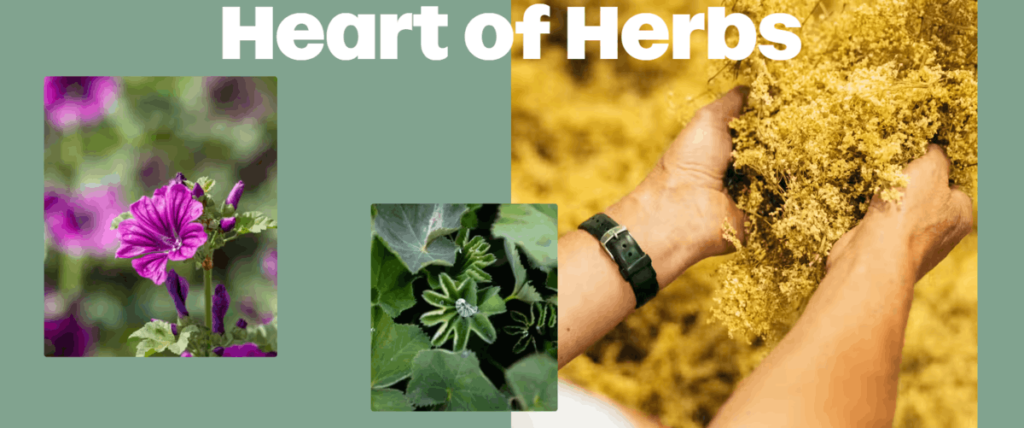
TPM: The herbs will always come from Switzerland. They are cultivated by our farmers in the Swiss Alps and we will always produce our herbal extracts here. That is not negotiable.
We also manufacture our hard drops in Switzerland and we intend to keep it that way.

Where we have introduced flexibility is in packaging and selected product formats. We already operate packing hubs in key regions, and our Drink Cubes, for example, are made with Swiss alpine herbs but produced by a specialist partner in southern Germany.
The heart of the brand will not change. The basic herbal mixture that sits at the core of every Ricola product is Swiss and will remain Swiss. That’s what makes us unique. People joke about Himalayan herbs or Rocky Mountain herbs. I always say: no, that’s not an option.
CM: US tariffs have created fresh challenges for many international brands. How is Ricola navigating those pressures and planning for the next 12 to 18 months?
TPM: I tell our teams it’s like the weather. You can’t change the weather, so you take an umbrella, put on a coat and do the best you can. That’s how we approach tariffs. You adapt to the situation.
Fortunately, tariff levels have come down from where they were at their peak. They created significant pressure for us. We don’t like them, but we can live with them.
Part of the answer is the work we’ve already done on supply chains. We can pack in the US for the US market, which gives us greater flexibility. We also implemented price increases to offset part of the additional cost.
The reality is that nobody knows how long these situations will last. The key is being prepared and remaining flexible enough to respond quickly.
CM: Ricola occupies a unique space between confectionery, wellness and throat care. As you expand into new formats such as Drink Cubes, how do you ensure the brand remains rooted in its Swiss herbal heritage?
TPM: I wouldn’t say these innovations change the brand. I would say they enhance it. Any new category we enter must strengthen what Ricola stands for. We are very careful about where we expand and how we expand.
Drink Cubes are still in a pilot phase. We’ve launched them in a limited number of markets and channels, and we’ll evaluate their future potential carefully. It’s perfectly fine if a consumer discovers Ricola through Drink Cubes rather than a traditional lozenge, provided every product reinforces the brand.
We are proud of our products, but the brand is really the queen.
CM: Asia has become one of Ricola’s most important growth markets. Why are you so optimistic about the region, and how does the new Malaysia hub support your ambitions there?
TPM: Asia is clearly one of our biggest growth opportunities. The region has delivered strong growth in recent years, but what gives me confidence is a broader consumer trend. Increasingly, people are looking for ways to improve their well-being and reconnect with nature.
Having lived and worked in Asia for many years, I’ve seen first-hand the pressures many consumers face. In cities such as Shanghai, commuting can take two hours each way. People are looking for moments of wellness and recovery in their daily lives.
That’s where Ricola has a role to play.

Our global ‘Breathe in Nature’ campaign is all about creating a small moment of pause during a busy day. That message resonates strongly with consumers across Asia. Asian consumers are increasingly proud of local brands and local culture. The days when international brands could simply arrive and expect success are over.
Our opportunity is to carve out a distinctive niche as a Swiss alpine herbal brand that supports everyday well-being. The Malaysia hub helps us do that by improving proximity, responsiveness and efficiency across the region.
The health, wellness and longevity trend is real and long term. One principle we talk about a lot is being consumer-back rather than inside-out. We start by understanding what consumers want and then work backwards to determine whether Ricola can play a meaningful role in their lives.
That mindset has become deeply embedded in the business and is one reason we’re confident about the long-term opportunity.
CM: Sustainability is central to Ricola’s identity. What is the company’s biggest environmental challenge today?
TPM: The low-hanging fruits have been picked. Today sustainability is about detailed, incremental improvements. The steps are getting smaller; the work is getting harder and expectations continue to rise.
We view sustainability as a journey, not a destination. We don’t seek perfection; we seek continuous improvement.

A recent milestone was our B Corp recertification under much tougher standards. The certification itself is important, but the biggest impact has been internal. B Corp forced us to measure, document and prove everything we do. We always believed we were a sustainable company, but now we can prove it.
CM: When you reach the end of this decade, what will tell you that Ricola’s Growth Strategy 2030 has succeeded?
TPM: Three things. First, that Asia has become a meaningful third pillar of our business. Today it accounts for less than 10% of sales and it needs to become significantly larger.
Second, that we’ve successfully established ourselves in new categories beyond lozenges. They don’t need to be huge by then, but they need to be sustainable businesses with long-term potential.
And third, that consumers around the world see Ricola as more than a herbal cough drop. Success will mean being recognised as a trusted companion for everyday well-being.
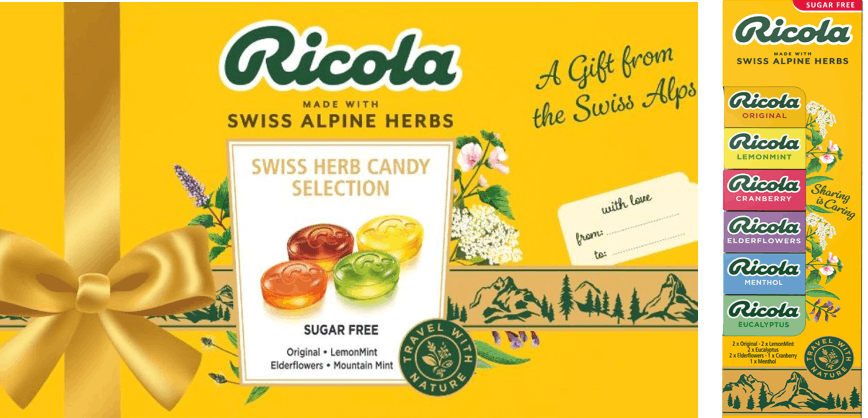
CM: Ricola has just launched two new travel retail exclusive products – the Ricola Tower Sharing Pack Assorted Sugar Free Herb Drops and the Ricola Gift Set Assorted Sugar Free Herb Drops. What else is in store for the brand this year?
TPM: What can I say, other than watch this space…


To subscribe free, please enter your email address: