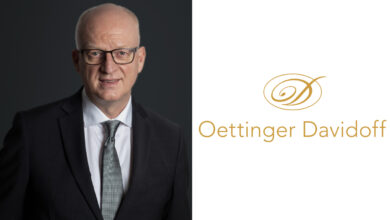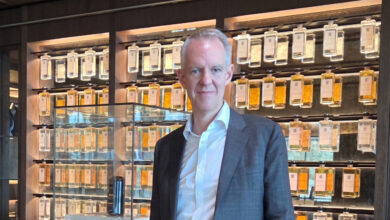


Beyond Duty Free: The Milanese Art of Turning Terminals into Experiences. Luigi Battuello, Commercial Director, SEA Milan Airports, Interviewed.


At Trunblocked.com, we like to think of airports not just as pieces of critical infrastructure – but as living, breathing marketplaces of ideas, experiences and, yes, irresistible temptations. In this feature, we invite you to walk side by side with SEA Milan Airports’ Chief Commercial Officer, Luigi Battuello, as he takes us on an insider’s tour of Malpensa and Linate Airports. From the first glimpse of Dior and Louis Vuitton after security to the bustle of a reimagined Italian street market, from transformed food courts that now feel more like gourmet “piazzas” to lounges defined by quiet, understated elegance rather than showy excess.
Over the course of our conversation, we explore how Milan’s airports are reshaping spend per passenger, rebalancing luxury and affordability, and using joint ventures, data and “phygital” concepts to move far faster than the traditional airport playbook allows. This is a story about design and dwell time, about risk and flexibility, about the courage to rip up old layouts and convert square metres into something more meaningful than just rent. Above all, it’s a story of how an airport has been turned into a true expression of Milanese spirit – a place where every traveller, from time-poor business flyer to long-haul luxury shopper, can find their own version of la dolce vita before they ever reach the gate
It’s a great interview, with some spectacular visuals.
Peter Marshall (PM): Welcome to trunblocked.com, Luigi. Let’s get straight into our conversation. Before we get into strategy, could you start by taking us on a guided tour of Malpensa as you see it today? So, if I’m a typical departing passenger, just talk us through the journey from kerb to gate, as it were. The key moments you have deliberately designed, the commercial pressure points you’re most proud of and where you still see real opportunities to grow and do better.
Luigi Battuello (LB): Thank you, Peter. If I had to look at Malpensa from a passenger standpoint and I had to tell them about what the vision was, I would start from the journey after they go through security. What we wanted by building the commercial area in Malpensa was to give them a real flavour of Milan and Italy. And at the same time we didn’t want to forget that, at the end, it’s our second largest airport in Italy and it’s our intercontinental gateway.
So, after the passengers go through security, the first thing they see is the two superb boutiques implemented by Dior and Louis Vuitton.. It took a long time to convince them to join Malpensa and their presence now is a testament of the good job that we have delivered here.
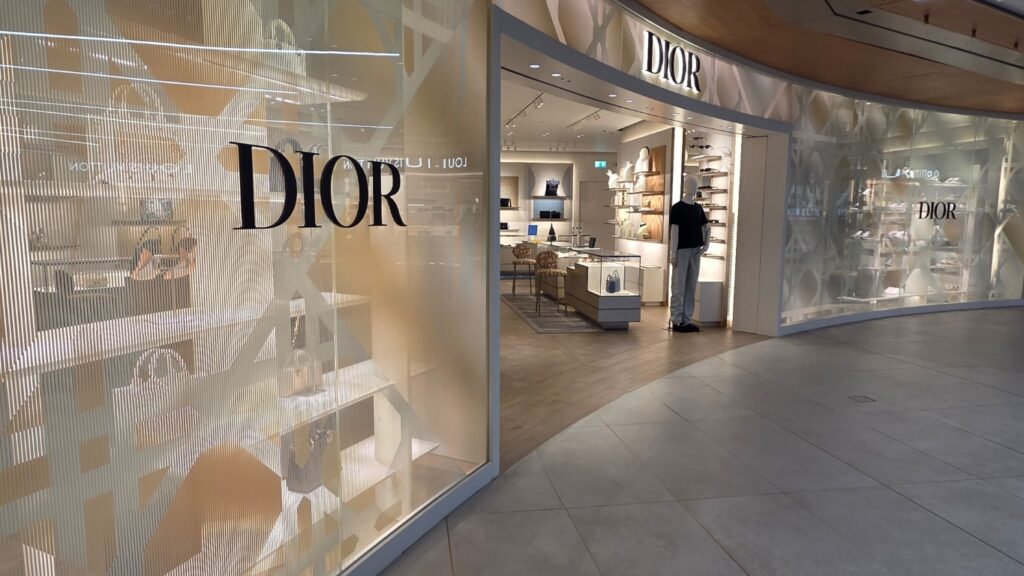

Passengers will then go through to the main duty free shop that we have in Malpensa. You may have noticed Peter, that we have just one large duty free store. This was the result of the job that we did with convincing Customs to allow all passengers – regardless of their destinations – to allow the duty free shop in the middle of the terminal.


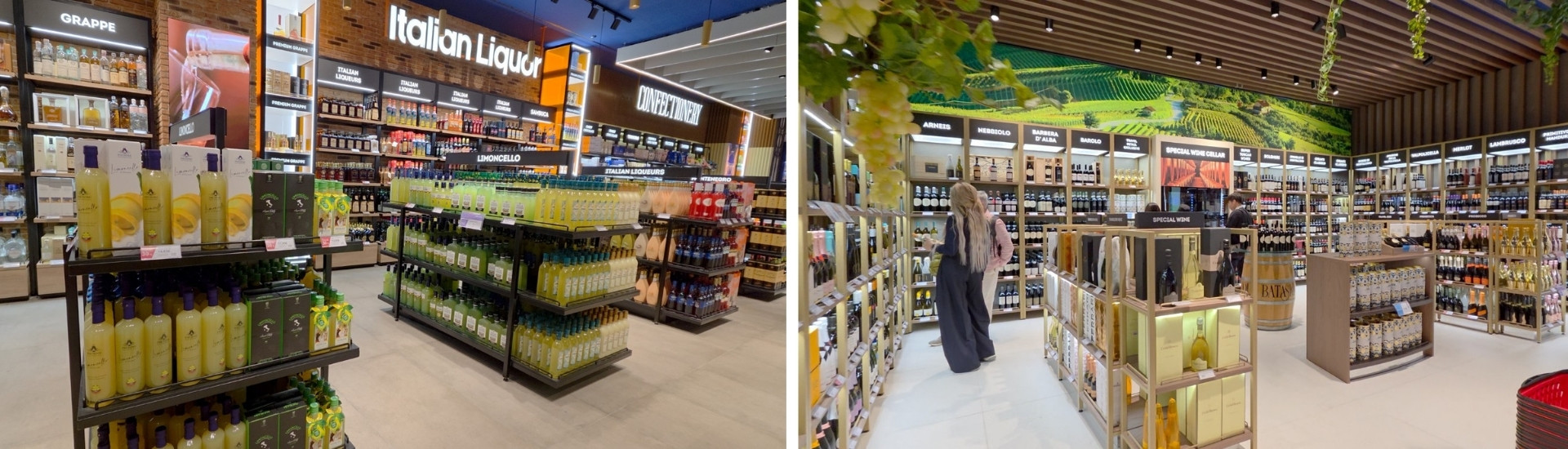


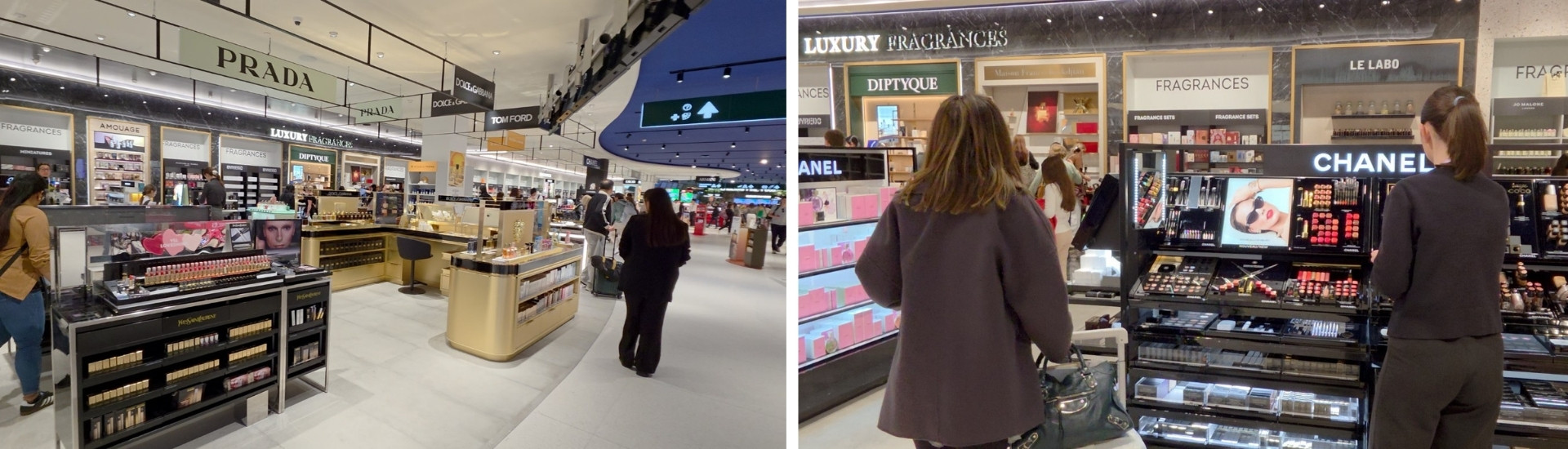
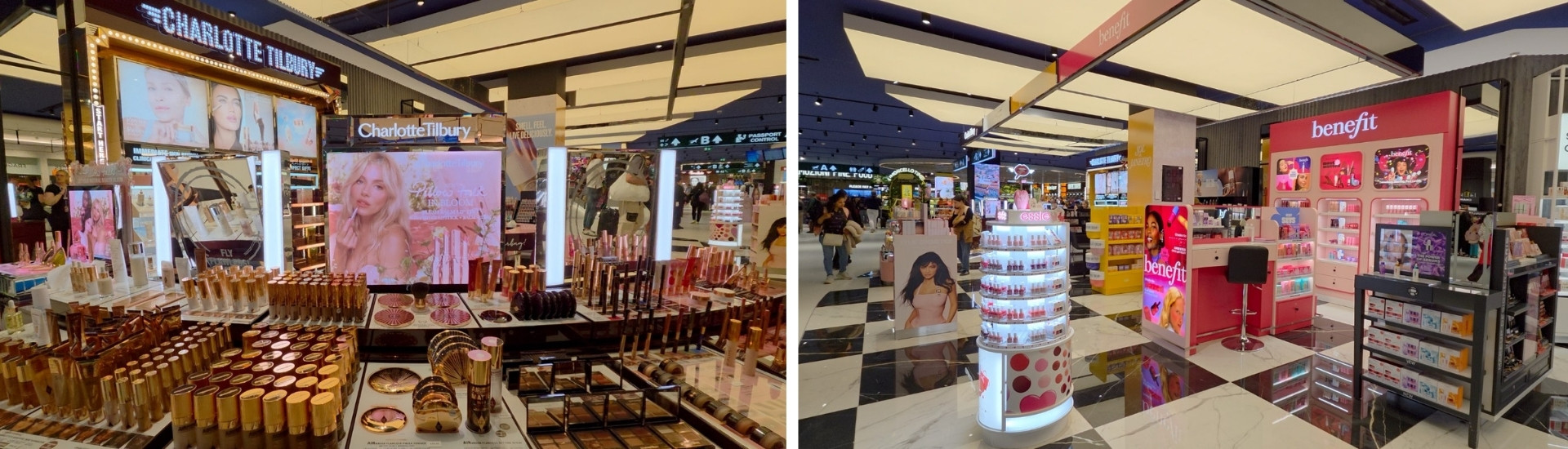


So the vision was that the duty free store could be, you know, the main area where the passengers could find the best of the traditional duty free offer. But we also wanted to make the store really reflective of Milan.
PM: If I can interrupt, you walk in and the store really does have the wow factor. It’s the lighting, the colour, the freshness, particularly in the promotions areas and, of course, the standout Campari Milano bar. On the right hand side there is the Italian wine section and a great delicatessen. It’s the second week of April, which is literally just 10 days after this brand new duty free area has been opened. And yes, it’s still work in progress – the fragrance area still needs to be completed.


But it is an extraordinary development and it’s easy to navigate. You’ve got plenty of space to walk in and signage and sight lines are good. You know, you don’t feel constrained by space.
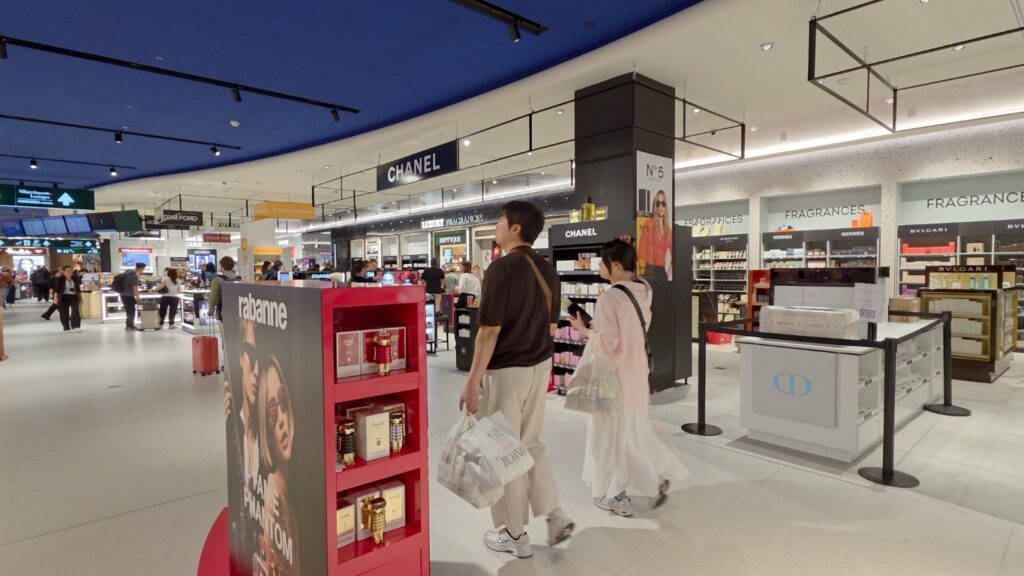
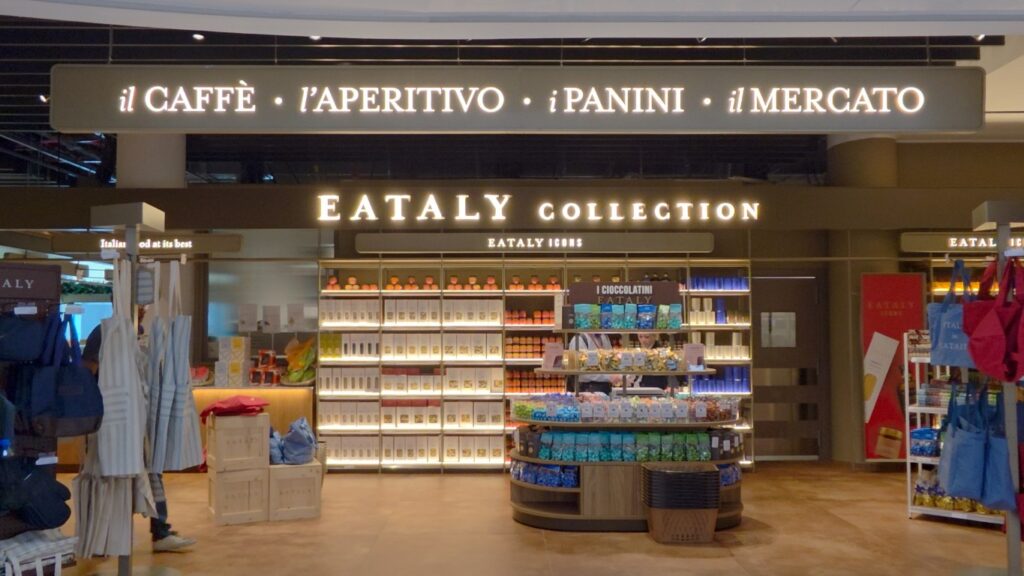
LB: Yes, the signage is very effective, very powerful. What I didn’t say so far is that we planned that duty free shop together with Avolta who, as you know, are part of our JV and we worked a lot on it. And one of the things I’m proudest of the most is the fact that the shop is very open and it looks much larger than it was. Avolta were very good in zoning the various areas. For example, the food and delicatessen section and it feels like a real Italian street market. Just look at the floor, look at the furnishings, it looks like a typical Italian market. I think that they did a really good job there.
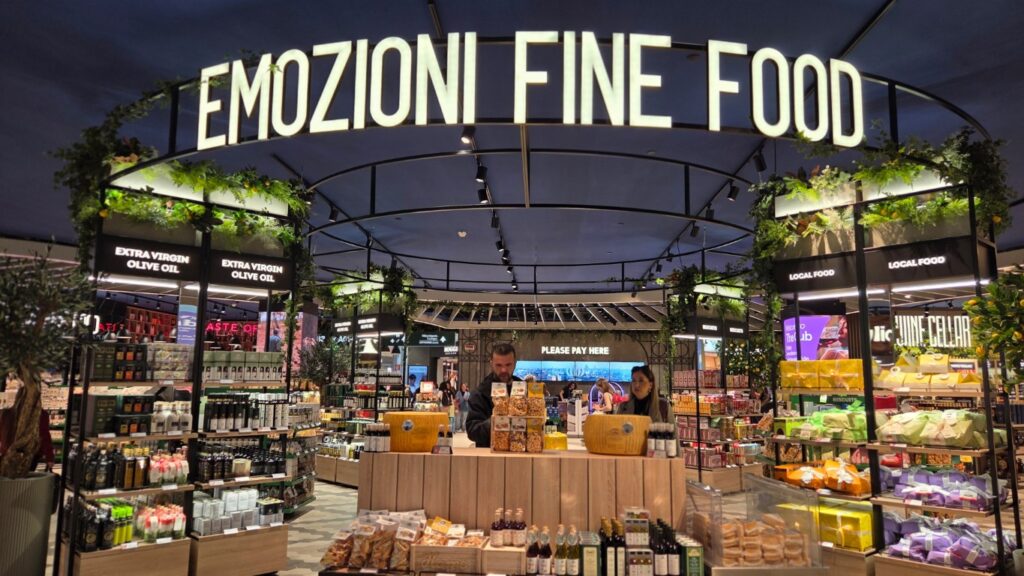


PM: I must say I like the wine area as well. It does actually represent, no pun intended, the spirit of Milan in many respects. You’ve got some local brands there, brands you can’t anywhere else. And there are Prosecco and Spumanti sections and a really good selection of red wines.


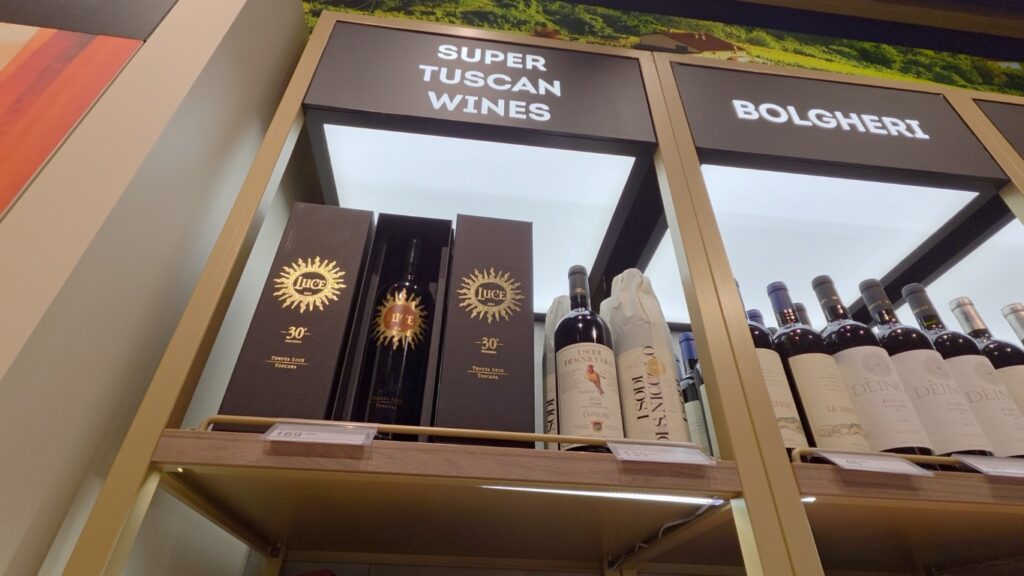
Interestingly, I was surprised to see the amount of space allocated to spirits. It was less than I thought. And tobacco, too. But I know there’s a good reason for that.
LB: Yes, there’s a reason because next year there will be an expansion of the retail footprint here in Malpensa with additional 20 shops.There will be a new core duty free shop past the passport control, and that will be the only area where we will be selling tobacco, plus more spirits. That new shop will enable us to create space in the main duty free area, you know, to offer passengers, even Schengen passengers, additional and different proposals.
PM: So, in the main duty free area, passengers have a choice. They can turn right or left. Left takes you to the luxury avenue, to a food court and then passport control. Right goes into more shops and the Schengen area.
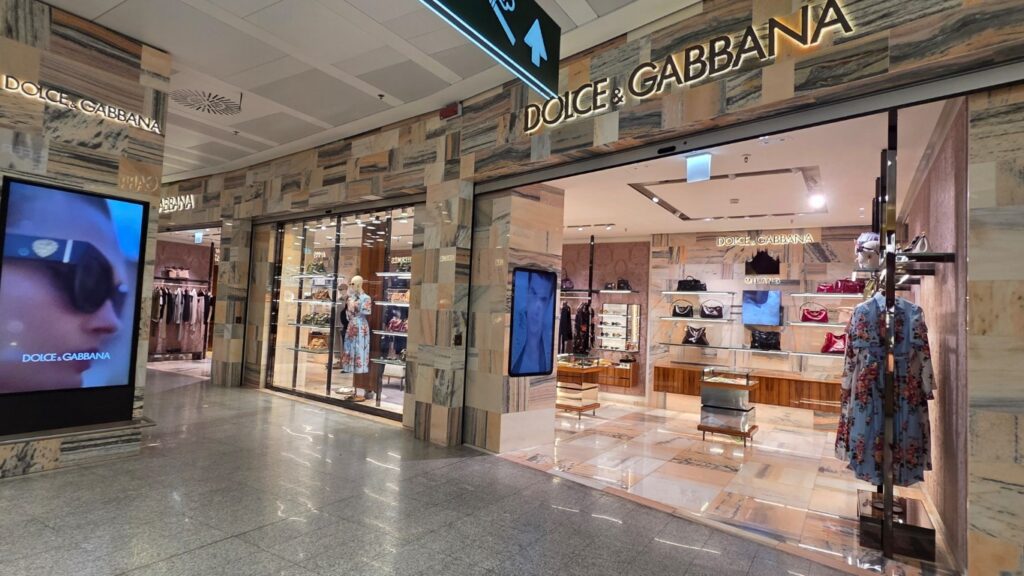
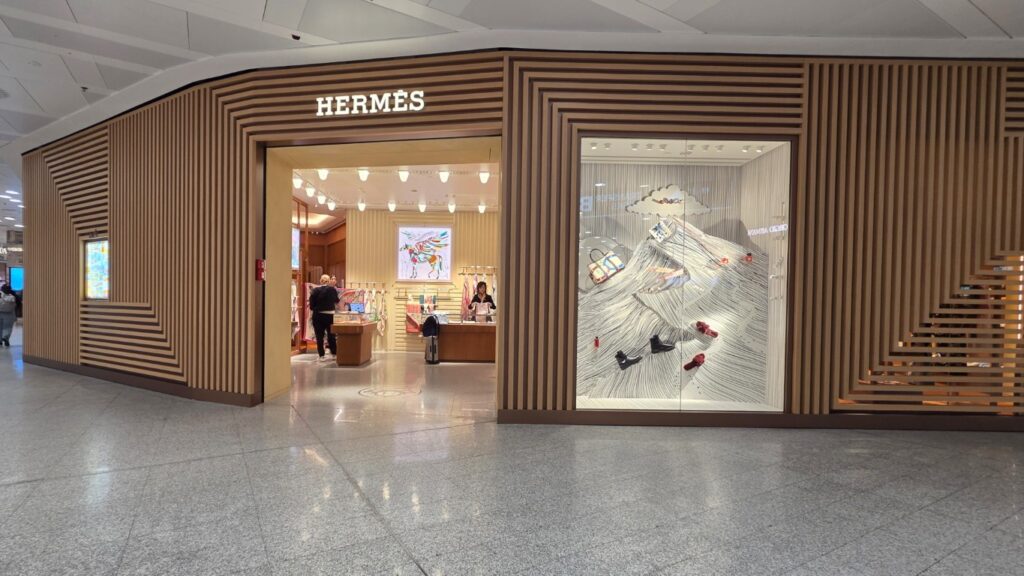
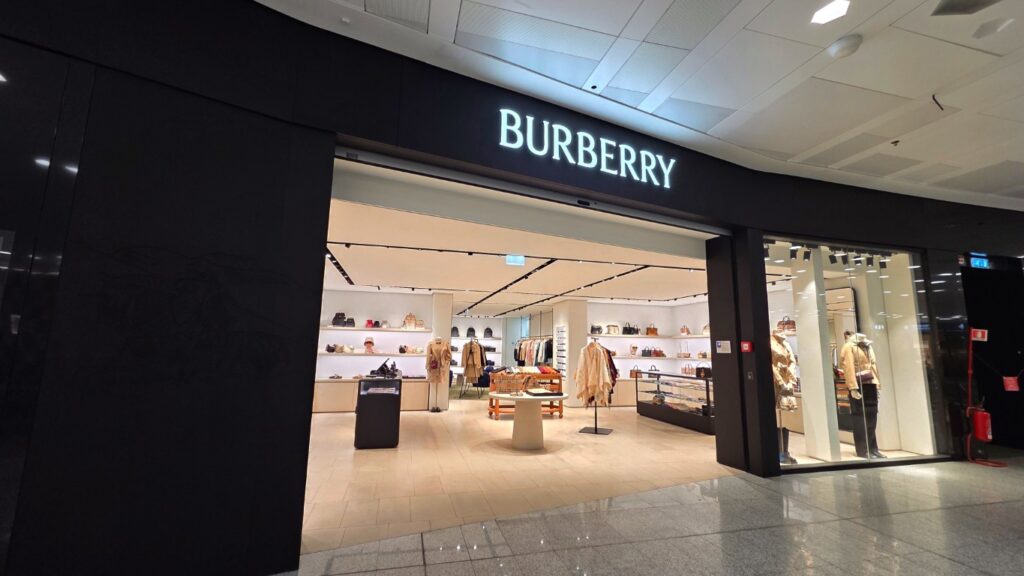
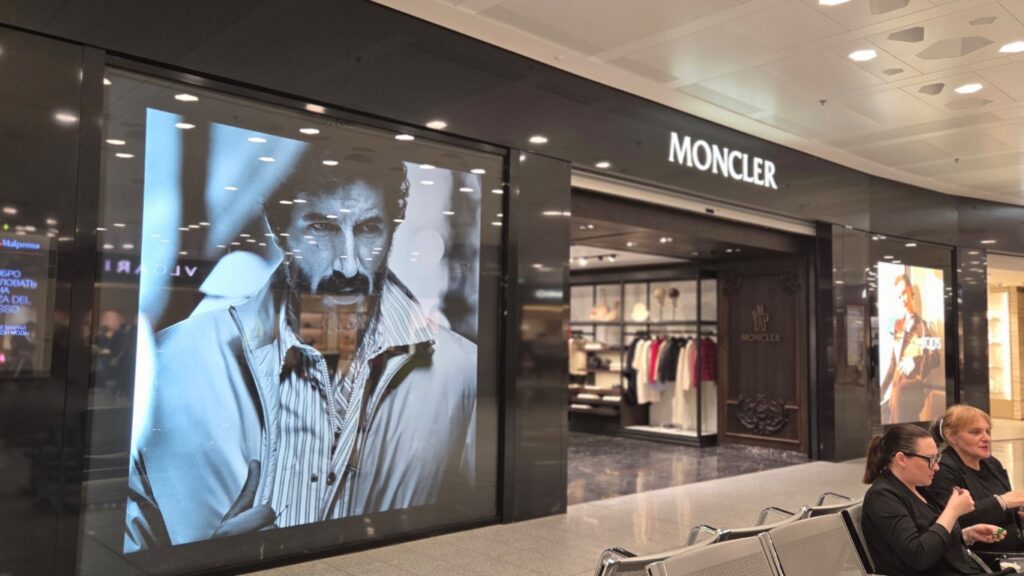
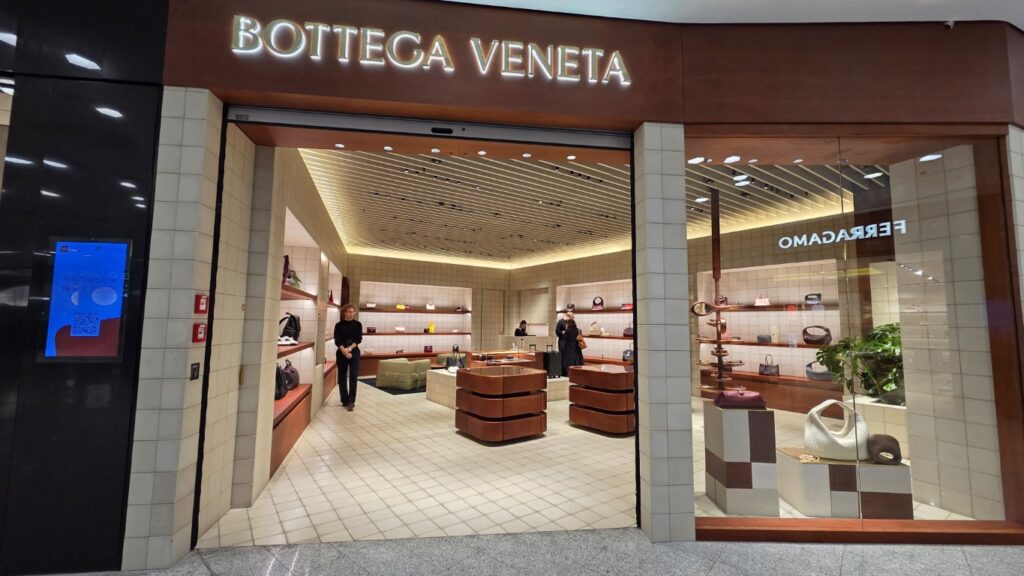
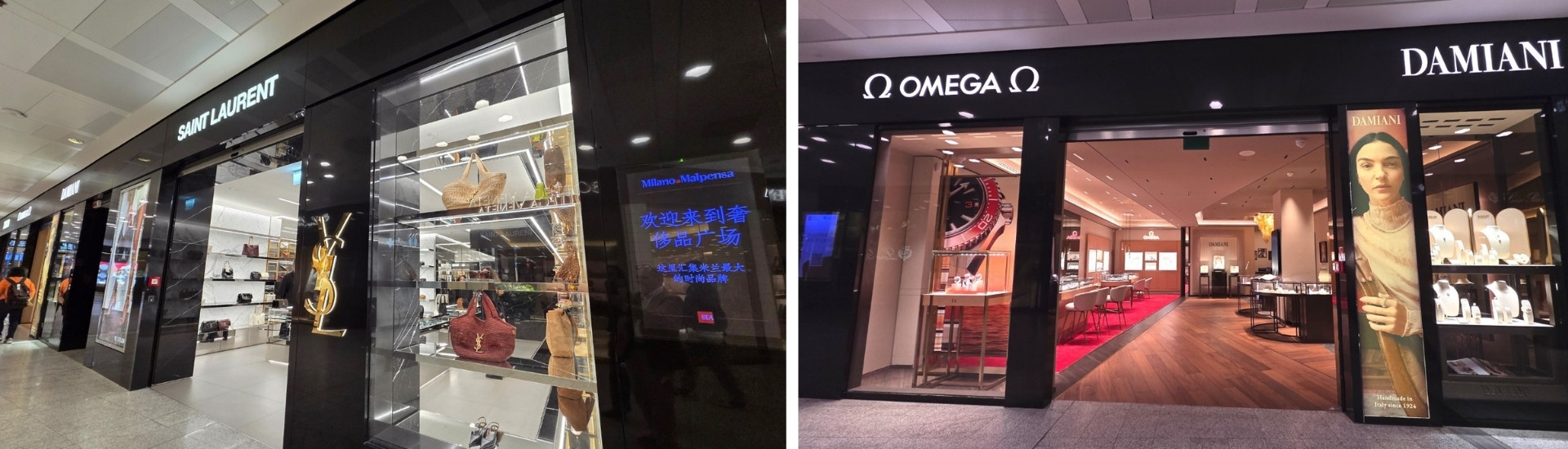
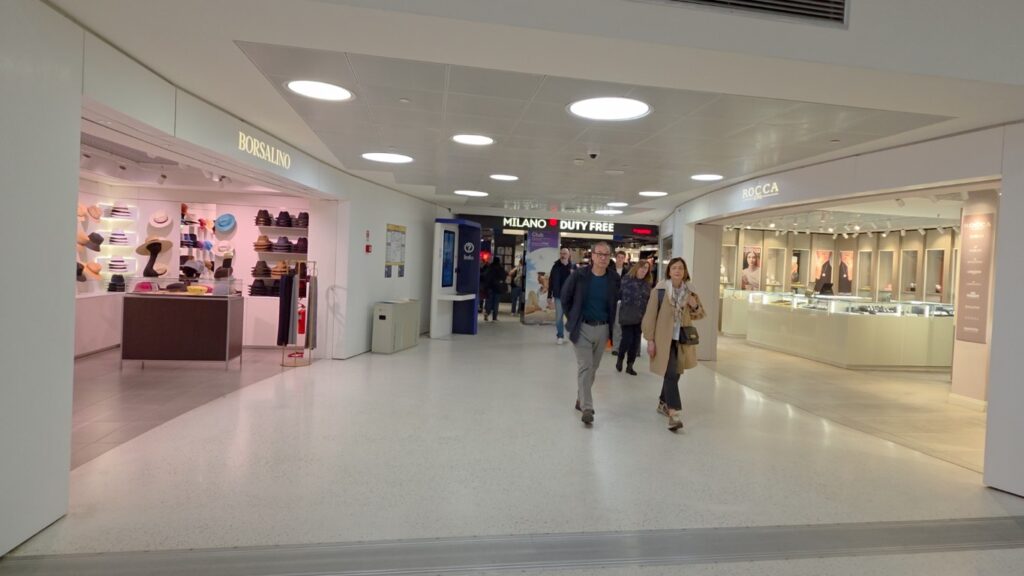
LB: Yes, going to the left offers the main luxury stores to Asian and American passengers, passengers etc. I don’t know if you noticed, Peter, amongst the luxury brands, I would say 90% of them are Italian also in this case. We wanted this. And, of course, we have a waiting list of many other international brands.
But we wanted to give essentially to the main Italian luxury brands the chance to trade here in Malpensa. And the gallery is quite large and we call that Piazza del Lusso. And this is based on my previous experience with Joey Kaempfer, the founder of MacArthur Glen. He was sort of obsessed with this vision of creating in the villages he was managing, luxury piazzas and sports piazza. So in my DNA there was this idea of clustering the areas to better cater to the different audiences. So that’s what we have in the airport and why we called it Piazza del Lusso.






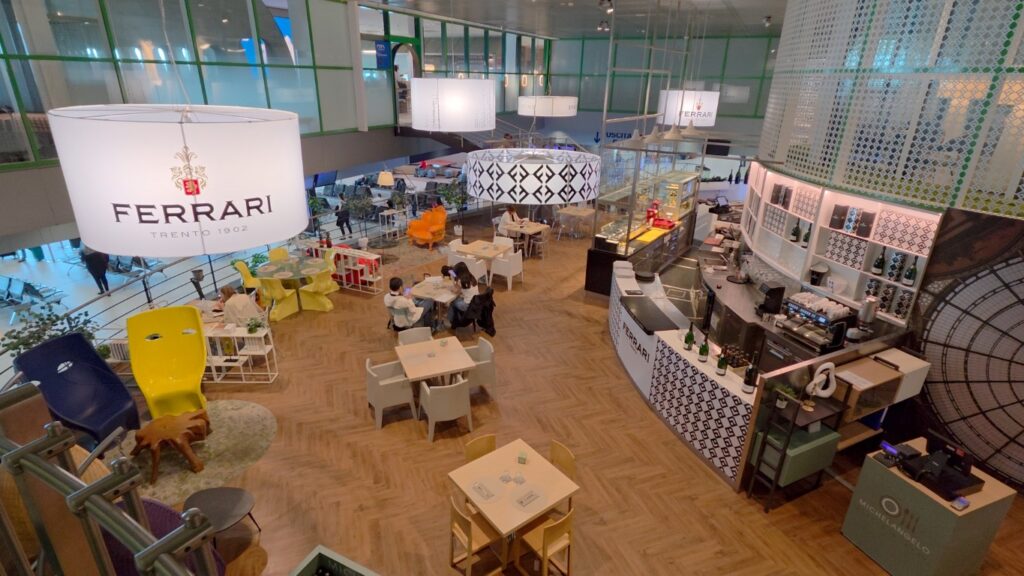
And right after that there’s the Piazza del Gusto with a lot of Italian, I would say quite a premium food offer. There you will also find Briciole, the bakery concept, the Ferrari sparkling bar as well as Antonino Cannavacciuolo and Davide Oldani, two of the major Michelin star chefs here in Italy. And then you have, you know, the quite high- end concept of Fratelli Desideri. Between them, they are able to serve Michelin star dishes in 15 minutes.

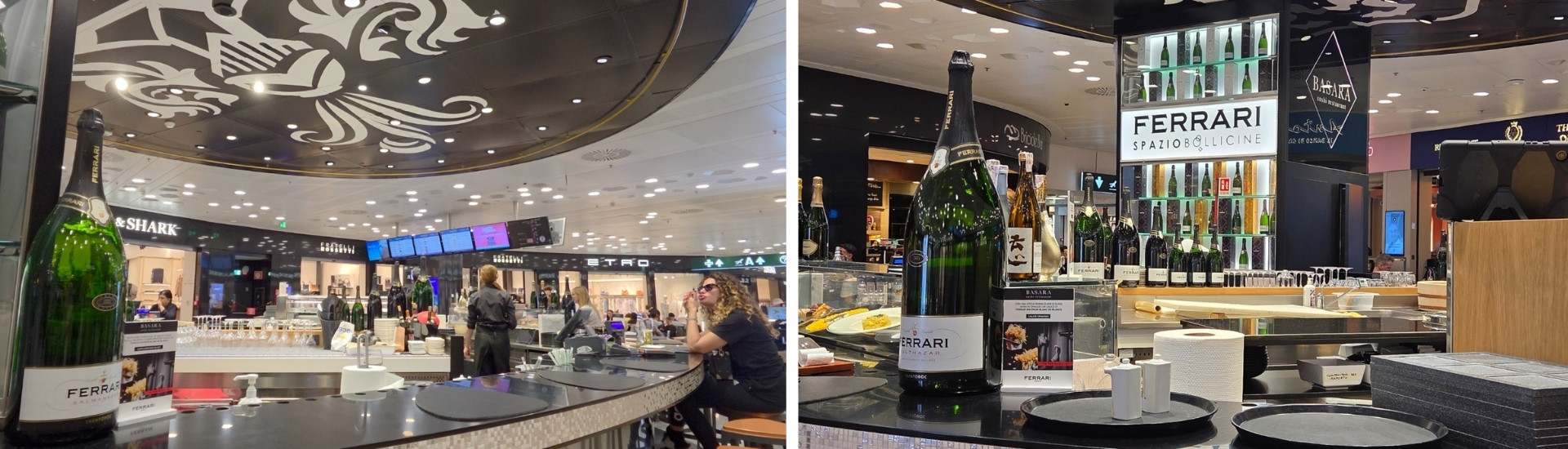
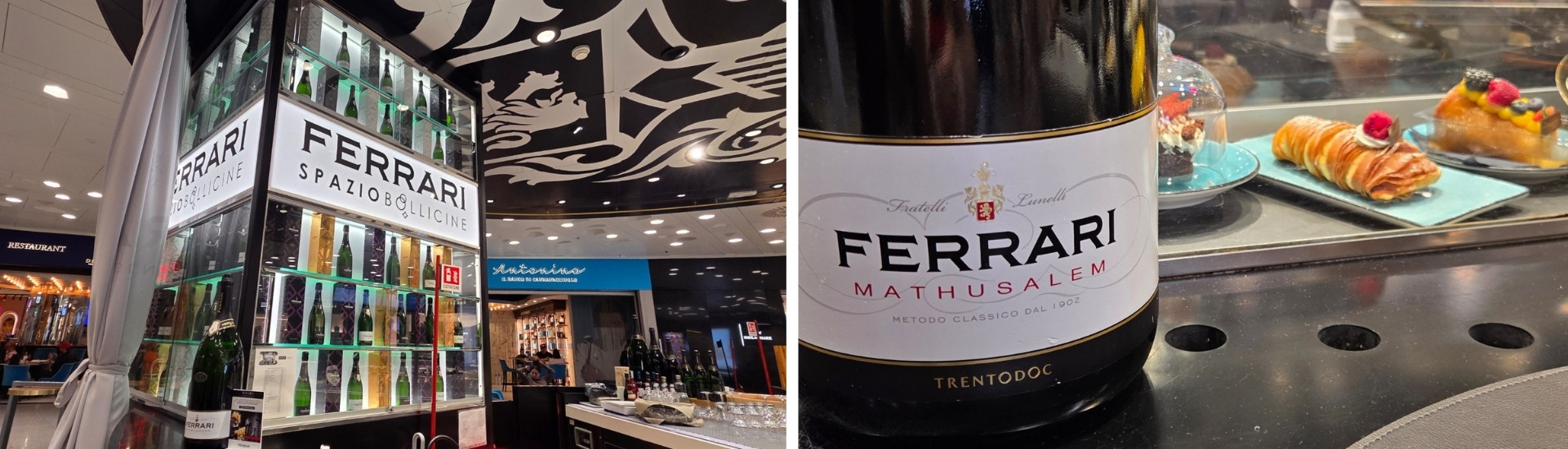
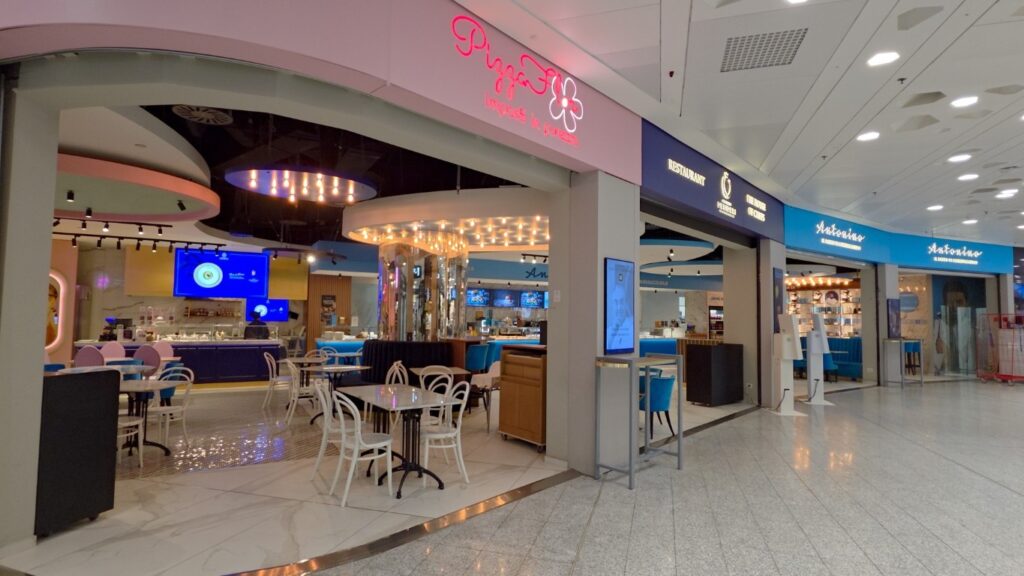
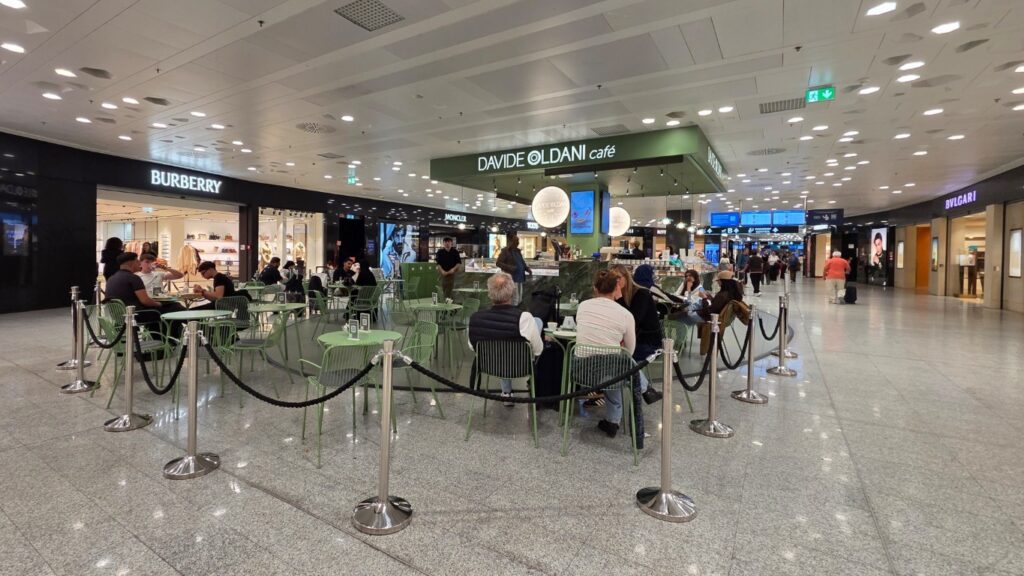

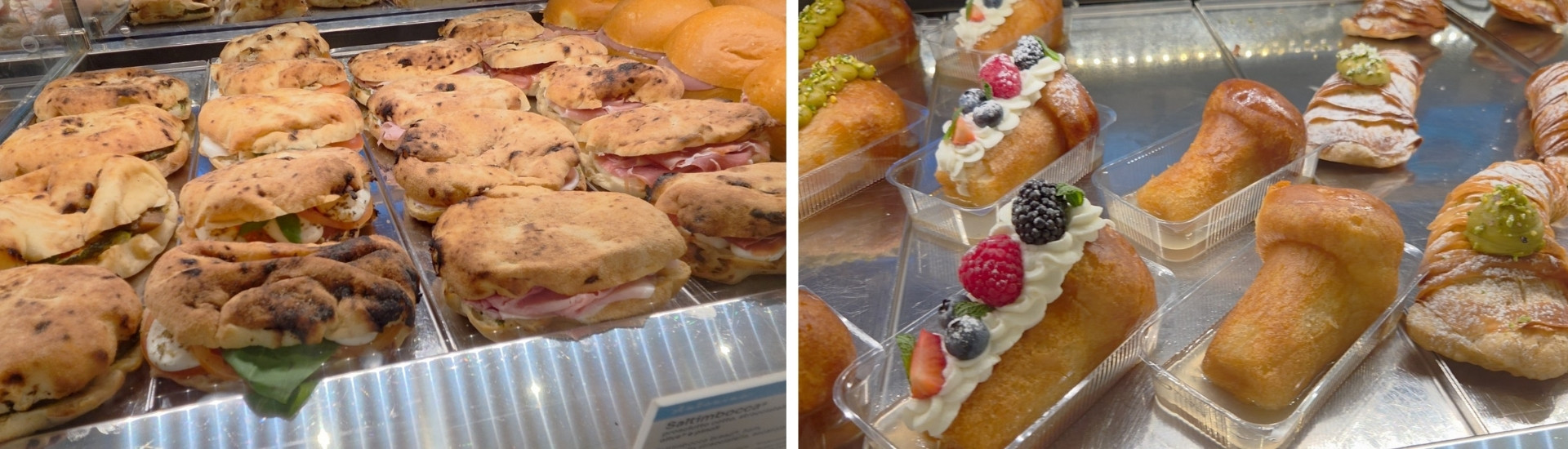
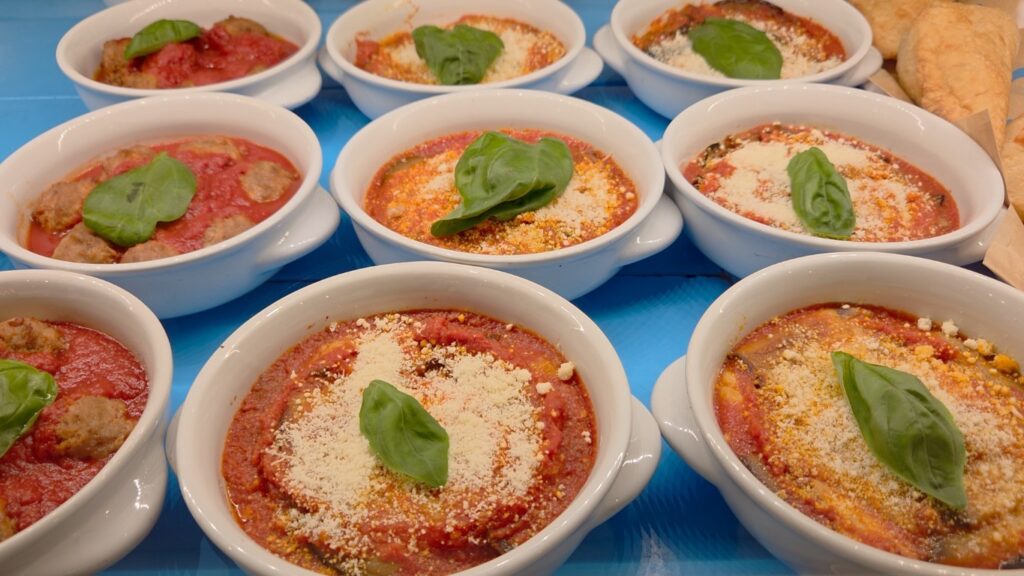
PM: Well, it’s not really a food court, is it, it’s more of a hybrid retail zone, as it is mixed with the likes of other luxury brands like Etro, Fratelli Rosetti and Hours of Passion.


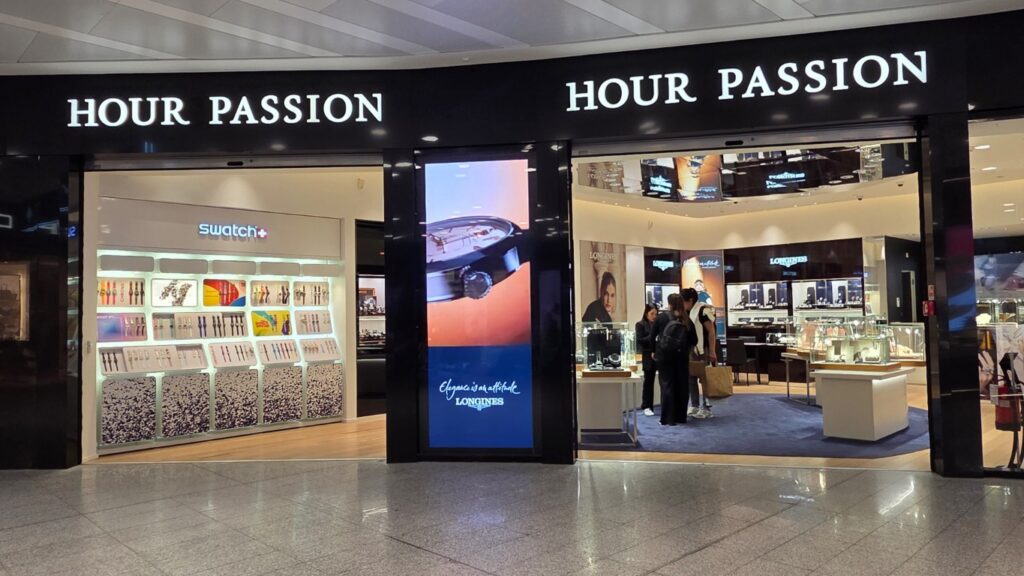
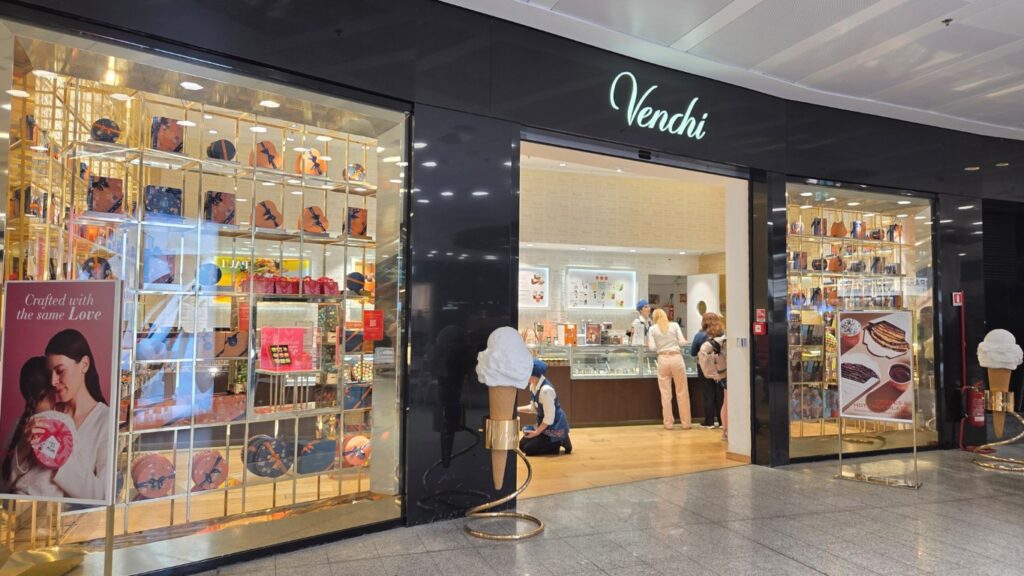
LB: Yes, we want to improve this area as sometimes passengers get anxious because they want to go through passport control. That’s why we are now investing in it as we want to give better opportunities for further consumption and relaxation.
PM: Let’s move back now and turn to the right side of the main duty free area.
LB: Yes, there we have the Schengen area, where all the shops are really affordable. There you may find accessories, Yamamay, and a selection of other Italian brands. Even a dog shop. And what makes this gallery interesting is that, you know, it is available for all passengers. Take the Chinese passengers, for example, if they are not interested in the high end luxury offer, they can go to the Schengen area because they have an average 151 minutes dwell time here. And, based on our experience, some 30% to 40% of the turnover generated in the Schengen area actually comes from non-Schengen passengers and vice versa, too.
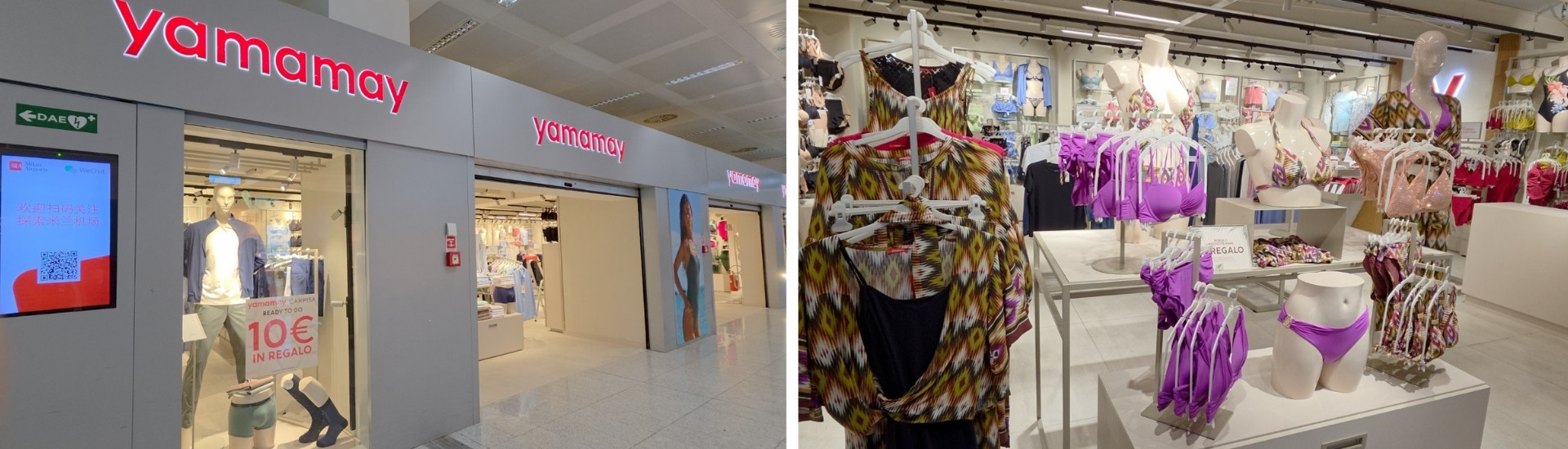
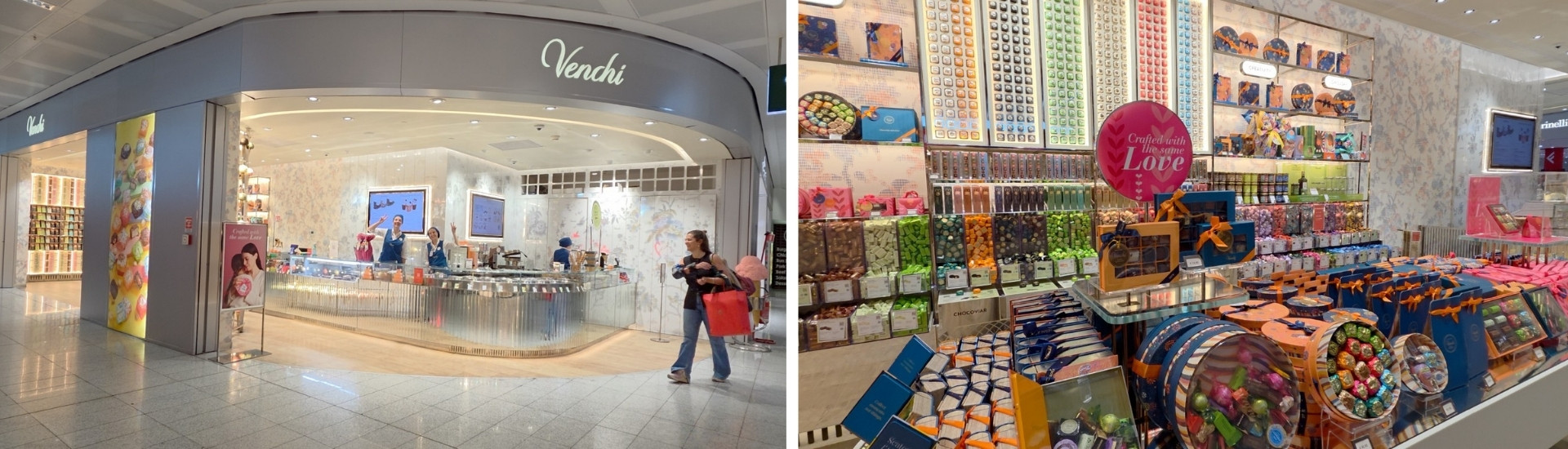
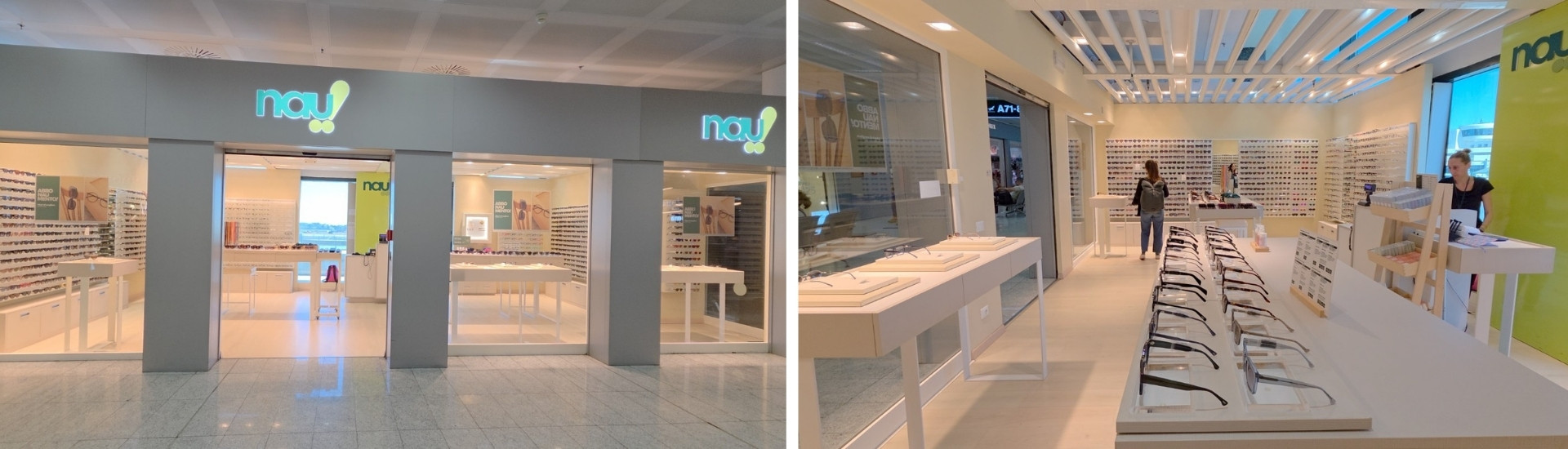
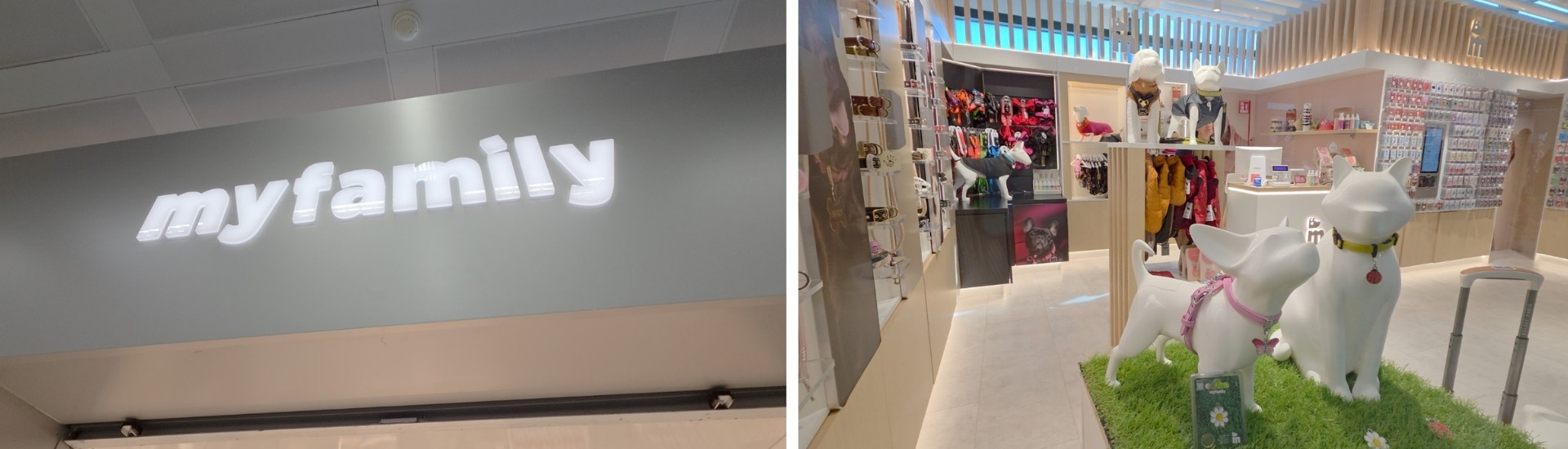
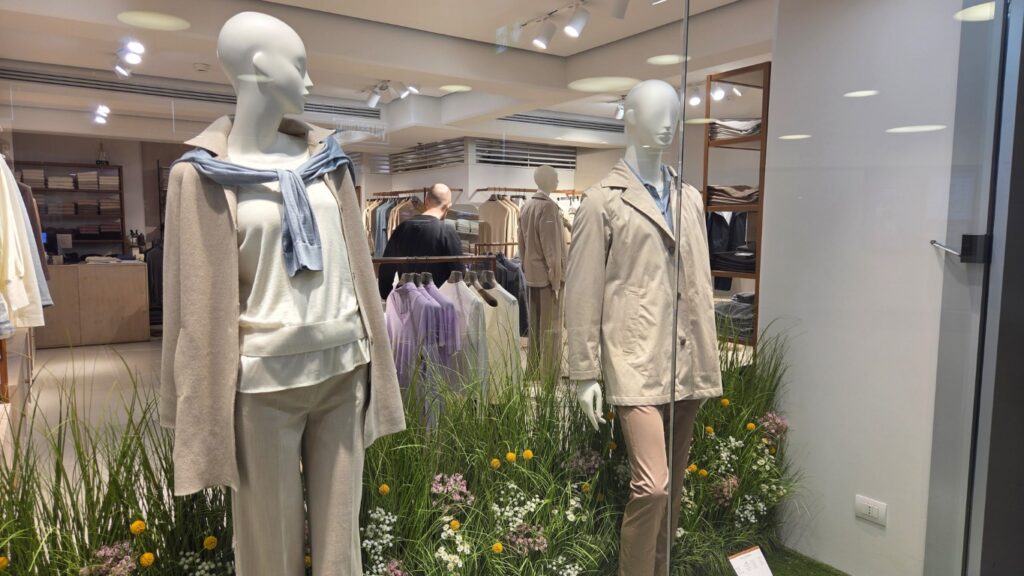
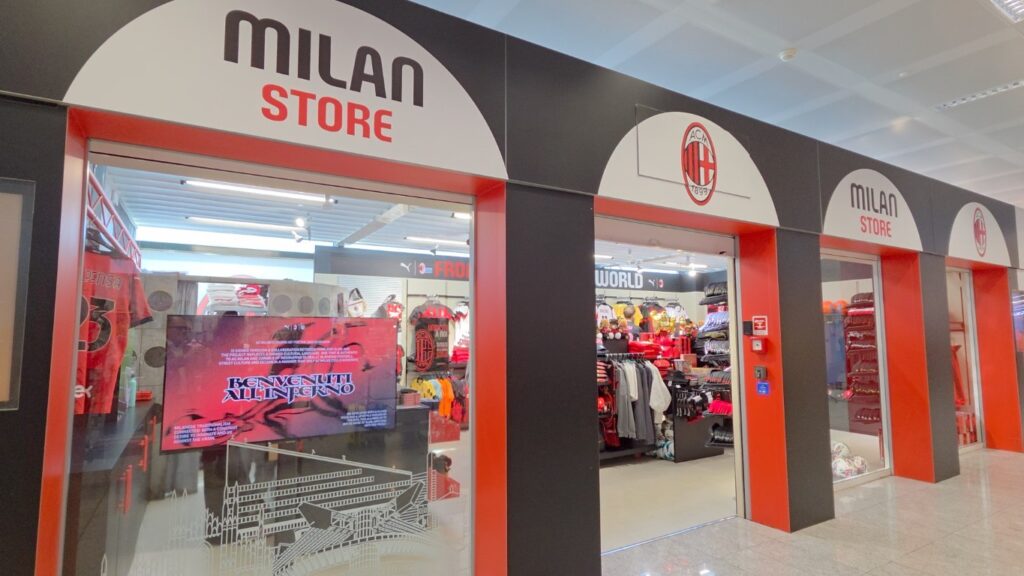


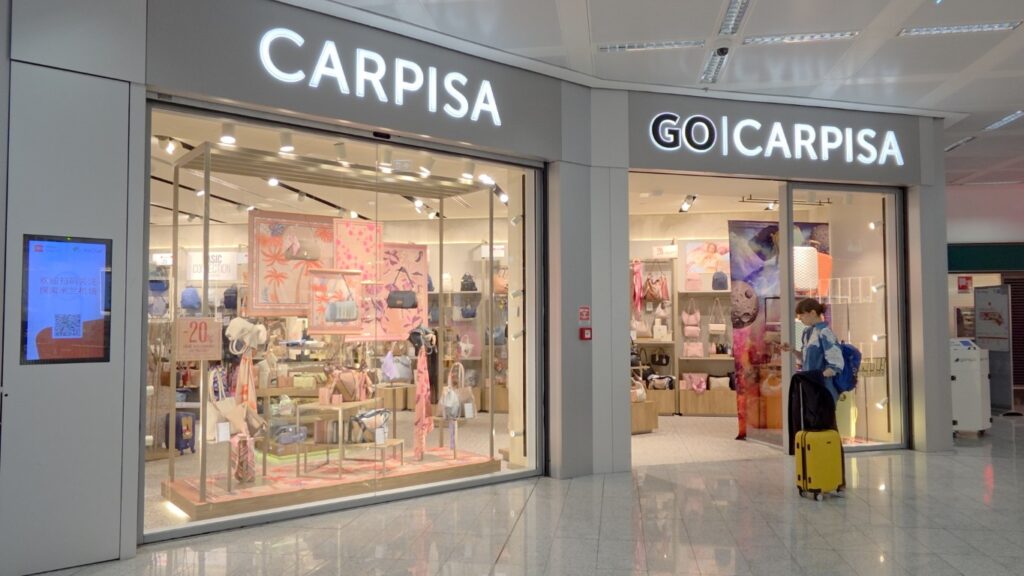

So that leads us to my vision. You know, I think that the thing I’m the proudest of is that in Malpensa Terminal 1 you may find we may meet the demand of any target, any audience, any segment of our demand. And the same goes for the food offer. You may spend, you know, €50 for some bites and two Ferrari glasses of wine or you can just grab a pizza in the Schengen area, We even have a Starbucks.
PM: There’s a nice seating area in the middle of the Schengen area.
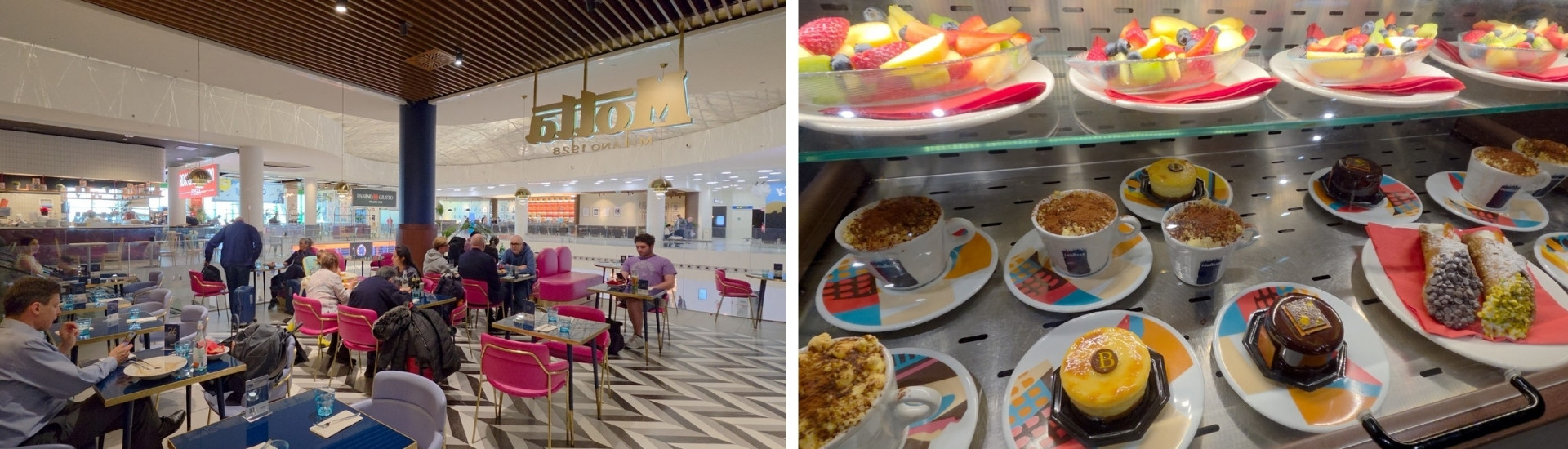
LB: I must say that we did a good job together with the design department and the planning department, because we planned that area together. Our intention was to let passengers wait for their gates in that area. Even if they don’t want to go shopping around, they can relax, they can sit there, they wait for their gates. And of course they are surrounded by some great food offers. I remember when we spoke last time I mentioned my frustration that I realised that passengers, post Covid, were far more into food. And that was the reason why we have pushed so much, to innovate our food offer as fast as we could.
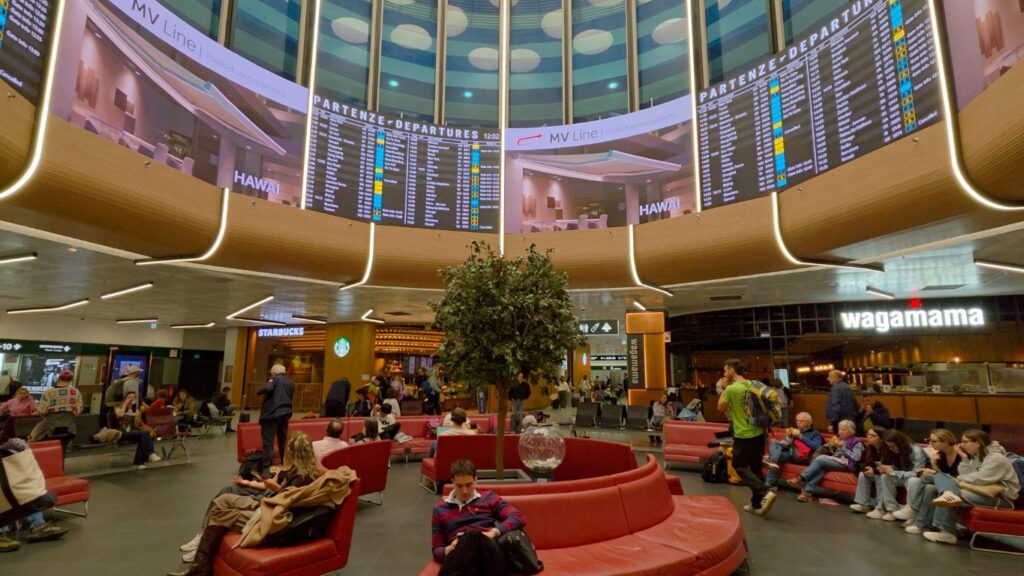

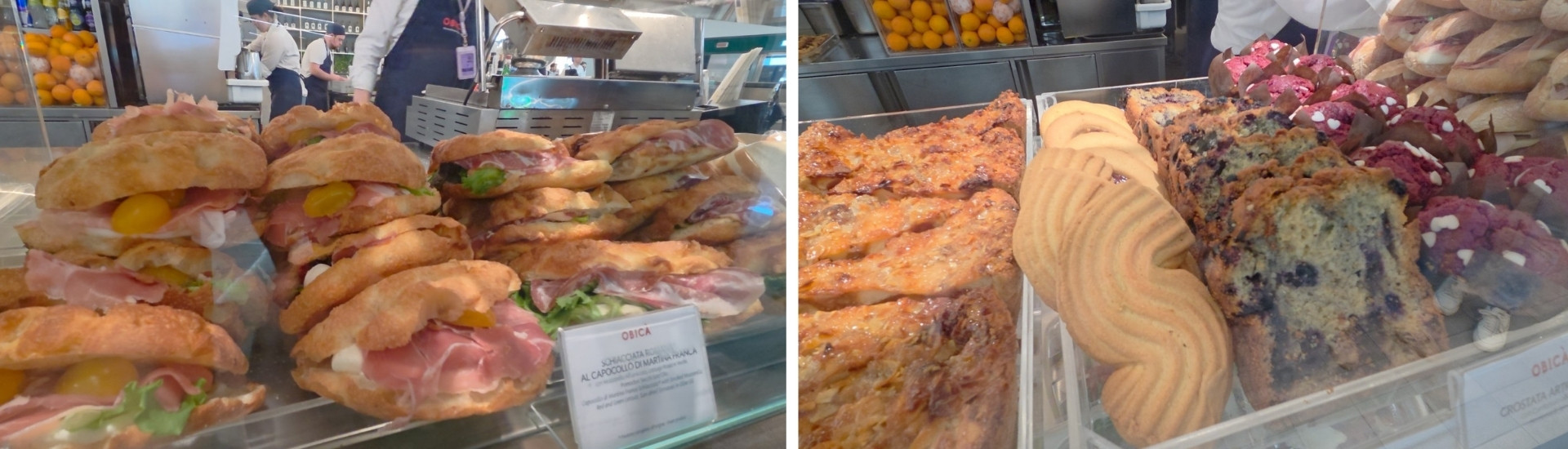

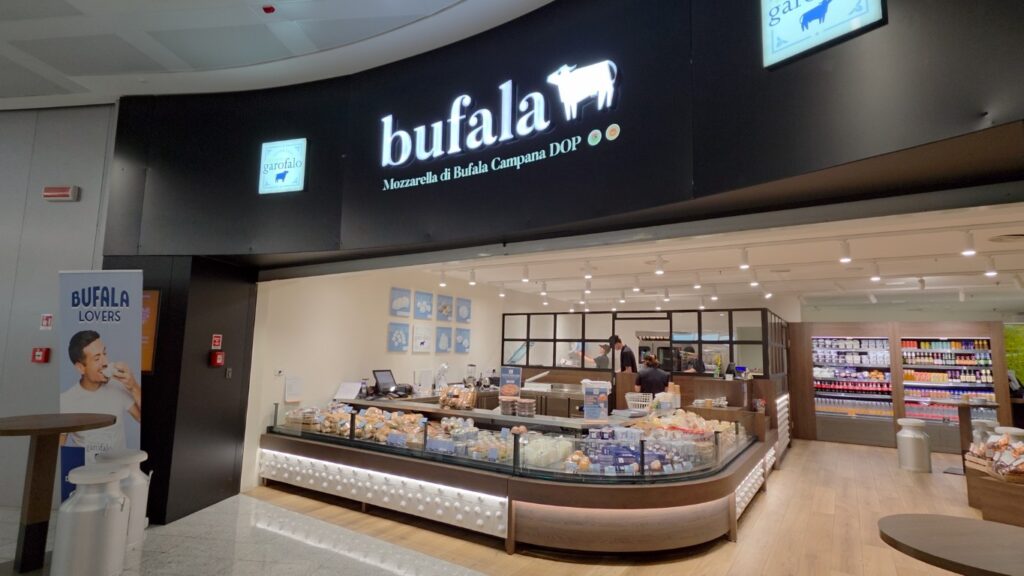
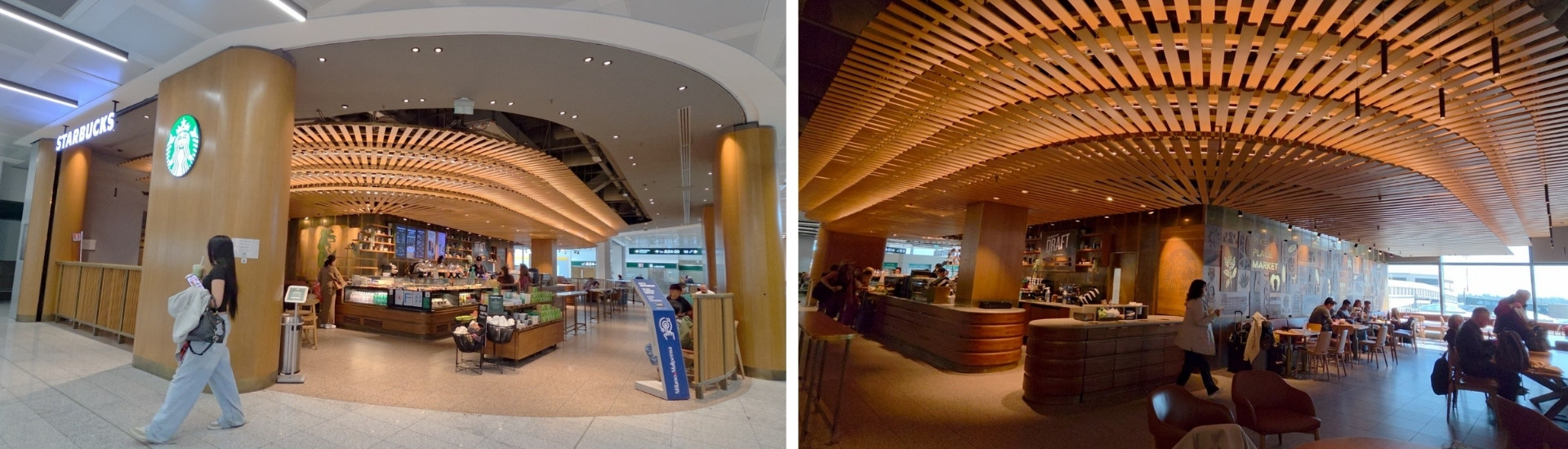
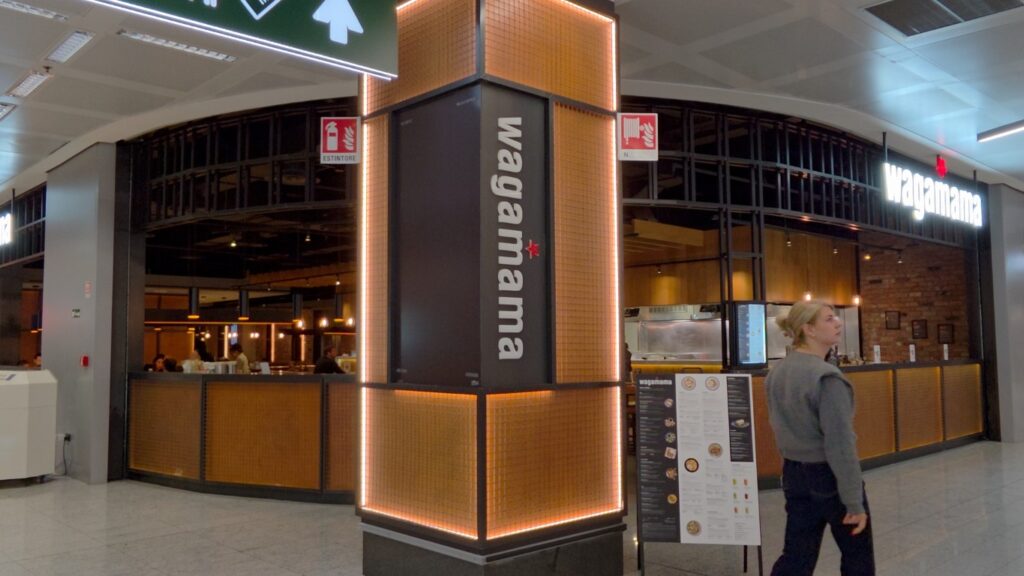
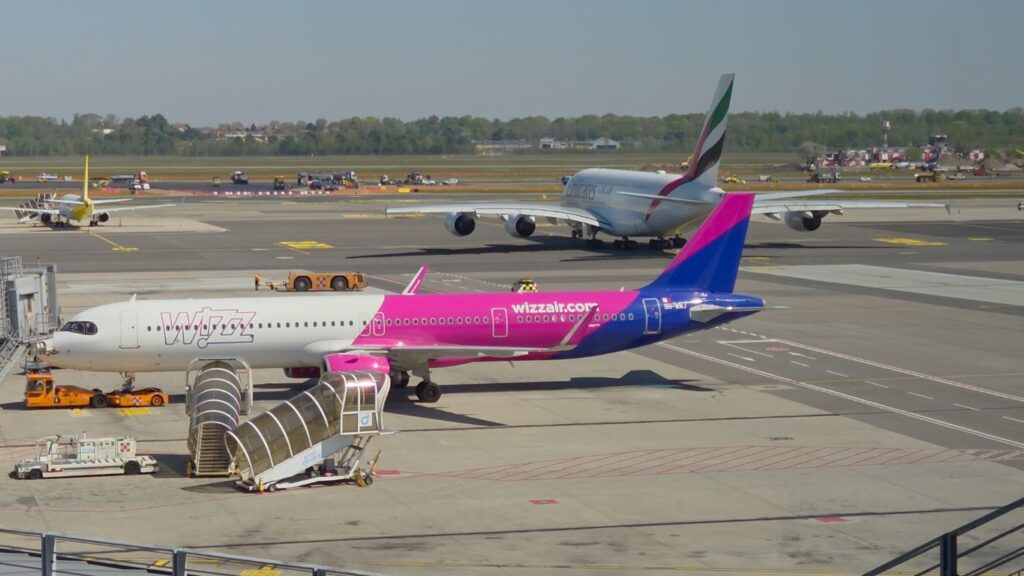
PM: Well, in the two days that I’ve been here, I certainly can’t eat at all the restaurants. But I particularly liked the bakery in the Schengen area and Alicia’s Pizza was simply amazing. I mean, there were pizzas fully decked with salmon and with prawns, others with a mountain of beef. Very impressive. Deep joy! And the plus of also being able to sit down and overlook the runway.

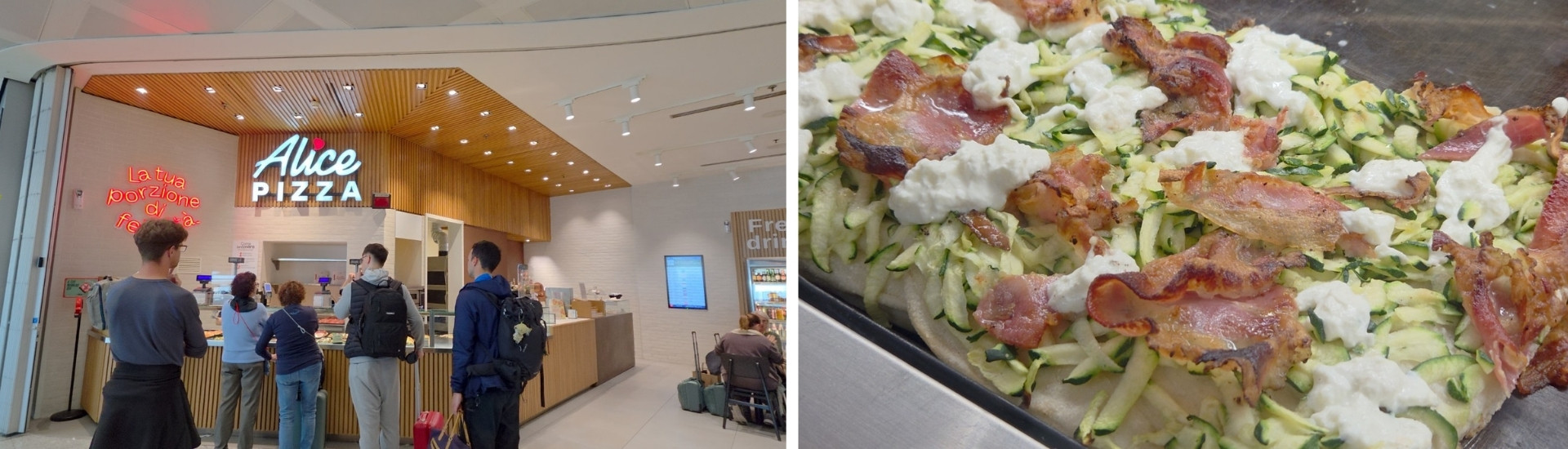

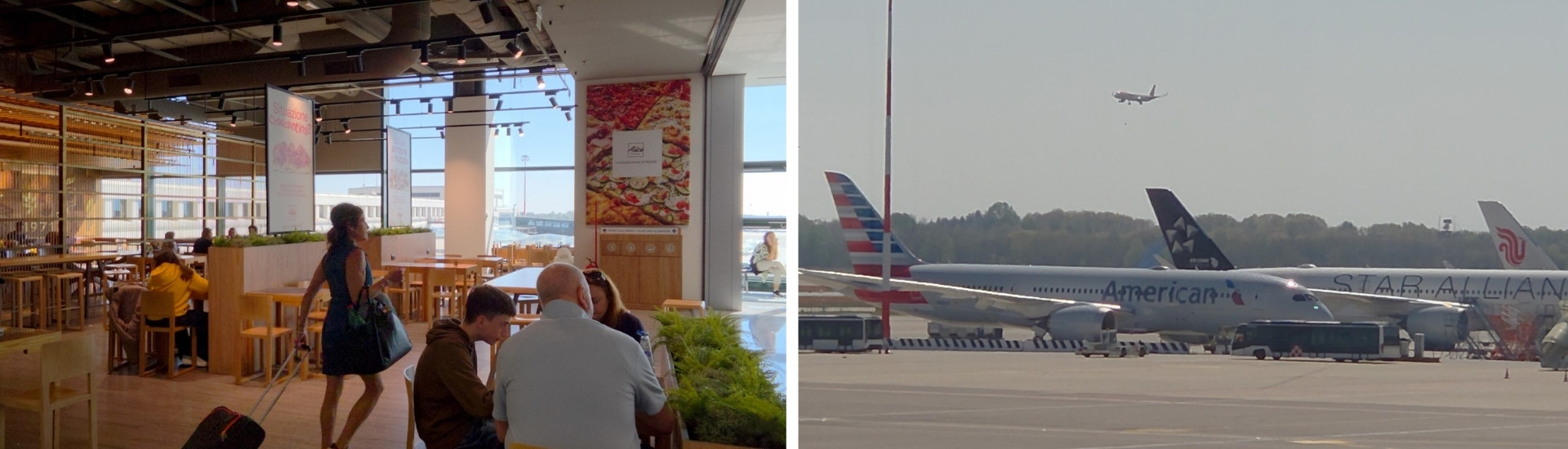
LB: Yes, and we have plans in the near future to expand that area. There will be two phases. The first one will be open in the summer season next year.. And then the second phase will be completed in the spring, 2028.
PM: Alright, let’s turn now to look at your 2025 figures. Just how well did last year perform in retail and food and beverage at Milan’s airports? And has there been a continuity in your outpacing passenger growth again? I mean, what convinces you that this step change is structural rather than a one off bounce from pent up demand and luxury tailwinds?
LB: 2025 was a very good year. We outperformed the passenger growth again and our spend per passenger between Linate and Malpensa grew by 5%. That’s the spend per pax. If we take Malpensa Terminal 1 only, the combined shops and food and beverage, the spend per pax grew by almost 3%. But if we go deep into the retailer side where we measure basically the performance, we did much better. The turnover grew by 70% compared to 2024. That was for the whole retail. And the spend per pax was up by almost 5%.
Again that is Malpensa Terminal 1, the one we are commenting now on.. That was for the shops, the food and beverage. Here again a good performance. The turnover grew by 12% in line with the passenger growth side. So let’s say that we were in line in terms of spend per pax when it comes to f & b.
As for luxury, we grew our spend per pax by almost 20%. This was definitely pushed by the arrival to Malpensa of Louis Vuitton and Dior.

PM: And the first quarter this year?
LB: It has been impacted by the war. We are losing at least 12 to 14 flights heading to the conflict areas every day. I haven’t seen the first quarter, but I would expect to be flat. That is a good result indeed in terms of turnover, but the spend per pax will probably be lower.
PM: I understand the average spend per pax has actually climbed to around €11. But where do you see the next two to three points of spend per head actually coming from without simply relying on price and inflation?
LB: You used a nice adjective when you asked if this is structural growth. I don’t know how to answer this. I’m not sure it will be structural. But it is structural in the sense that these results come after a multi- year work of consistent building of the luxury cluster, the main duty free, the affordable area and the dramatic increase in the food and beverage offer. So the growth could be now coming from the passenger growth. But, you know, along with this there will be an opportunity to become even smarter when we will select new brands or new brands that we will introduce across shops and f & b. So it is what we call in our jargon, asset management. Basically the growth can come from the passenger growth and from inflation, as you said.

PM: Are you going to invite Avolta to be faster to pick up on trends with the new retail zone you are building next year?
LB: We aim for something similar. But if there’s a way to do that is through our jv, we will. One of the benefits of having the JV is that we can properly plan the airport. If we want something, we can influence them and then they can be very, very fast in executing that. I think the brand new duty free allows us to capture new trends or new products.
PM: When we last spoke, you talked about feeling immense frustration post Covid, seeing passengers return to airports that were simply no longer aligned with their expectations. As we know, this led you to a JV move in food and beverage with a complete refresh of the offer. But what did you have to change internally, whether it was through governance processes or your risk appetite to enable you to move at such a speed?
LB: I already mentioned the work we do with both Arias group in the food and beverage and Avolta for the duty free and the convenience. The Avolta one is a long lasting JV dating back to the 90s, the one with Arias is more recent. What we had to change is that we put a lot of pressure on the planning department, the construction team. Because, as you know, we have seen something like 30 brand new food outlets in a couple of years. We go into negotiation and we select the brands we want.
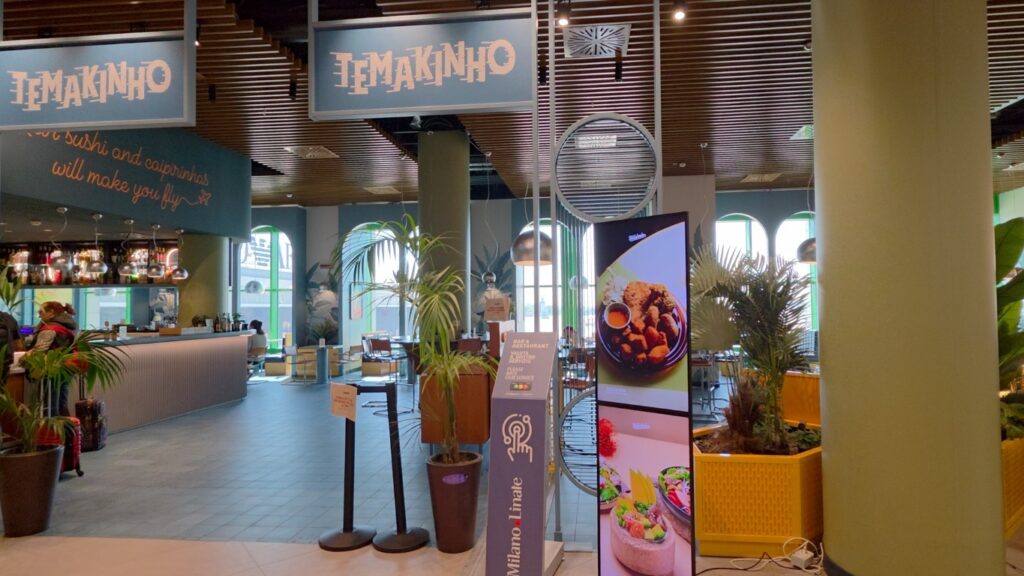
For specialty stores we run very effective and quick tenders. Our team, they’ve got so efficient in organizing these quick beauty contests and tenders and we do the same for food and beverage. So in addition to Areas, the jv, we have Autogrill, we have Cremonini and Chef Express. And then we also have international brands such as Pret A Manger and Starbucks. We want to test the market all the time. And the jv’s also serve as a powerful tool to speed up things, to introduce new concepts without too much red tape.
PM: The jv with Areas and the push into phygital projects like milanoboutique.com and Quick2Eat are, of course, central to your recent success. How are you measuring whether these models are truly incremental to sales and satisfaction – as opposed to just shifting spend between channels and partners?
LB: Today the aim is to be the digital platform for potentially all the shops of the airport. Basically, it’s a site where the passengers can browse all the shops catalogue, they can see the product, they can check the price. It’s a gigantic, shop window. This is one of the several marketing tools we have at SEA Milan airports to showcase our offer. In addition to the physical shop window, you have the digital shop window. Do you remember, Peter, it was originally meant to be a booking platform. You could not pay on that plan, you could only reserve and then pay in the shops. So we have realized that there are let’s say a few dozen bookings in one month. But what is more interesting is that we have between 10,000 and 12,000 interested visits lasting almost two minutes per visit session. We are also on WeChat and we have seen that people from China are clearly enjoying their browsing on the website.
PM: They are checking your offer out.
LB: Yes, they check the price and everything else, because sometimes the tour conductors, well, they put a lot of pressure on them so they arrive quite well informed. At the airport we also have in the terminal six Chinese speaking shop assistants helping the passengers. We have 11 Chinese destinations at Malpensa – probably after Paris, Frankfurt and London, it’s the most important airport when it comes to flights to China.
And so we have to take care of these passengers. So we measure on the spend per pax. Our retail team talk to the store managers and sometimes they say passengers say that they had seen that item on the Milano Malpensa boutique in Linate. It will be different because Linate is very fast, with a very short dwell time. There, it’s essentially a business audience. But they still want to check the prices. So for us, going back to your original point, milanoboutique.com shop is just a powerful marketing, multi-audience tool.
PM: So, moving on. I think we all recognize that most passengers today are extremely smart and more demanding. That airports tend to be arguably too slow in adapting. Where have you deliberately reduced commercial density or changed layouts or even pulled back from certain categories because they were hurting perceived quality or the sense of place or spirit that you’ve delivered here?
LB: I believe I already mentioned that we converted over 2000 square metres of specialty stores into food and beverage This is something that we did on purpose because we wanted to offer a better overall service to the passengers. And also, you know, the rent per square metre coming from food and beverage is higher than the average specialty store. At the end of the day we prefer to go very deep in segmenting the food and beverage offer. We prefer to have 10 or 12 fewer shops.
PM: But you have a gallery, as it were, of small shops that still fit that bill though, don’t you? And a number of other Italian brands can be found there.
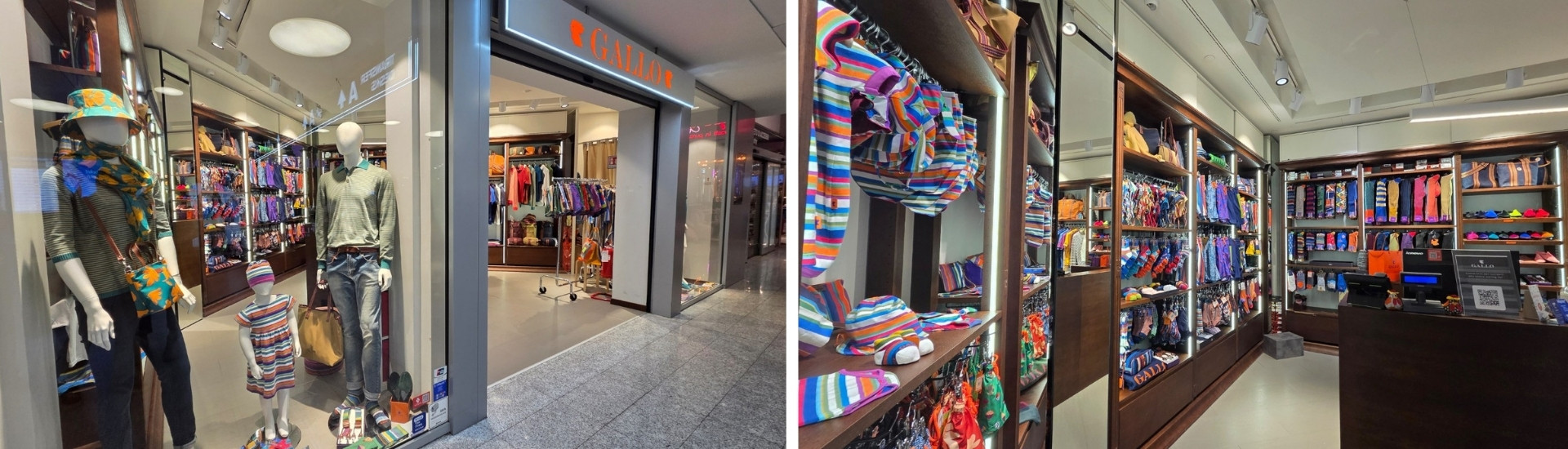
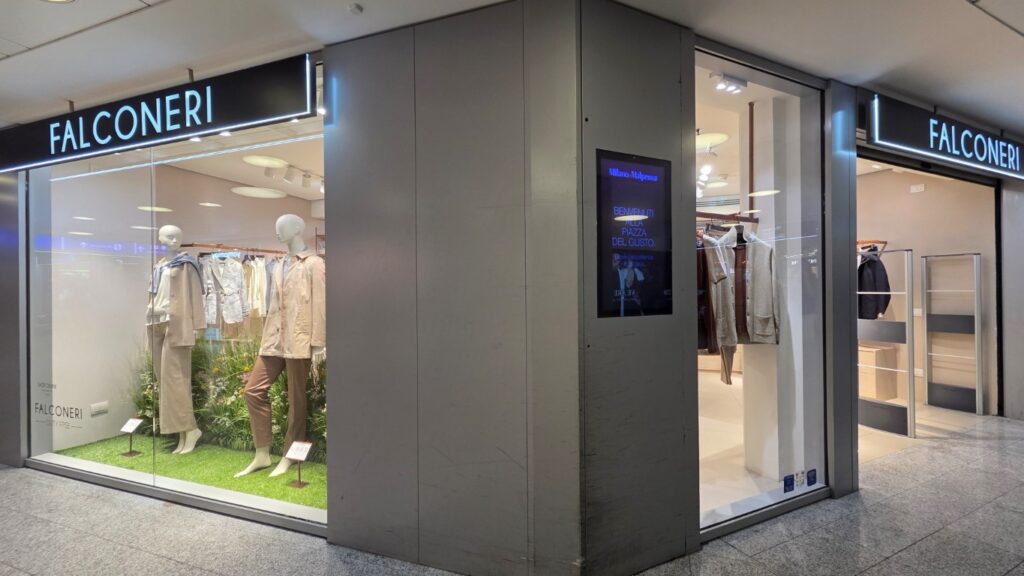
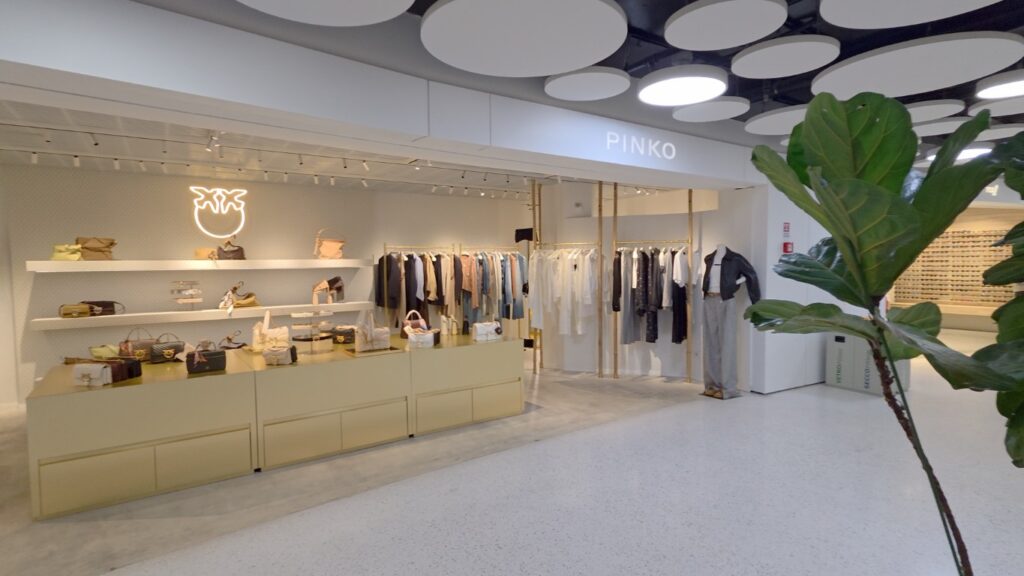
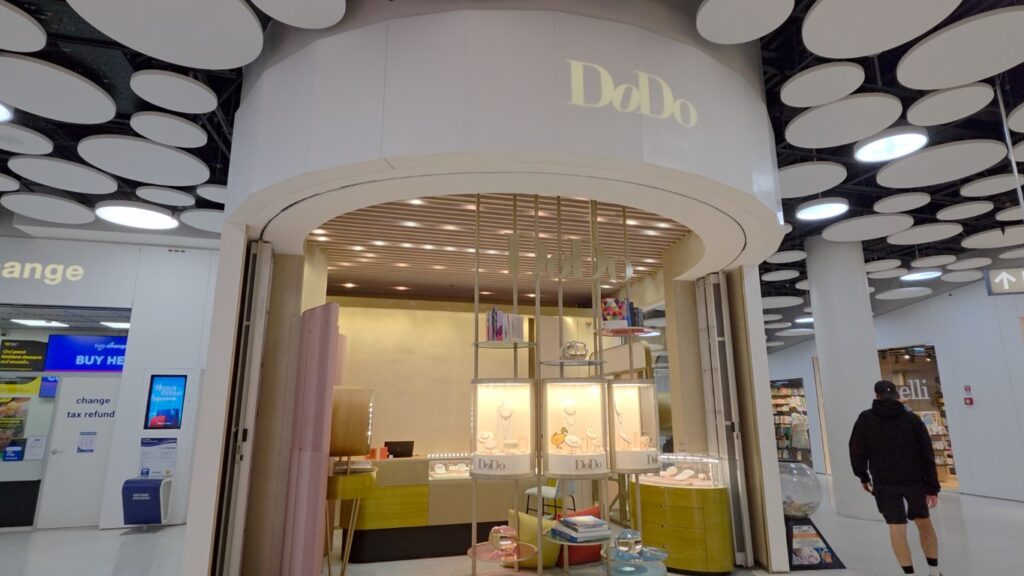
LB: Indeed, there’s Falconeri, Cazedonia, Yamamay and Gallo, for example. But it’s not enough and we will be doing new things next year in this area.
PM: I particularly liked the Gallo shop. Funky and fun.
LB: It’s a tiny luxury store, private every equity backed. Basically 90% of the offer is beachwear and socks. All stripes and colour. It’s fantastic.

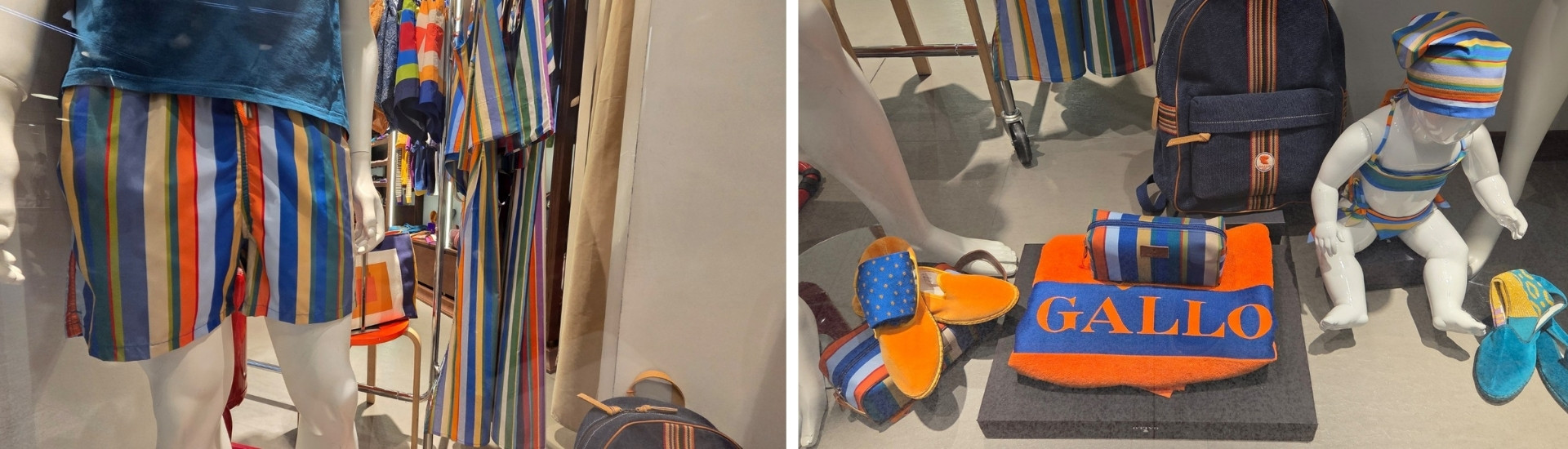
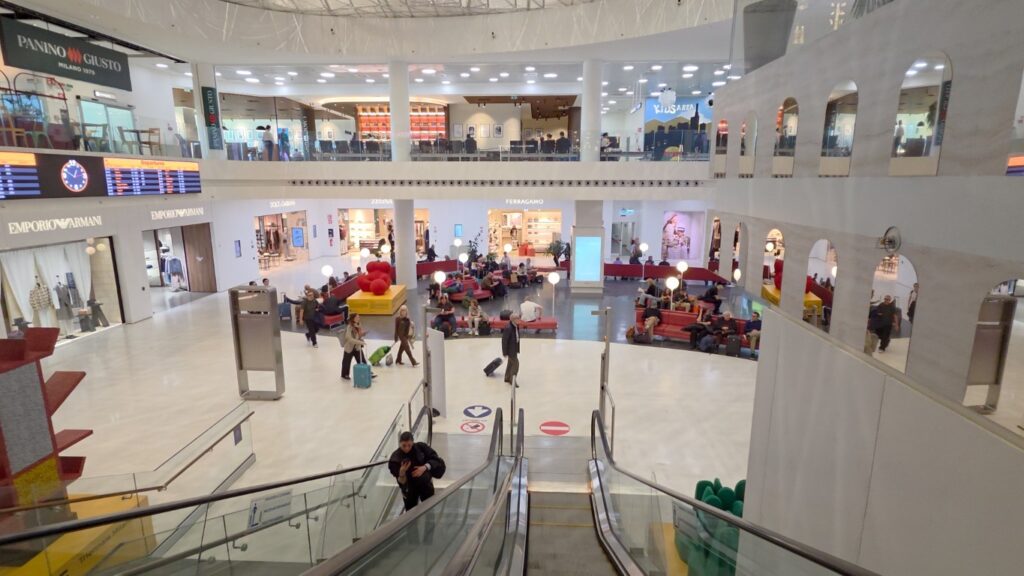
PM: Yes, it’s a standout store. Let’s move now from Malpensa to Linate. It is very different. As you said, it is more geared to the business traveller. And while Malpensa pushes further into long haul luxury global brands, this tends to be more euro-based in terms of the destinations. What are the criteria you use when deciding which brands and formats belong to the respective airports?
LB: Sometimes we do a dual airport deal. It can happen, but even when we do that the shops look very different because in Linate the size of the shop is generally smaller, and sometimes even the offer, based on the size of the shop.
There is also a very different dwell time. Linate is a very, very smart airport, very quick, you can go from security to the gate in three minutes.
PM: So what’s the average dwell time there?
LB: It’s around 100 minutes.
PM: That’s still quite long for a fast airport.
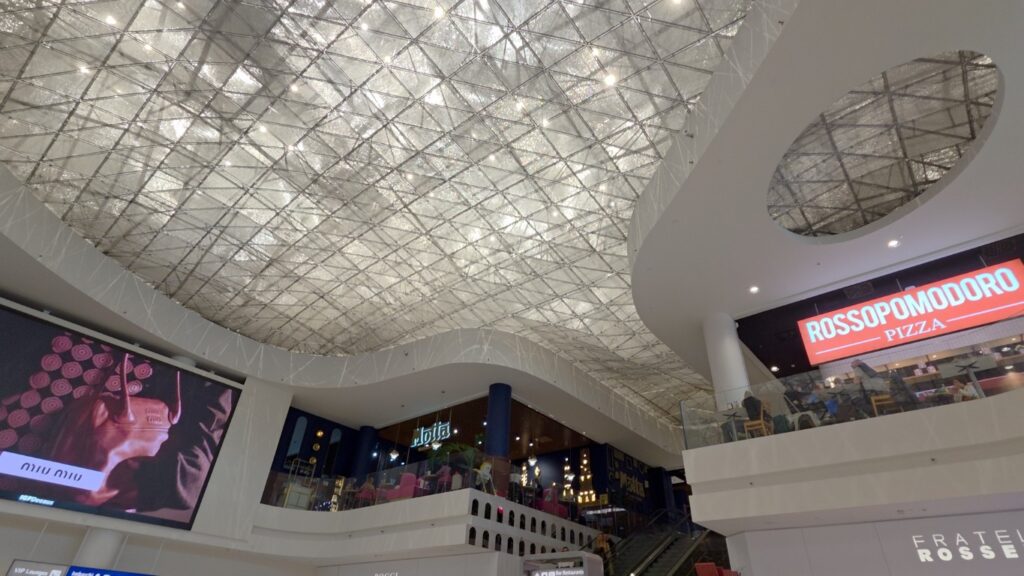
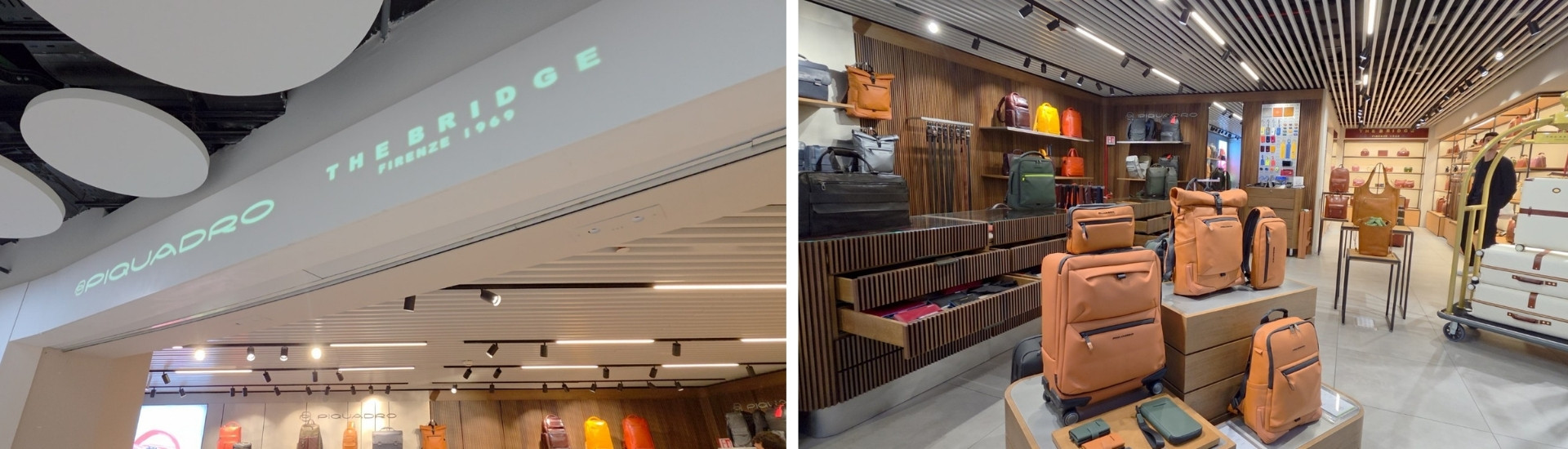
LB: Yes, but one goal we achieved there is that we managed to influence the passengers to show up earlier to enjoy the food and beverage and the shopping as well. So basically we looked to include shops targeting the business travellers in Linate. And you will see that all of them are Milan-based shops. So the biggest difference when we look at comparing the retail at Linate is that we chase global brands at Malpensa, which we don’t do at Linate. We even focus on niche brands there and, again, ideally from Milan. There are several shops with the Milan name proudly shown.

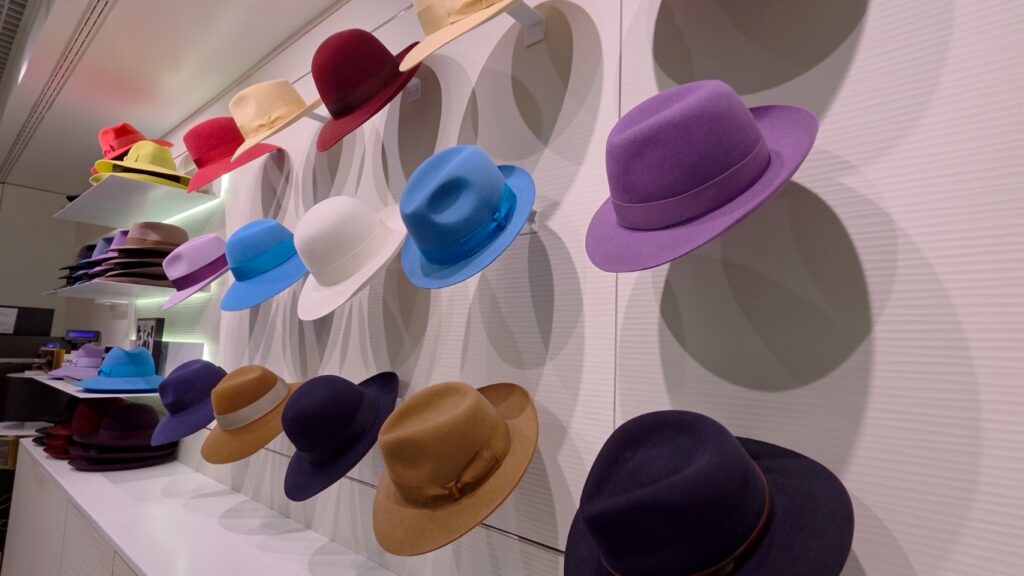
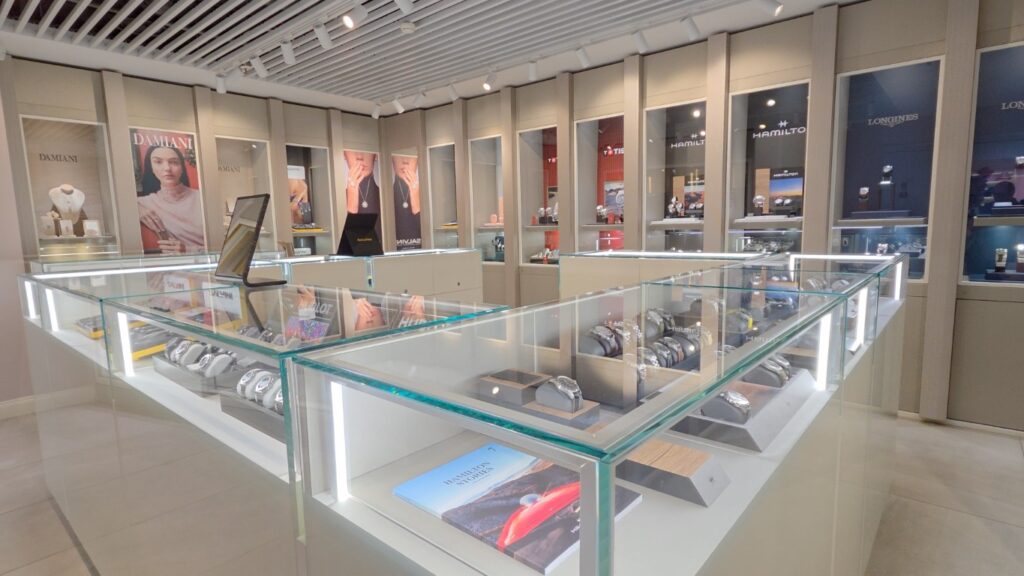
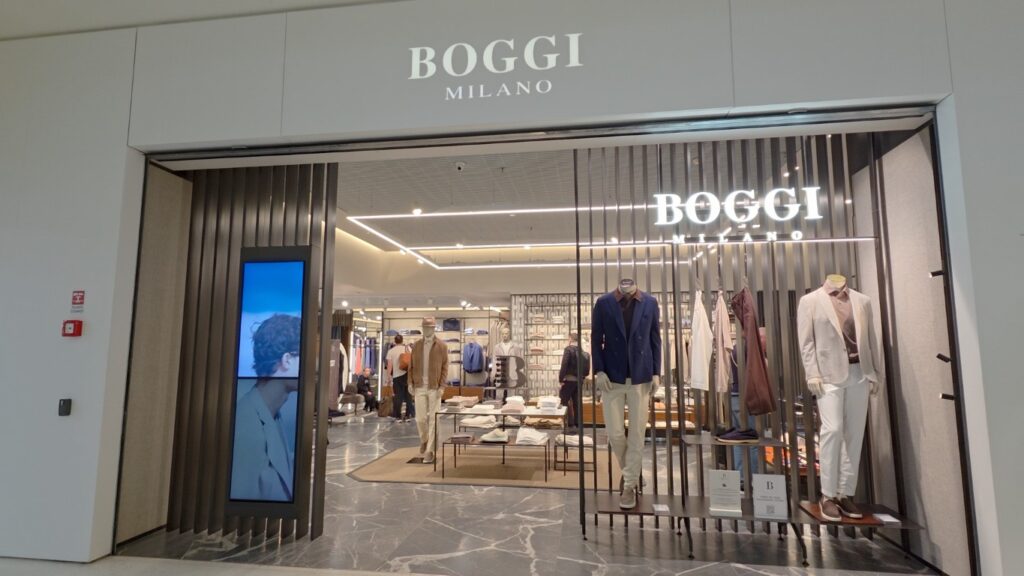
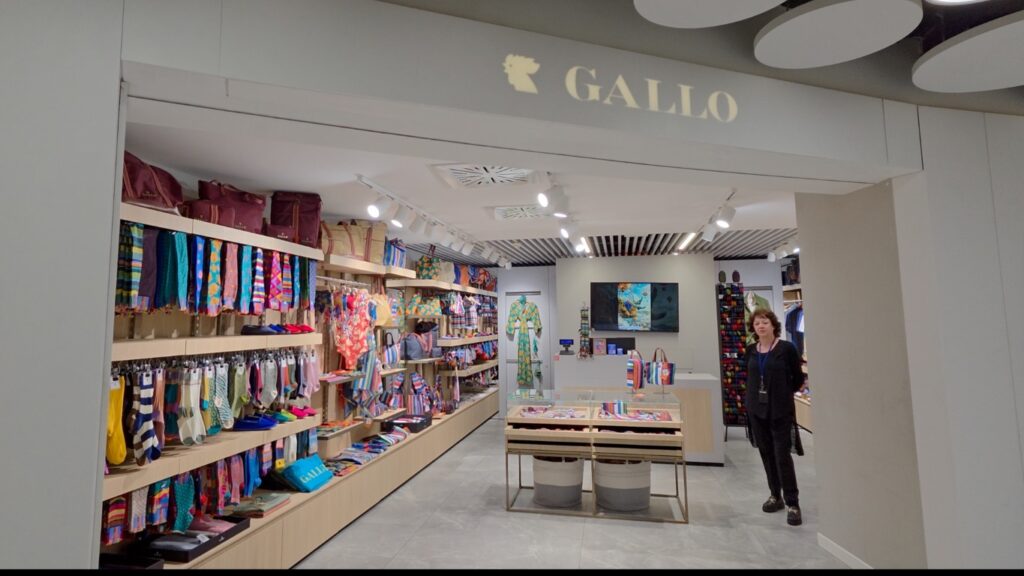


PM: Now with traffic, retail lounges and digital touch points now under a single CCO structure – that’s you – which is basically a move I applaud, a combination of roles arguably best managed by a CCO. What is your roadmap for data sharing with retailers and f & b partners, and how far are you willing to go in co-owning customer data to truly unlock new value versus simply protecting SEA’s own strategic advantage?
LB: To date we share a lot of information and data with the retailers and we’ve been doing this for a long time. For example, every week we publish best performance rankings which, of course, are anonymous. So the shops can see their performance, flight data and even traffic forecast for the upcoming two weeks. This is split on time bands so that they can see the number of passengers expected by different hours across the day.
And we share the mystery shopping audit survey, too. And we also have a powerful incentive program in place again for a long time and this is based on my experience with McArthurGlen. So we share this information to sort of push the retailers to compete with each other and to always do better when it comes to customer service and so on.
The incentive is based on the best performance, turnover and other indicators. We share all this in the tenant meeting that we run regularly. And, for the future, my retail team wants to become even more sophisticated because we are in the process of acquiring a passenger flow platform which will enable us to give all the tenants the real traffic per area so they can see how the passengers move around the terminal. It’s based on the heat map concept.
So, we do give our partners a lot of data and figures, so that they can really understand better. They do not know the nationalities of the passengers, but they do know the traffic expected and can plan accordingly.
PM: Now you’ve hinted previously at ambitions such as enabling lounge guests to order directly from duty free and building out more phygital journeys. What are the main internal or partner side barriers that may be slowing these projects down – like ‘territorial’ issues, really. And what might you do differently in the next wave to overcome them?
LB: This is a project that we have not managed to implement yet. We are still working on it. The major barrier could be the customs’ willingness to let us do this because of course you can imagine you have to order something from the lounge and this product has to be shipped into the lounge without the customers. So we need to convince customs together with Avolta and other duty free partners. For example the luxury stores, they long for this service. They would love to serve passengers in the lounges and we are very open to that.
We manage our lounge under the brand Club SEA.. It’s a very well respected brand in the Milan catchment. So the only barrier I see is the customs. I don’t have any other concern when it comes to the duty free operator because as a jv partner they will do the utmost effort to carry this through internally.. We just need to convince customs and then to build the operational journey to deliver the service.
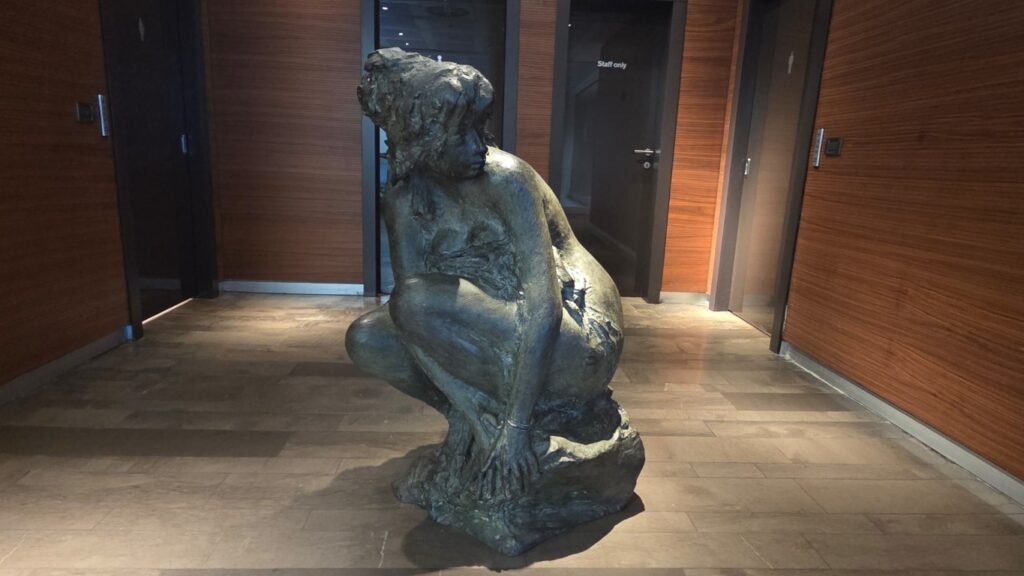
PM: You’ve actually got quite a few lounges here. Yes, they’re comfortable. The VVIP lounge is very notable for some of the offers you have there. I like the silence room, although I can’t imagine any CEO being silent anywhere. But, having said that, I felt that they were a bit light on artwork and greenery.
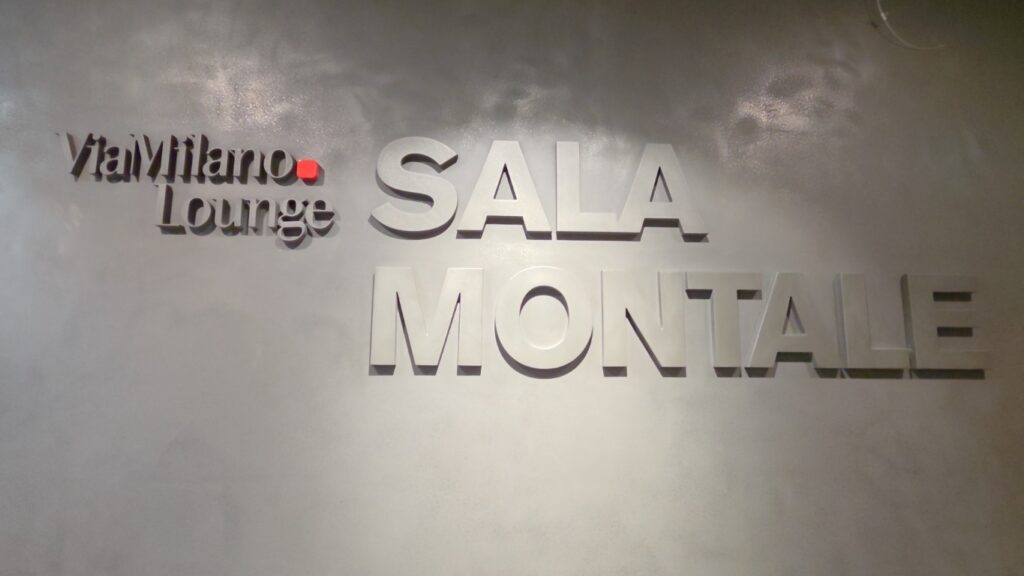
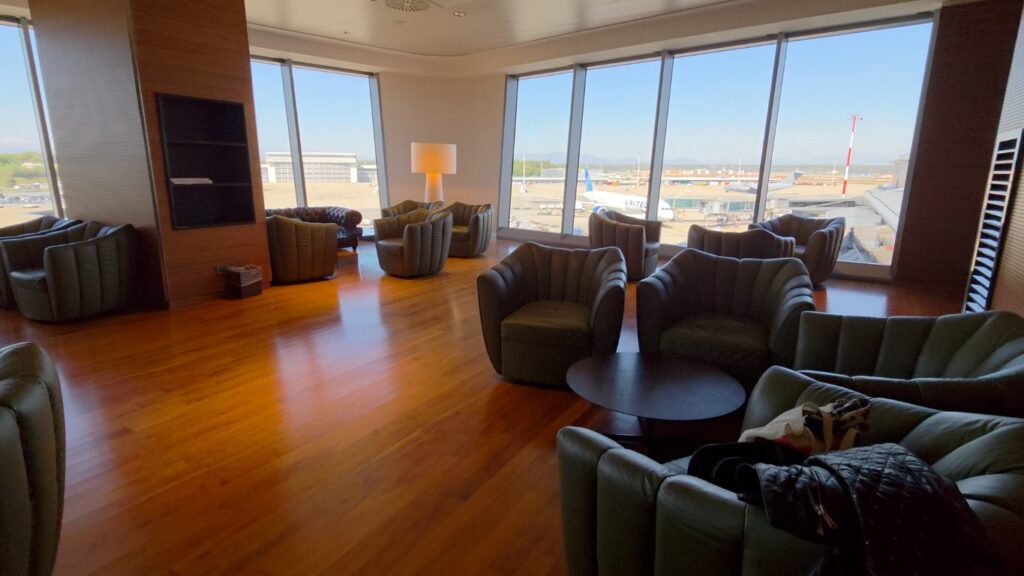
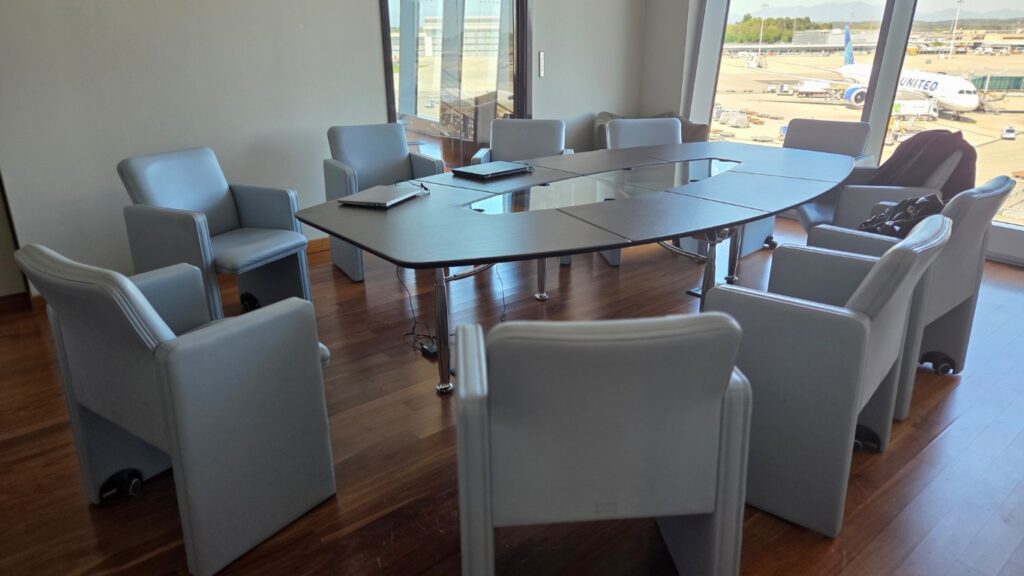
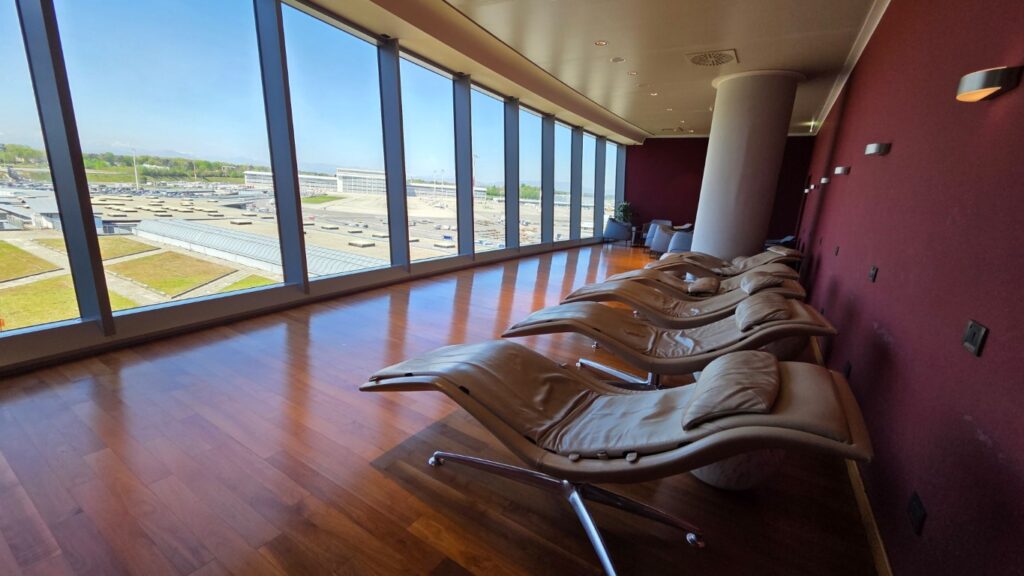
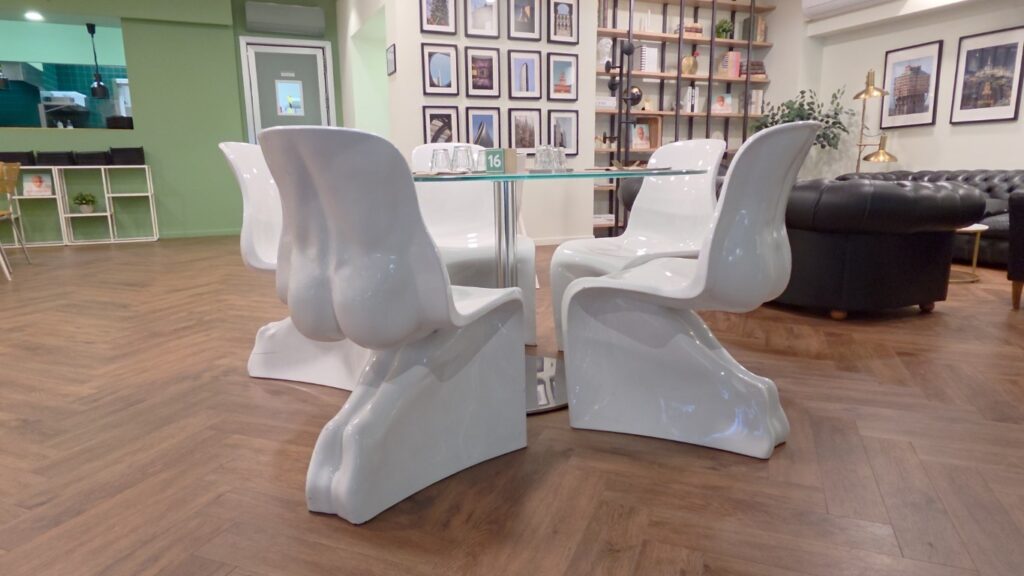
LB: You notice that we have a few major airline lounges at Malpensa, like Emirates or Lufthansa. The same goes for Linate. And we have our own brand in Club SEA. We noticed after COVID that there was a much higher demand for lounges coming from passengers holding the priority pass or any credit card. So we used to have five lounges, now we have seven and we did a good job in segmenting these lounges. We have, at the highest level, the Gae Aulenti and, I don’t know if you noticed, we named each of the lounges after famous Italian musicians, artists and architects. The catering inside is managed by our jv.
PM: That’s particularly good. And I liked the look of the bar area, too, in the VVIP lounge.
LB: We really do care a lot about the catering that we provide. In my experience it goes together with the environment, the quiet ambience – these are the most important things in the lounge. We push our jv to change the menu regularly and to pamper the customers. I don’t want to say that ours is an original model, but it’s our model. It’s our way we do things – quiet elegance with an emphasis on quality.
PM: Understated elegance, yes, perhaps that’s the best phrase for it. So, Luigi, to one final question. If there are three things you want to say to the business community now, and particularly ahead of next year, where you’re the principal airport sponsor of the Trinity Forum, what would you like to say?
LB: What is key for us, for me, for my team, is keeping the ability to make changes at a rapid pace.
This is very important because airports are difficult environments. Making changes is difficult. So you need to create the condition to be fast. And to be fast, don’t give too long contracts to the tenants, to the retailers. I can recommend jv for all the others. What works for us doesn’t necessarily work for the rest of the industry, but I stress that it’s best to keep the ability to change. This is number one.
It’s very important to not be afraid of exploring, of taking risks. I want to share because there can be failures for sure, but you know, amongst the failures, you can still pick some good instances of innovation.
And be flexible. I know it may sound, you know, obvious, but this is what has worked for us.
PM: Luigi, thank you for your time. And congratulations to you and your jv partners on what you have delivered here in Milan.
LB: Thank you Peter. It’s been a pleasure to see you again.












To subscribe free, please enter your email address: