Duty Free Global: Rethinking Growth, Risk and Relevance in Travel Retail


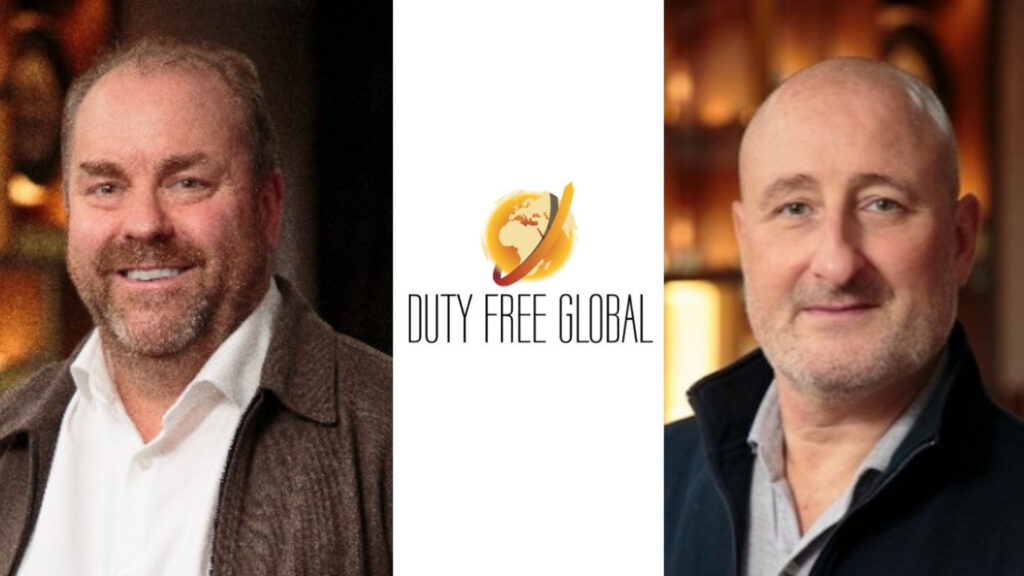
Duty Free Global (DFG) has positioned itself as something different in the travel retail ecosystem: not a traditional distributor, but a strategic partner to brands navigating an increasingly complex global channel. Founded by industry veteran Barry Geoghegan, the company combines deep operator-side experience with a deliberately selective, partnership-led approach to growth.
At a time when consolidation, margin pressure and range rationalisation are reshaping the landscape, DFG is advocating for a more collaborative, data-driven and long-term model – one that prioritises brand building and category development over short-term transactional gains.
Reflecting that strategy, DFG this week announced a strategic partnership with South Korea’s Brandepot to launch K-World Beauty.
In this Q&A with Colleen Morgan, Barry and DFG Vice President of Sales John Kilmartin discuss the realities behind that model – from portfolio strategy and premiumisation to risk-sharing, innovation and the future of drinks in travel retail.

Colleen Morgan (CM): Duty Free Global positions itself as a brand partner rather than simply another distributor in travel retail. Barry, when you founded the company, what gap were you trying to fill – and what does that model really mean in practice today?
Barry Geoghegan (BG): When I founded DFG, I saw that many brands didn’t fully understand what makes travel retail different. That lack of channel insight often limited their success.
So, we built a team with deep, first-hand experience – people who have worked with major operators like Avolta, Heinemann, ARI and B&S. That gives us not just commercial understanding, but empathy for how the channel really works.
In practice, being a “partner” means we are fully embedded in the industry – supporting brands strategically, aligning with operators, and contributing to the wider ecosystem.
CM: In an industry still heavily driven by margins and distribution deals, Duty Free Global operates with a fee-based partnership model. Can that approach really work at scale – and what genuinely differentiates you from competitors?
BG: We’ve built a team that understands global operator strategies, passenger profiles and purchasing behaviour. That allows us to align brands more effectively with the right opportunities.
What differentiates us is that we act as an extension of a brand’s own sales and marketing teams. As the industry consolidates, we have the reach to deliver on global deals.
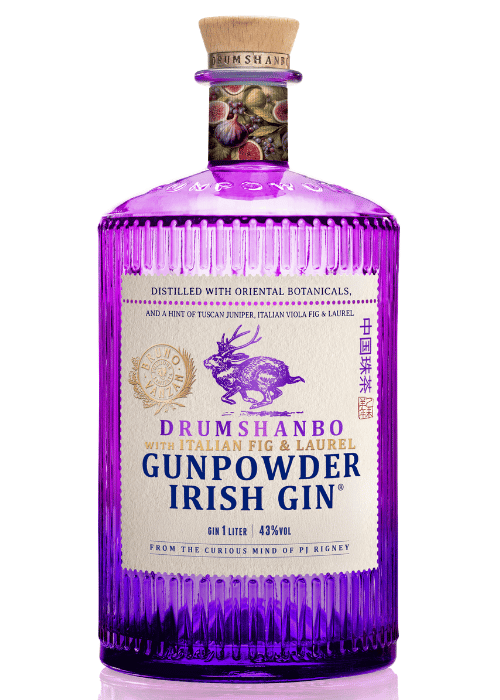
CM: John, your portfolio spans everything from Irish and Scotch whiskies to bourbon, rum, champagne, wine and gin. Is the goal to build a balanced drinks ecosystem, or are you deliberately backing the categories you believe will define the next phase of travel retail?
John Kilmartin (JK): It’s both. We maintain a strong core – whiskey, vodka, gin and rum – because they provide the scale and stability the channel demands. But we don’t see them as static – they’re platforms for innovation within sub-categories.
Our strategy is about calculated agility. We actively look for partners willing to move beyond the traditional core and share the risk of developing emerging categories. Agave is a good example – once overlooked in travel retail, now a global powerhouse.

CM: With such a broad portfolio, how do you prioritise brands – and how do you decide when a niche brand is genuinely scalable in travel retail?
JK: Scaling a brand is ultimately about cross-border potential. If something works in one region, we use data to identify where else it can succeed – whether that’s similar passenger profiles or comparable retail environments.
We aren’t just selling bottles. Travel retail is a global launchpad. Our role is to turn strong local brands into credible international propositions.
CM: Travel retail is a channel where premium and super-premium spirits drive margin. What is your ‘red line’ when it comes to more accessible brands?
JK: Accessible brands don’t dilute premium – they support it. They create a ladder of consumption, bringing new consumers into the category and building loyalty over time.
Our red line is quality, not price. If a brand leads in its tier, it has a place in our portfolio.
CM: Retailers are constantly rationalising ranges and pushing exclusives. What do you say when a buyer tells you: “We don’t need another distributor – we need fewer suppliers”?
JK: I agree that rationalisation is necessary – a cluttered shelf helps no one.
The conversation shouldn’t be about the number of suppliers, but about the capability and reliability of those you choose to keep.
CM: Travel retail presents itself as a global marketplace, yet regional dynamics can make or break a brand. How important is local expertise?
JK: It’s critical. Success depends on understanding the “unwritten rules” of each region.
Our team has operator-side experience, so we’re not just observing – we’ve lived those challenges. That allows us to anticipate retailer needs and respond more effectively.
CM: Wine and spirits remain a cornerstone of duty free, but the environment is evolving. What are the category’s real strengths – and its blind spots?
JK: Our greatest asset is curation – we guide travellers toward discovery. But we’re too reliant on price-led messaging. If we over-index on discounting, we risk commoditising a premium category.
We also need to do more to engage younger travellers. That means lowering barriers through digital engagement, sustainability and better storytelling.
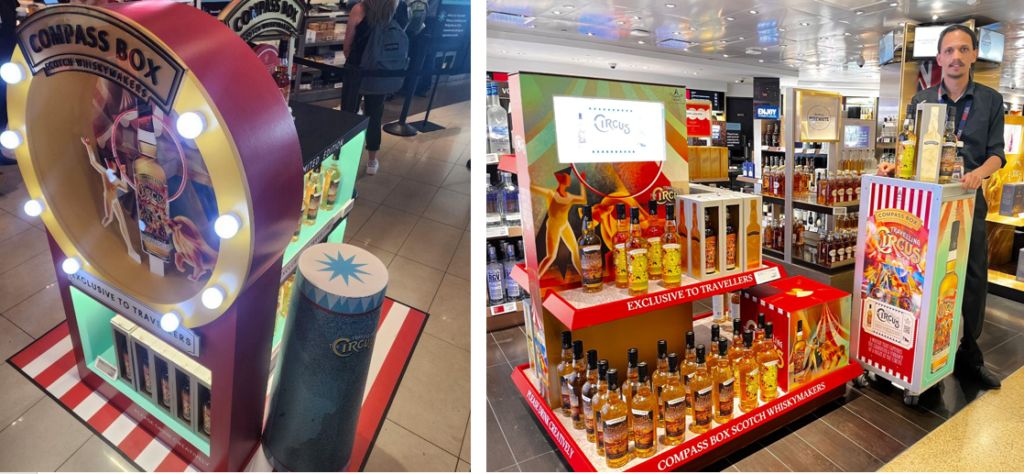
CM: The industry talks about innovation, yet often favours safe bets. Are we doing enough to support new ideas?
JK: It’s a fair observation. It’s a fair challenge. High costs and risk mean operators naturally lean toward proven brands.
But innovation requires a more collaborative model. ‘Safe’ brands provide stability – but growth comes from newness. To unlock that, we need to share risk and treat innovation as a long-term investment.
CM: Looking ahead, where is the next wave of opportunity – and what would you change about the industry today?
JK: The next wave sits at the intersection of premium discovery and cultural relevance. We’re seeing growing interest in ‘New World’ spirits – Asian whiskies, agave, craft rum – products with strong origin stories.
There’s also a shift toward “drinking less but better”, with demand for transparency, quality and craft.
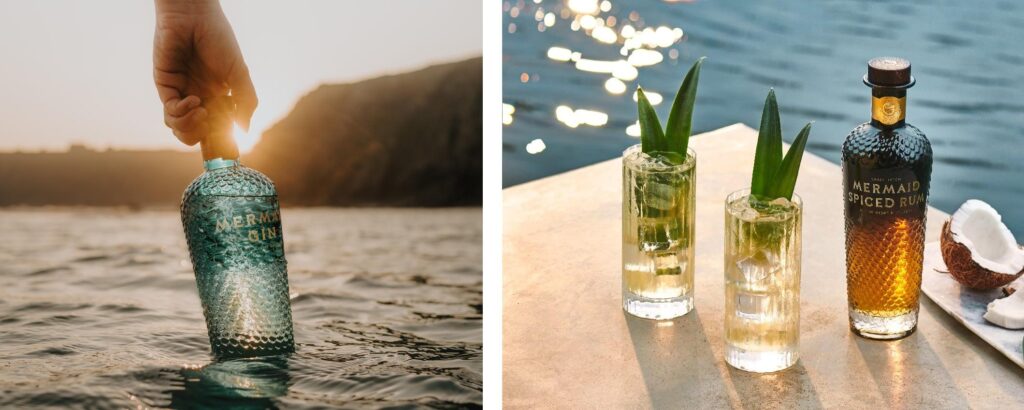
At the same time, the airport’s “golden hour” is shrinking. The opportunity is to engage travellers earlier – through digital, pre-order and personalised storytelling.
If I could change one thing, it would be the industry’s reliance on price and its approach to risk. Constant discounting creates fatigue and devalues brands.
We need to move toward genuine partnership, co-investing in category growth, focusing on experience, and rewarding long-term engagement over short-term volume. That’s how we build a more sustainable and premium future for the channel.
CM: Announcing the strategic partnership with South Korea’s Brandepot and the launch of K-World Beauty, Barry Geoghegan commented on LinkedIn: “I am so proud to launch this new business with lifelong friends Won Kim and Jonathan Holland. They are the beauty experts and I am privileged to start an incredible business with such experienced partners .Wishing Duty Free Global Beauty a successful launch in this incredible world of global travel retail.”


To subscribe free, please enter your email address: