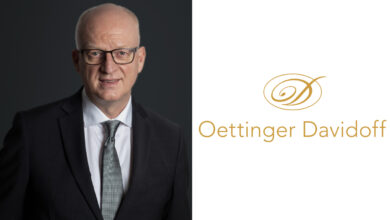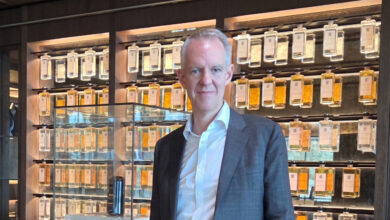


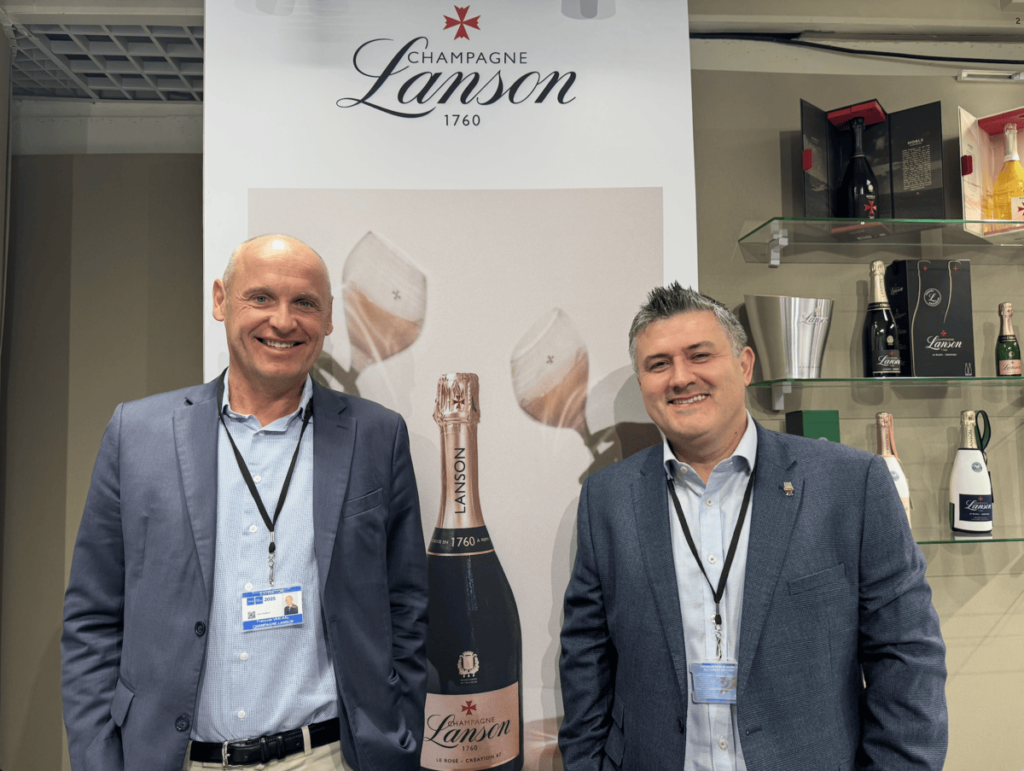
François Van Aal, Président, Champagne Lanson, Interviewed.


Champagne’s recent cycle has been anything but linear: post-COVID highs, renewed cost inflation, and a return to more cautious consumer behaviour have all landed in quick succession. Yet travel retail continues to offer something champagne needs more than ever – visibility, “liquid to lips”, and the ability to convert gifting moments into brand recruitment.
André de Almeida for TRunblocked.com sat down with François Van Aal, Président of Champagne Lanson, alongside Julie Renault (Marketing, Communication & Environmental Director), to discuss the realities of planning in a volatile market, where Lanson sees its next travel retail growth opportunities, and how exclusives, pack formats and partnerships like Wimbledon help defend value beyond price.
André de Almeida (ADA): François, before we start, how did you get to Lanson?
François Van Aal (FVA): It was seven years at the end of this year, after 23 years in the cognac and spirits industry at Rémy Cointreau across France, Asia, but mostly in the Americas, with quite a few years spent in the US. I was prepared to get on this road seven years ago as Président of Champagne Lanson. It’s a fantastic brand, founded in 1760, so in 2025 we celebrated our 265th anniversary.
But even if it is full of history, the company continues to strive for innovation and we’ve been also emphasizing the quality of the wine and the creativity behind it over the last few years.
ADA: You reported first-half results up 4.8%. What should we expect in the second half, and how has Lanson travel retail performed over the last 12 months?
FVA: I wish I had a crystal ball. There’s so much uncertainty due to geopolitics which can affect travel retail and domestic markets. We used to have five-year plans; now we have a budget plan for the following year, and it’s even more difficult to plan precisely. Champagne shipments are a roller coaster: a balanced level is about 300 million bottles globally. In 2020 it went down to 240 million; in 2022 it went up to 325 million, an 80 million bottle swing in two years!
More importantly, what is very positive for travel retail is the recovery from the end of 2021 and start of 2022. Airline traffic and airport passengers are back to 2019 levels or even stronger. Traffic makes business healthy, so we are optimistic – even though the market is tough.
ADA: Do your key travel retail markets mirror Lanson’s domestic strengths?
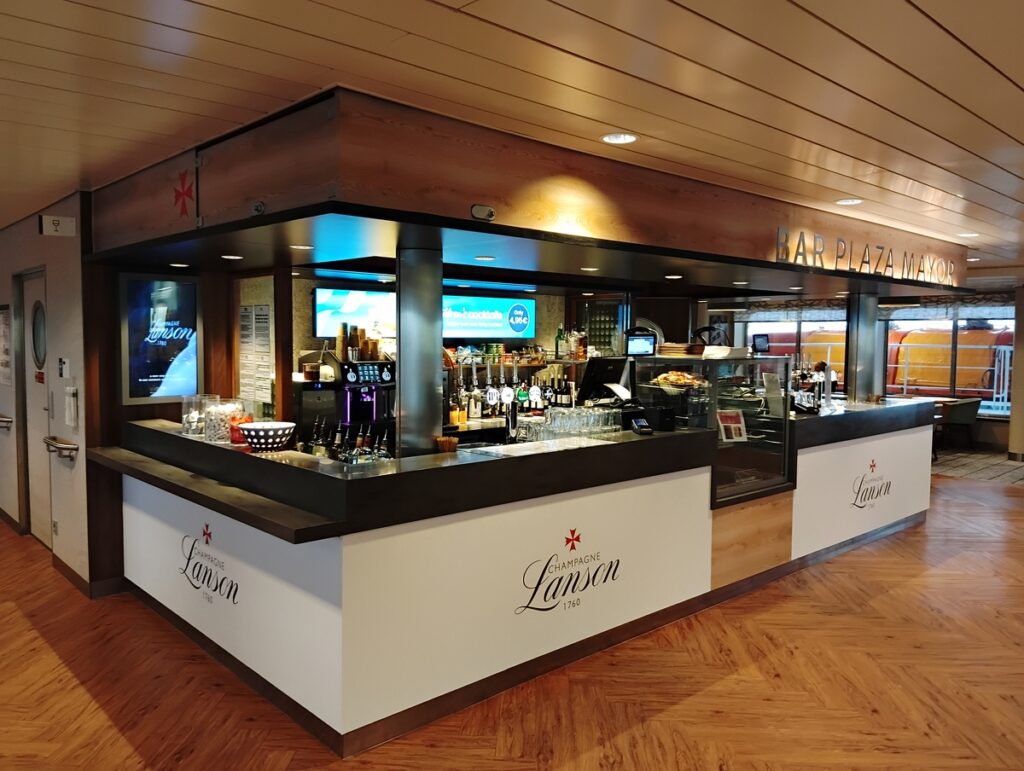
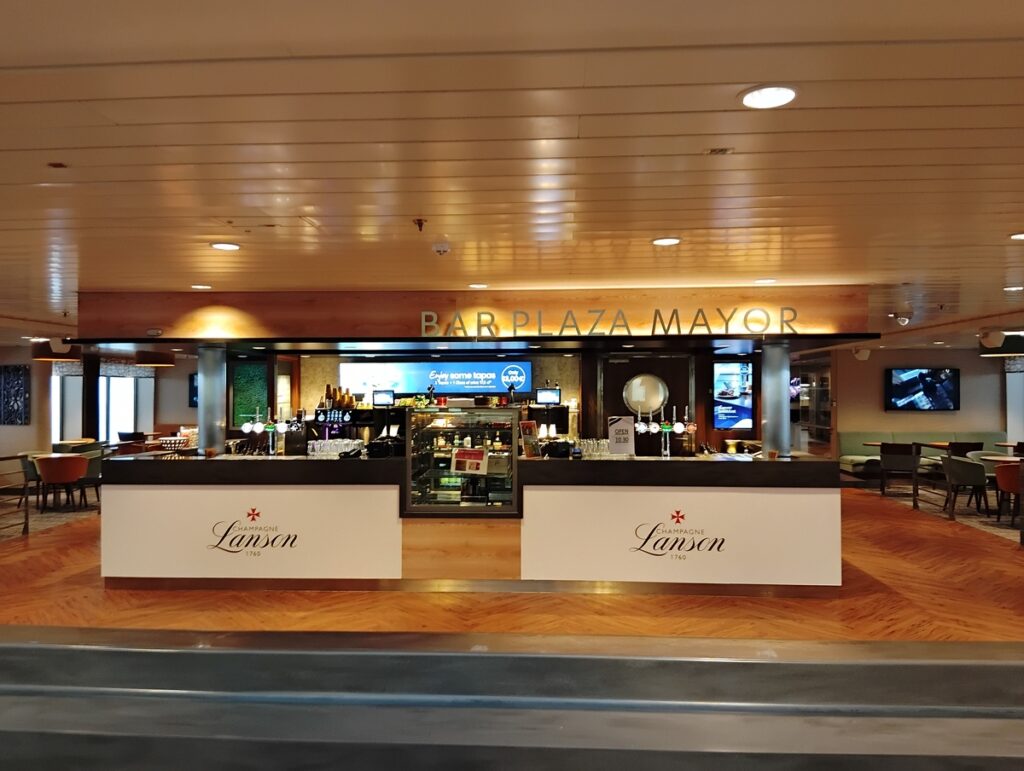
FVA: Definitely. We always say GTR mirrors domestic, which is equally true for the Champagne category as well as for Lanson. Lanson’s biggest market by far is the UK. Our business is split 15% France and 85% export markets across about 100 countries, and the UK is a significant share of it. You see this reflected with Avolta today at both London Heathrow and Gatwick airports.
ADA: Beyond the UK and Europe, where do you see the next travel retail opportunities?
FVA: Historically, Lanson has been present mostly in GTR Europe, working closely with operators such as Lagardère, Avolta and Heinemann. The potential, aside from more sales in Europe, is to expand the business in the Americas and Asia. They’re both large travel retail markets, more for spirits than Champagne, but there is room to expand where we’re not as strong today.
ADA: Is Champagne structurally disadvantaged in those regions?
FVA: Not really restricted, but operators need to make a return with the space they have and push what sells domestically, which is where travellers find the best value. In those areas, travellers can make more substantial savings on Cognac or Scotch whisky compared to Champagne.
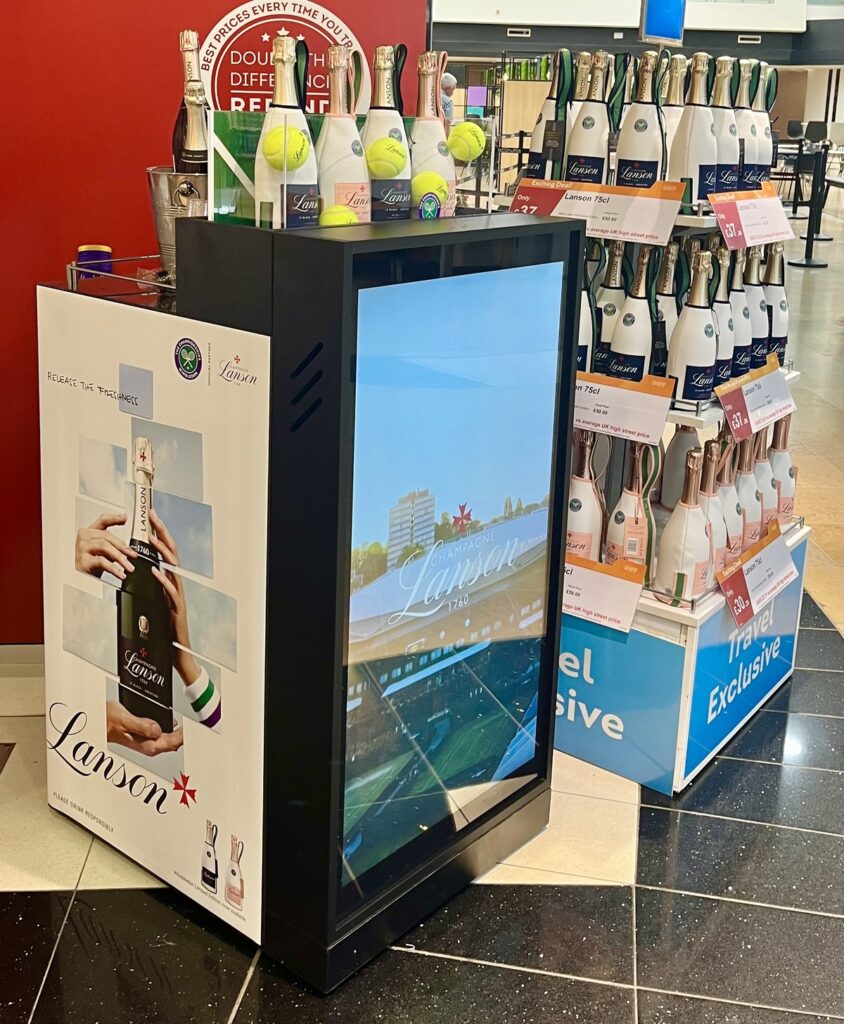
Champagne is often an impulse purchase or gift when you travel. In airports, we compete not only with other Champagne brands, but with spirits also. Beyond drinks, we also compete for a share of the spend with perfume, bags, scarves, even items such as a Hermès tie for example. So, what helps a traveller to choose Champagne and a specific brand? You need to help them make that choice through visibility, travel retail offers, and tastings in-store.
ADA: What Champagne styles are performing best in duty free?
FVA: There are two sides to Champagne offers in GTR. First is value for money on Brut Non-Vintage, which tends to be the flagship product for brands. At Lanson that is represented by Le Black Création and Le Rosé Création.
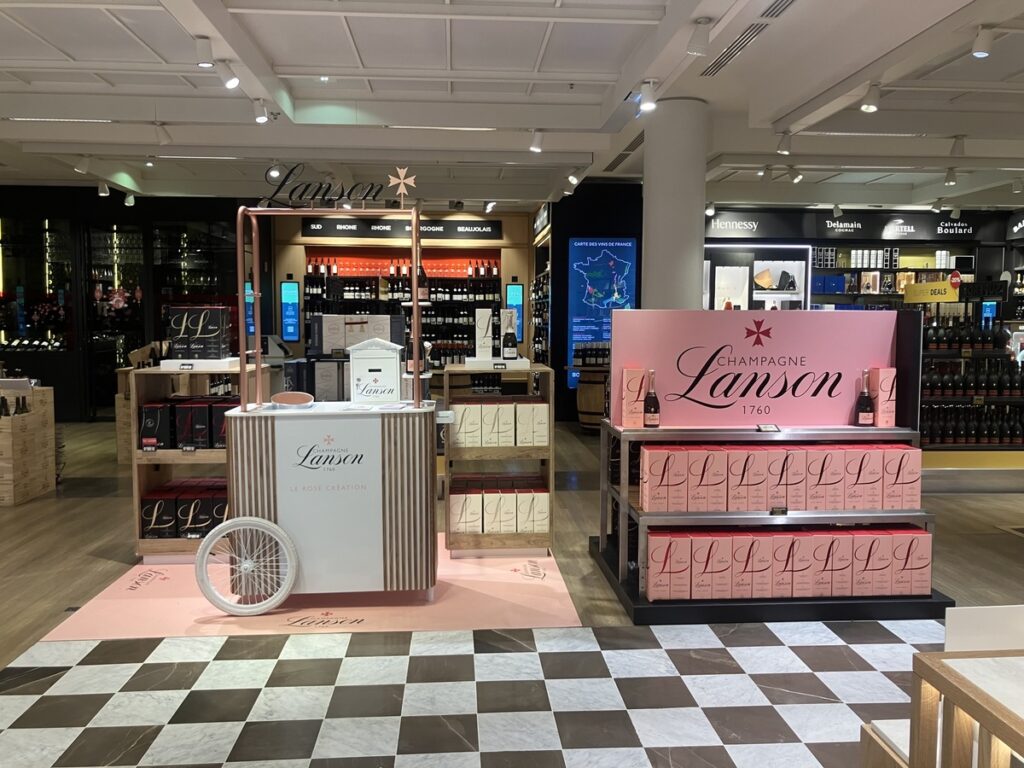
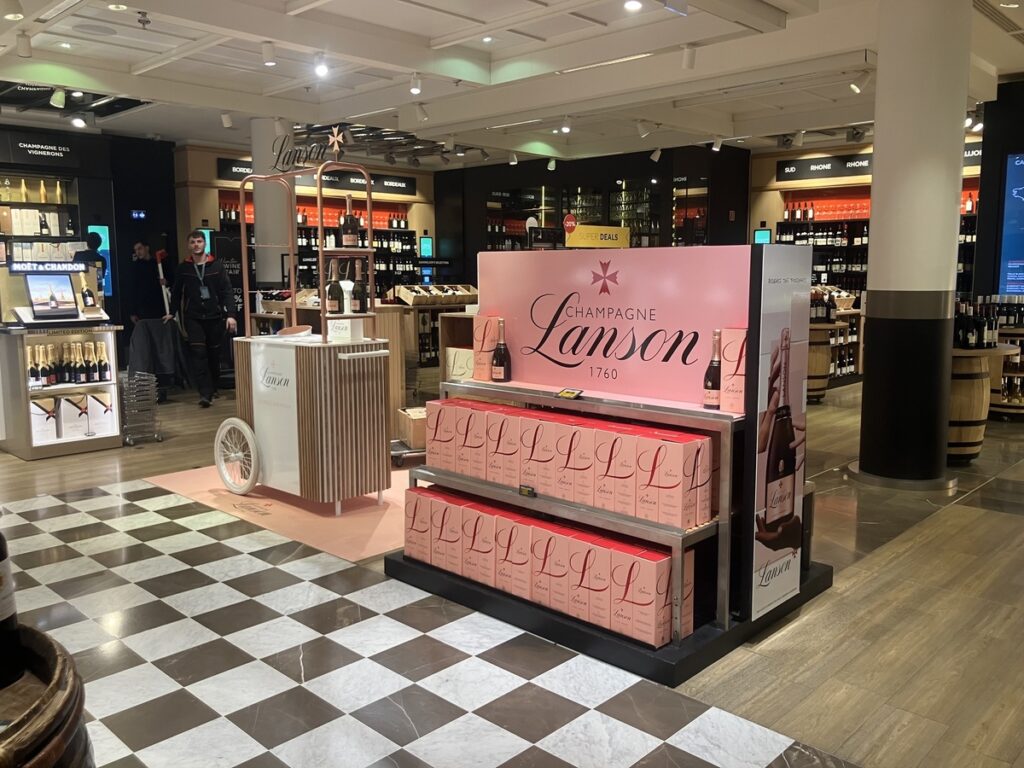
Then you have Vintages, Special Cuvées, and Noble Champagne, our Prestige Cuvée. There’s room for both: some people want the best value Brut they know; some want to trade up or buy something they can’t easily find at home.
ADA: You mentioned travel retail-exclusive packs. What are they and why do they matter?
FVA: Travellers want exclusive packs, different offers, so at Lanson we developed two exclusives for travel retail. One is a pack with quarter bottles and there is no other Champagne brand with this kind of offer at present. We also developed the twin pack. Nothing revolutionary, as we say at Lanson, we “fish where the fishes are”. People like exclusives, so we innovate every year with new ideas.
ADA: Is Champagne mainly gifting in travel retail, or self-consumption?
FVA: It could be both, but Champagne might be more gifting than self-consumption. When you travel, you go to see people, you pass security, put liquid in your bag, arrive at your destination and you gift champagne and celebrate. But some people also bring home a specific cuvée to try. We don’t have a precise percentage, but gifting is important, that’s why visibility and special offers matter.
ADA: How important is F&B versus retail (airlines, lounges, cruise)?
FVAs: We try to be present in all channels. Airport shops are the visible part of the GTR iceberg, a perfect shopping experience, with tastings, in a luxurious, safe environment. But airlines are historically a bigger business for Lanson, “Champagne Airlines” is a long love story. Business and First Class pour Champagne, and some airlines such as Air France also pour it in economy. Today, we are with Noble Champagne in First Class with some airlines. Liquid to lips is critical: people taste on board and then buy at home.
We also look at airport lounges, and other channels of GTR such as cruise, diplomatic, military, but those tenders can be extremely price driven. For large cruise lines, either you are the global market leader, or you need very aggressive pricing, which may not be commercially viable. Still, we believe global travel retail is a window to the brand, and we accept reducing our margin for the right level of exposure.
ADA: Lanson’s “Création” concept is relatively new. What does it mean, and why is it relevant to travel retail?
FVA: We launched Le Black Création in 2023 and Le Rosé Création in 2024. The idea behind it is that each year nature is providing something new with an ever changing harvest, so the cellar master recreates the Lanson style each time with a different “recipe”, working with a number of grape varieties, varying the percentage of reserve wine, and adjusting the balance of Premier and Grand Crus used. That is why each release has a number: Le Black Création is now number 259, meaning the 259th blend since 1760, based on the 2019 harvest. Le Rosé Création in turn is number 67 because Rosé started more recently in 1952. On the bottle you have the number, and on the back label you have a QR code for more technical information.
ADA: How are consumers behaving on price, are they trading down, looking for value or is there still a role for prestige?
FVAs: Both markets are important and complementary. Travellers are looking for pricing and value, so twin packs work because you get a saving. But people also want to treat themselves and buy a special cuvée. More than ever, consumers are conscious of pricing – especially with the internet and as an example, consumers in Asia check prices in real time. Champagne prices have gone up: grape costs increased about 40% in 10 years, plus dry goods, energy, and financing stock has impacted. So, we are aware that people watch prices carefully.
ADA: How do you build value beyond price?
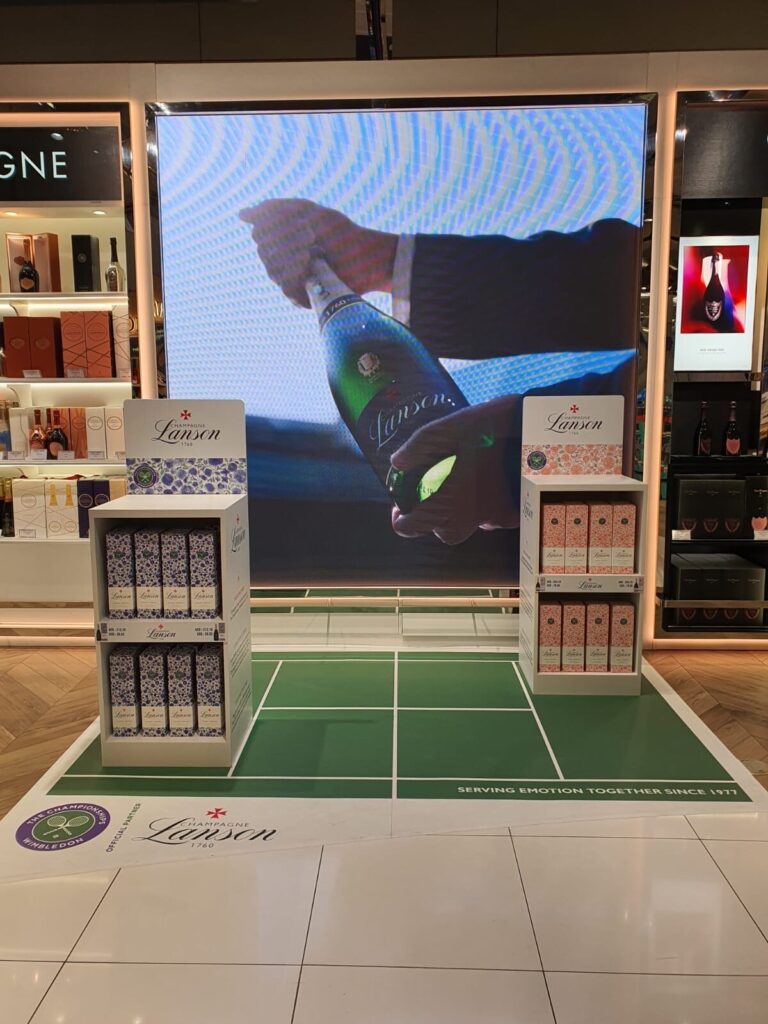
FVA: Partnerships help. Wimbledon is a major one: we celebrate 48 years of our tennis partnership with them this year, and we are the second-oldest partner after the producer of the tennis balls. We use Wimbledon branding on limited editions and activations, and it brings the brand to life. We’re already thinking about something special for the 50th anniversary.
ADA: And finally, sustainability – how is Lanson addressing it?
FVA: Lanson has been committed for more than 15 years. It began in 2010 with an organic viticulture vineyard in Vallée de la Marne over 16 hectares and a cuvée called Green Bio-Organic. We own 60 hectares and we are certified in our own vineyards, and we work closely with our grower partners as well.








To subscribe free, please enter your email address: