

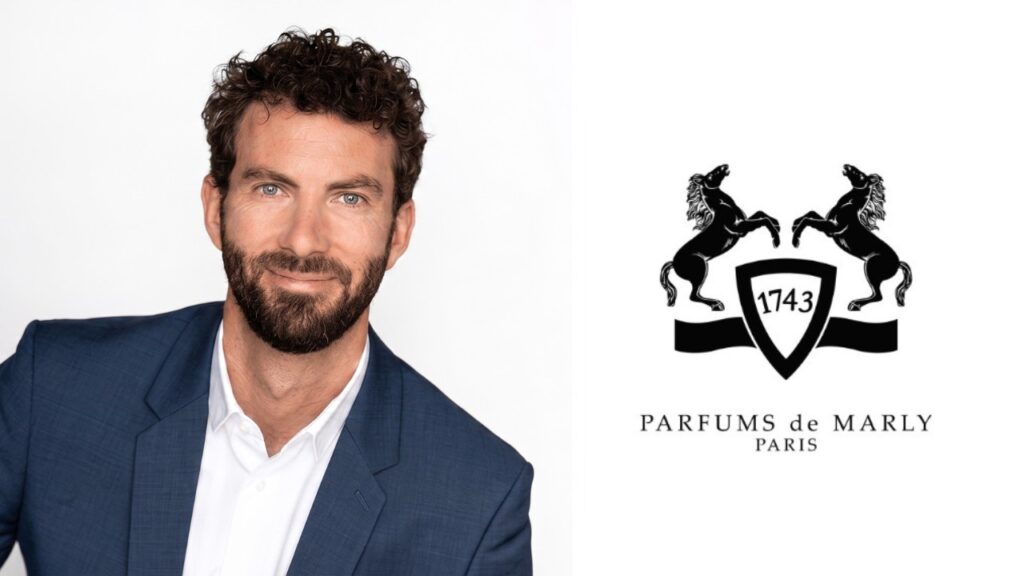
Parfums de Marly: Scaling a Niche Fragrance Powerhouse Through Travel Retail


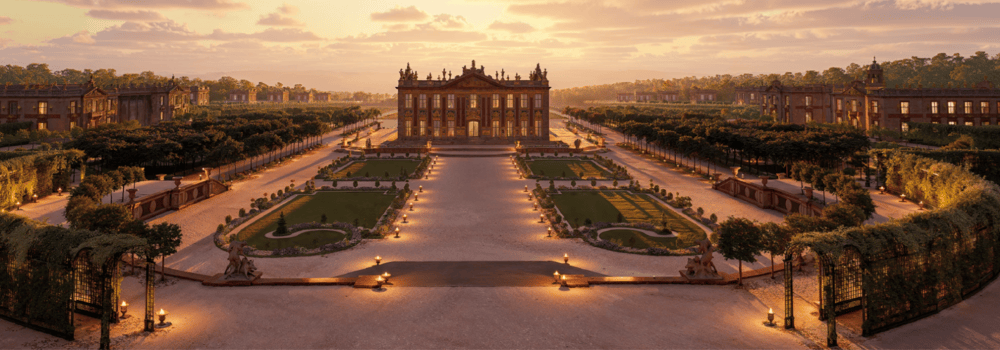
Founded in 2009 by Julien Sprecher, Parfums de Marly has emerged as one of the most dynamic players in luxury niche fragrance. Inspired by the creativity and freedom of the 18th-century Château de Marly and the “perfumed court” of Louis XV, the French Maison blends heritage with contemporary fragrances that celebrate character, creativity and modern luxury.
Today, with more than 30 fragrances and growing global visibility, the brand continues to expand while maintaining a selective, premium positioning. That growth is accelerating. Parfums de Marly is set to close this fiscal year with over US$1 billion in retail sales, with ambitions to double within three to five years – and travel retail is expected to play a major role in that next phase.
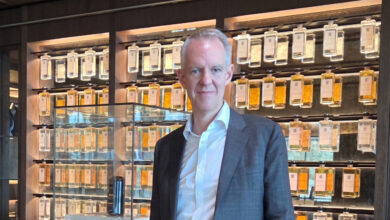
In conversation with TRunblocked.com’s Colleen Morgan, Victor Saint-Père, Chief Commercial Officer, Artessence Group, discusses travel retail’s growing influence, the power of social media – particularly TikTok – and the forces driving the continued rise of niche fragrance.
Colleen Morgan (CM): You’re responsible for building brand equity at Parfums de Marly. Where does travel retail sit in your global growth strategy – and what role does it really play for the brand today?
Victor Saint-Père (VSP): Travel retail is, for me, where Parfums de Marly truly becomes a global brand. When a consumer walks through Roissy Charles de Gaulle, Dubai Duty Free or Istanbul Airport and sees Parfums de Marly prominently displayed alongside the world’s most recognised luxury houses, that’s when the brand’s global stature becomes tangible – both to them and to us. It’s not just a sales channel. It’s a statement of who we are.
Today, Parfums de Marly has over 200 points of sale in travel retail across 68 countries, with exceptional sell-out growth – a +49% CAGR since FY23.
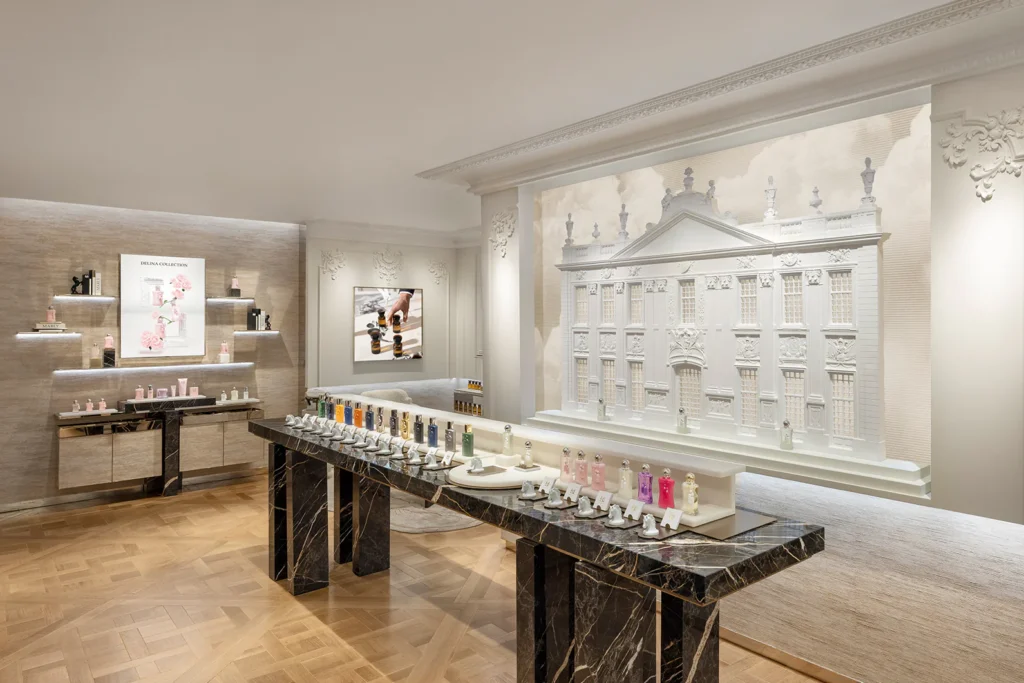
But beyond the numbers, what drives me is the quality and ambition of our presence. We started with gondolas and backwalls. Now we are rolling out major backwall-plus-gondola installations and our first shop-in-shops in key global hubs.
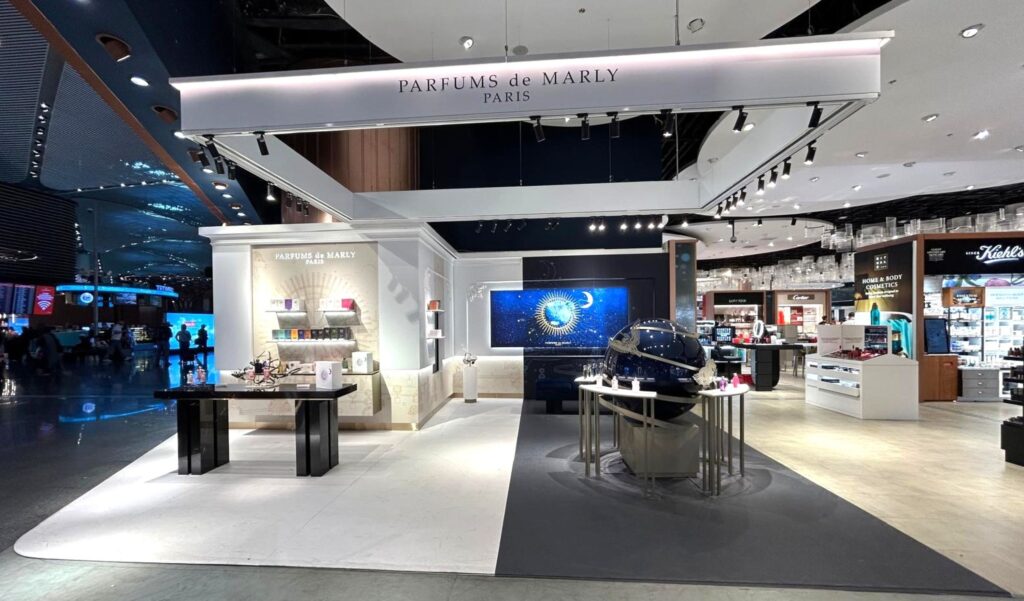
Our biggest festive animations were in airports: Istanbul for three months, reaching 15 million passengers, and Barcelona for three months, reaching 7 million passengers.
That level of visibility, in those environments, is how Parfums de Marly cements its place as a truly global luxury niche fragrance house.
CM: Travel retail offers scale and global visibility. How do you ensure Parfums de Marly retains its niche identity in that environment?
VSP: Location and format are everything. A niche brand placed anywhere in an airport is not the same as a niche brand placed in exactly the right spot, with the right level of presence and experience. Our approach to travel retail is deliberate and tiered: we open only where a true niche environment exists.
In terms of tiers, we are focusing on key airport hubs, with personalised Parfums de Marly backwalls and dedicated trade marketing activations. Top strategic hubs – New York, Miami, London, Zurich, Frankfurt, Seoul and Kuala Lumpur – receive full backwall-plus-counter installations, gifting experiences and dedicated beauty consultants.
Festive animations in Istanbul, Frankfurt and Barcelona perfectly illustrated this approach. These were not generic duty-free placements. They were fully branded, immersive Parfums de Marly moments, seen by a combined 30 million passengers.
That is how a niche brand builds image at scale without compromising its identity.

 CM: Parfums de Marly is a niche brand with global reach. How do you grow internationally without losing exclusivity and sense of discovery?
VSP: Our principle has always been to build the local market first, and only then open the airports. That sequencing is not accidental – it is strategic. When a traveller encounters Parfums de Marly at an airport, we want them to discover a brand that already has depth, credibility and desirability in that market. If the airport comes first, the brand risks feeling like a tourist product. If the local market comes first, the airport feels like confirmation of something real and enduring.
Asia is the clearest illustration of this philosophy. We entered Asia more recently, during COVID, and wanted to establish Parfums de Marly on solid ground before moving into travel retail.
Now, that moment has arrived. We are opening in Singapore, Shanghai and Bali Airport, while in Seoul – through Shilla and Shinsegae – we are already well established.
Each of these openings lands differently because the brand already has gravity in the market.
CM: Heritage is central to Parfums de Marly. Is there a risk it becomes a crutch rather than a differentiator?
VSP: Heritage is only powerful when it is alive and forward-moving. The Château de Marly was not a place of nostalgia – it was one of the most forward-thinking, avant-garde environments in 18th-century France. Louis XV’s inner circle gathered there to escape convention and celebrate beauty without rules.
That is the creative DNA of Parfums de Marly, and it is anything but backward-looking.
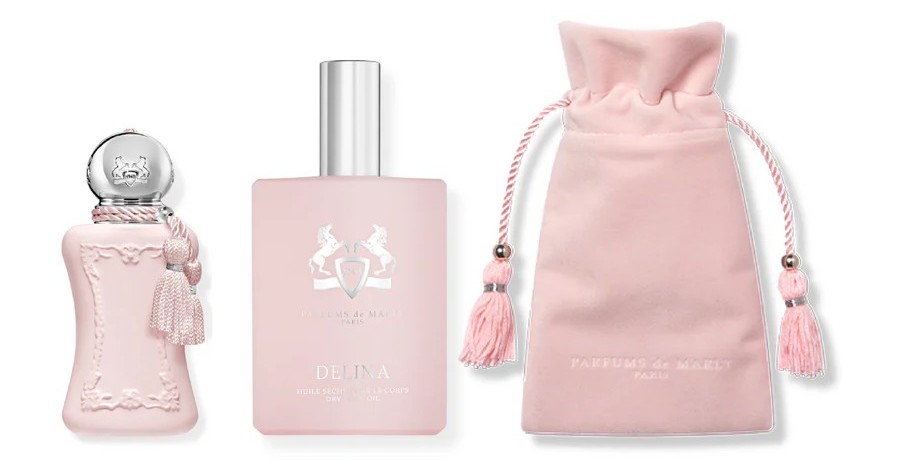
Our new brand signature, ‘A Nul Autre Pareil’ – Beyond Compare, captures this perfectly. It is a declaration of singular identity, not a tribute to the past. Every fragrance we create is an exercise in creative disruption: unexpected ingredient combinations, compositions that defy categorisation, and bottles that challenge category codes.
Heritage becomes a crutch the moment it replaces creativity. At Parfums de Marly, it fuels it.
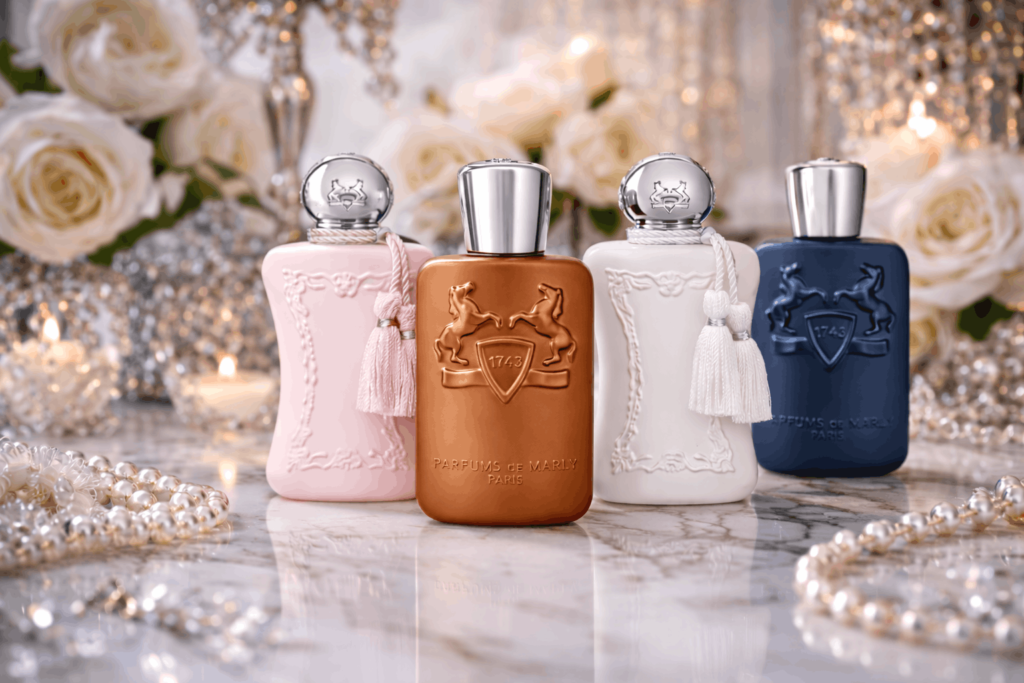
CM: Fragrances like Delina, Delina Exclusif and Valaya have developed almost cult followings. What turns a fragrance into a true icon, rather than just a strong seller?
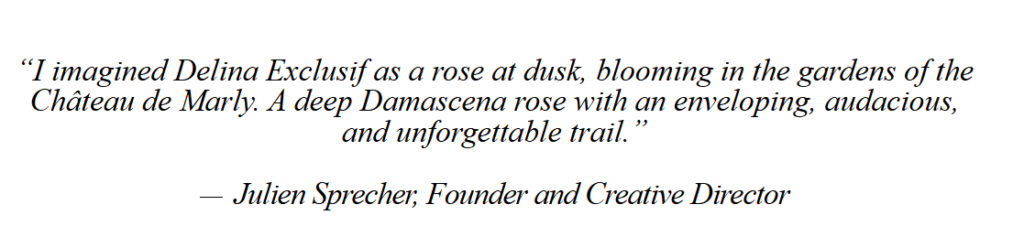
VSP: Icons are built on two things: genuine surprise and permanence. Delina succeeded because it delivered something genuinely rare – a feminine floral with unexpected power and sillage, built around an extraordinary rose damascena and lychee accord that shouldn’t work the way it does, and yet feels completely inevitable once you experience it.
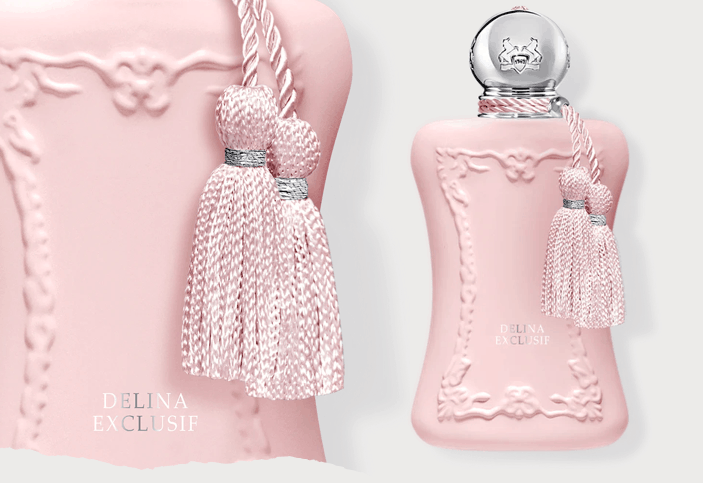
That initial surprise creates emotional attachment, which sustains a fragrance over years, not seasons.
Valaya is following the same trajectory. It became our third best-seller within two years of launch and is closing the gap on Delina.
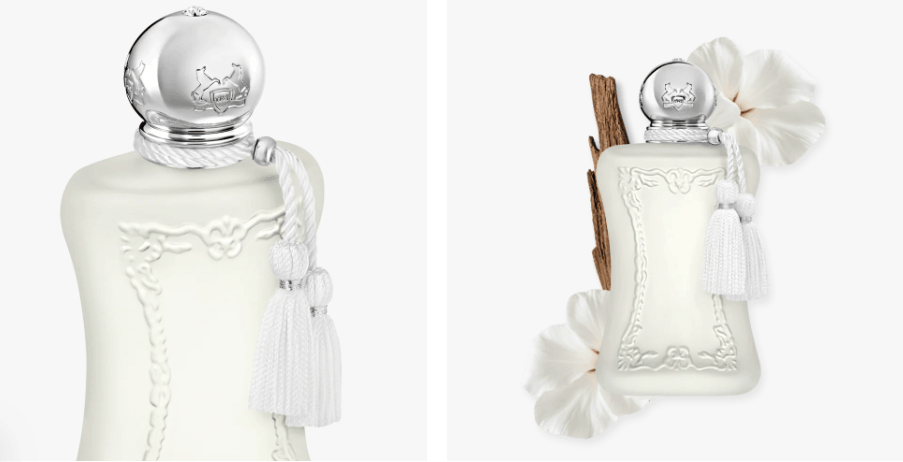
What Parfums de Marly never does is retire a fragrance prematurely. As long as it has sell-out momentum and emotional relevance, it stays in the collection. That permanence is part of what builds iconicity. You cannot build a legend on a limited edition.
CM: Your travel retail presence appears deliberately selective. How do you balance visibility with scarcity in a channel built on volume?
VSP: The key metric for us is image and sell-out, not number of doors. As we invest in upgrading image presence, productivity per door has risen dramatically.
Dubai Duty Free is the clearest proof. Parfums de Marly closed 2025 as the number one niche fragrance brand there, ahead of Creed, Amouage and Maison Francis Kurkdjian – brands that have been in the channel far longer than we have. Europe has also been a major growth story, working closely with partners including Heinemann, Avolta and Lagardère.
Selectivity and ambition are not opposites. You can be ambitious while remaining highly selective about where and how you show up.
CM: What has changed in how consumers discover fragrance?
VSP: Two things. First, the relationship people have with fragrance itself. Our parents kept one bottle on the dresser for life. Today’s consumer – and they are getting younger every year – builds a wardrobe of scents, matching a fragrance to a mood, an occasion, an identity. This wardrobing behaviour has opened the category to an enormous new audience.
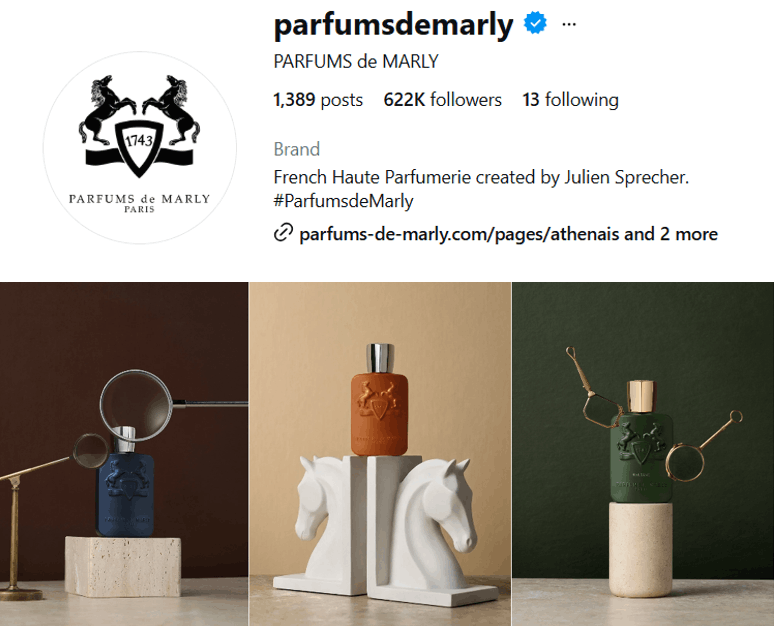
Second, social media has democratised discovery. On TikTok and Instagram, a teenager in São Paulo or Seoul can develop fragrance expertise online and arrive at a duty-free counter already knowing what they want.
That connection between the digital journey and the travel retail moment is one of the most powerful dynamics I see in this channel. Consumers increasingly come to us in airports – they don’t stumble upon us; they seek us out.
CM: Social media – particularly TikTok – can see a fragrance go viral overnight. Does viral success build long-term brand equity?
VSP: The key distinction is organic versus manufactured virality. Most content about Parfums de Marly is not paid; creators talk about the fragrances because they love them. That is a fundamentally different dynamic from a brand that buys its way into a trend cycle. Organic love compounds; manufactured buzz fades.
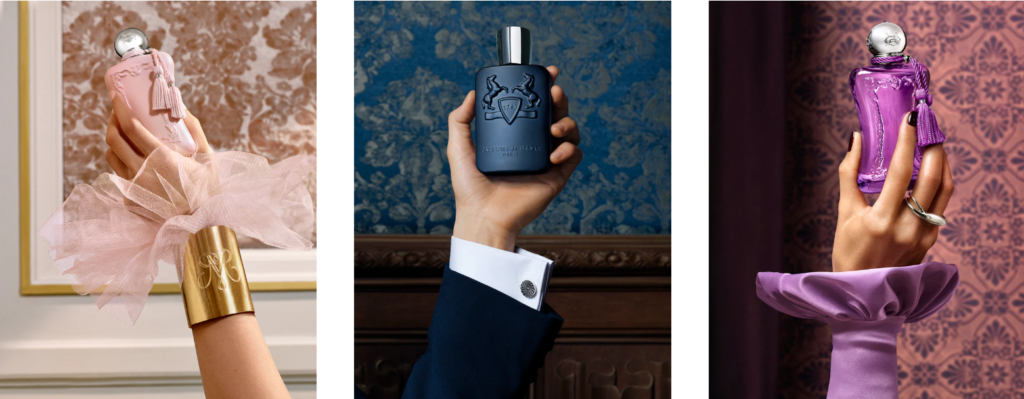
Layton, Delina, Althaïr and Valaya are still strong performers years after going viral. They are building blocks of the house, not flash-in-the-pan moments. And what I find particularly interesting from a travel retail perspective is how social media is now actively driving airport traffic. The digital and physical journeys are deeply connected for this generation.
CM: Niche fragrance has moved rapidly into the mainstream. Is that momentum sustainable – or is there a risk the very idea of ‘niche’ starts to lose its meaning?
VSP: The ‘niche’ label has always mattered less to us than the substance behind it: exceptional raw materials, no compromise on composition, a price positioning that reflects genuine quality, and distribution that preserves desirability. That substance does not dilute with scale – it either holds or it doesn’t.
The niche segment has grown from roughly 5% of the global fragrance market 15 years ago to 16–18% today, actively cannibalising the prestige segment.
That growth reflects a structural shift towards individuality and authenticity. What we will see is natural selection: brands built on creativity, quality and restraint – like Parfums de Marly – will endure.
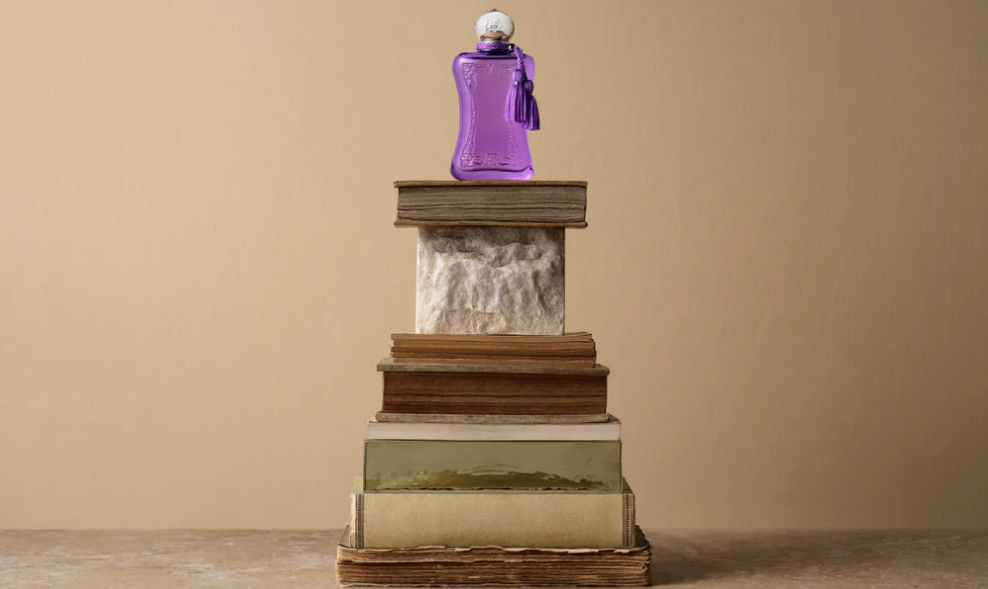

CM: Looking ahead, where next for Parfums de Marly, and what role will travel retail play in that journey?
VSP: Parfums de Marly will close this fiscal year with over US$1 billion in retail sales, with ambitions to double within three to five years. Travel retail will be a major driver of that growth – and the acceleration is already visible.
In Europe, we are continuing to invest in major hub presence such as Heathrow and Roissy Airports. In the Americas, we are expanding across both North America and Latin America. And in Asia – which is the most exciting new chapter – we are opening a sequence of strategic airports right now, building on the strong foundation of our local presence.
The philosophy remains consistent: establish real brand desirability in the local market first, then bring Parfums de Marly into the airports with the full weight of that desirability behind it. Travel retail done this way is not just a revenue channel. It is where a niche brand becomes, permanently and undeniably, a global brand.










To subscribe free, please enter your email address: