

From Vineyard to Departure Gate: AdVini’s Vision for Travel Retail Wine


There are few better ways to understand a wine – and the company behind it – than to stand where it begins.
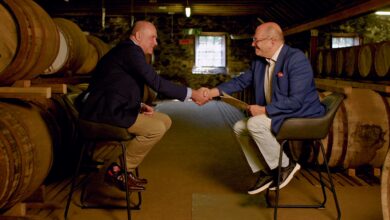
After two days with the AdVini team in Burgundy and Chablis – walking the vineyards of Laroche and exploring the historic cellars of Maison Champy – one impression remained for TRunblocked.com’s Contributing Editor, Colleen Morgan: this is a company built not simply on exceptional wines, but on exceptional people. Conversations with winemakers, vineyard managers, cellar masters and executives revealed a shared passion for terroir, craftsmanship and heritage – qualities that underpin every bottle and AdVini’s ambitions in global travel retail.
Against that backdrop, Colleen sat down with Ieva Olina, Key Account Manager Travel Retail & Export Markets, Léa Colin, Sales Manager, and Lauranne Lacombe, Head of Marketing, to discuss everything from terroir and storytelling to premiumisation, sustainability and the future of wine in travel retail.

Colleen Morgan (CM): Having visited both Laroche and Maison Champy, I was struck by the breadth of the AdVini portfolio. What role does travel retail play in showcasing that diversity internationally, and where do you see the biggest opportunities for growth?
Ieva Olina (lO): Travel retail is much more than a sales channel for AdVini. It’s one of the world’s most powerful discovery platforms, bringing together travellers from around the globe who are looking for authentic products that reflect the places they’re visiting.

Our portfolio allows us to showcase iconic estates such as Laroche in Chablis and Maison Champy in Burgundy, while introducing travellers to regions they may know less well, including the Languedoc and Rhône Valley.
The greatest opportunity lies in premiumisation through education. Travellers increasingly seek provenance, authenticity and the stories behind the wines they buy. Travel retail creates that first emotional connection, one that often continues long after the journey ends.
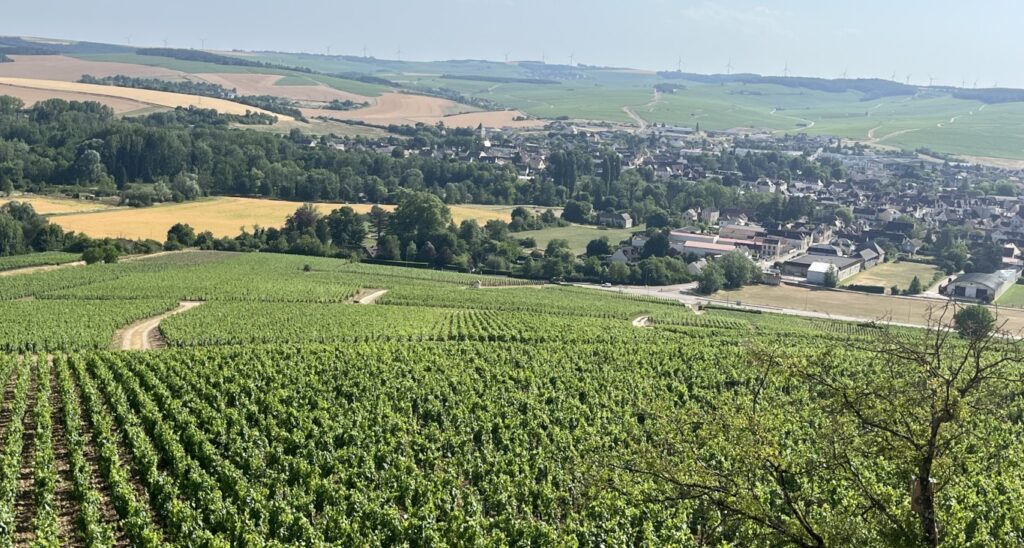

CM: One thing that stayed with me after visiting both estates was the passion, pride and persistence of the people behind the wines. How do you translate those very human stories into a travel retail environment where travellers have only a few minutes to choose a bottle?
Léa Colin (LC): This is one of our biggest challenges – but also one of our greatest opportunities.
A traveller may only spend two or three minutes in front of the wine shelf, so every element has to work together. Packaging, visual merchandising, storytelling, digital content and knowledgeable brand ambassadors all help convey the personality behind each wine.
We don’t try to explain centuries of history. Instead, we focus on three things: who made the wine, where it comes from and what makes it unique.

Where possible, we bring our estates to life through tastings, food pairings, immersive displays and digital experiences that encourage travellers to explore further. Even in a brief interaction, we want people to feel they’re taking home a piece of French culture, not simply a bottle of wine. Ultimately, people connect with people before they connect with brands.
CM: Standing in the vineyards, it became clear that every wine begins with a sense of place. How do you communicate that idea of terroir to travellers?
Lauranne Lacombe (LL): Terroir can sound abstract, especially to those new to wine. Our role is to make it tangible and accessible.
Rather than talking about geology or appellations, we explain terroir through the experience in the glass: why Chablis is known for its freshness and minerality, or why Burgundy Pinot Noir is prized for its elegance and finesse.

Visual storytelling brings that message to life. Photography, vineyard imagery and digital content help travellers understand where a wine comes from, while immersive experiences take them on a journey through Burgundy without leaving the airport.
We believe in simplifying the message without oversimplifying the wine. Rather than overwhelming travellers with technical detail, we answer simple questions: “What will I enjoy in this glass – and why does this place make it taste this way?”
CM: Both estates balance centuries of heritage with a very modern outlook. How do you preserve that authenticity while keeping the brands relevant for today’s international traveller?
(LC): Authenticity doesn’t mean staying frozen in time. The wine remains authentic; the storytelling evolves. Today’s travellers expect transparency, sustainability and premium experiences, and our role is to meet those expectations while staying true to the identity of each estate.
Sustainability is a good example. Across AdVini, our vineyards are certified under recognised environmental programmes, reflecting our long-term commitment to responsible viticulture and environmentally friendly winemaking.
Whether someone discovers our wines at an airport, in a lounge, on board or on a cruise, the question that matters is simple: “Did you enjoy both the wine and the experience?”
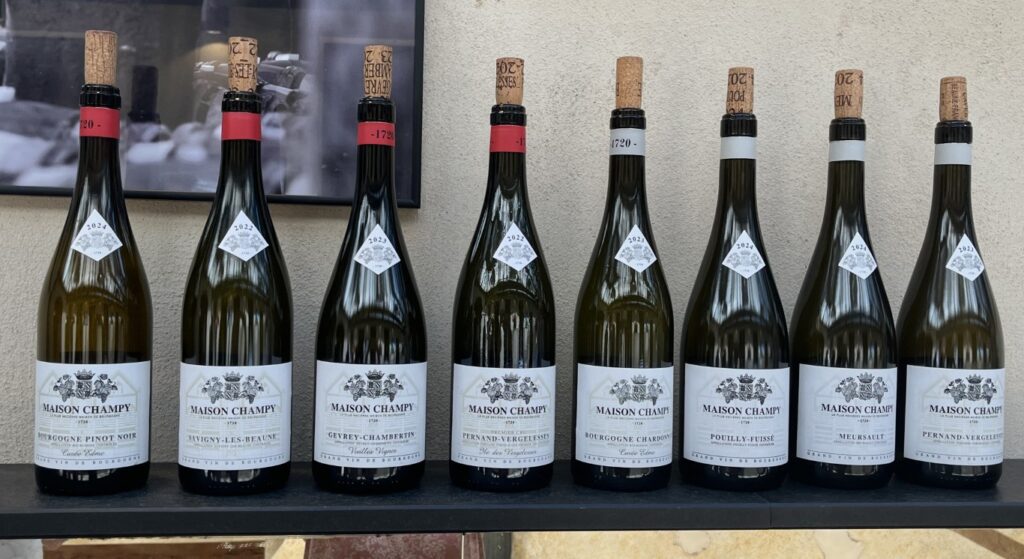

CM: Wine has traditionally played a supporting role to spirits in travel retail. Are traveller expectations changing, and what opportunities do you see for premium wine brands?
(IO): Yes, expectations are changing. Travellers are increasingly looking for meaningful purchases rather than simply transactional ones. Premium wine meets that demand through craftsmanship, provenance, culture and gifting value.
We’re also seeing growing interest in regional authenticity and food experiences, which play to the strengths of French wine.
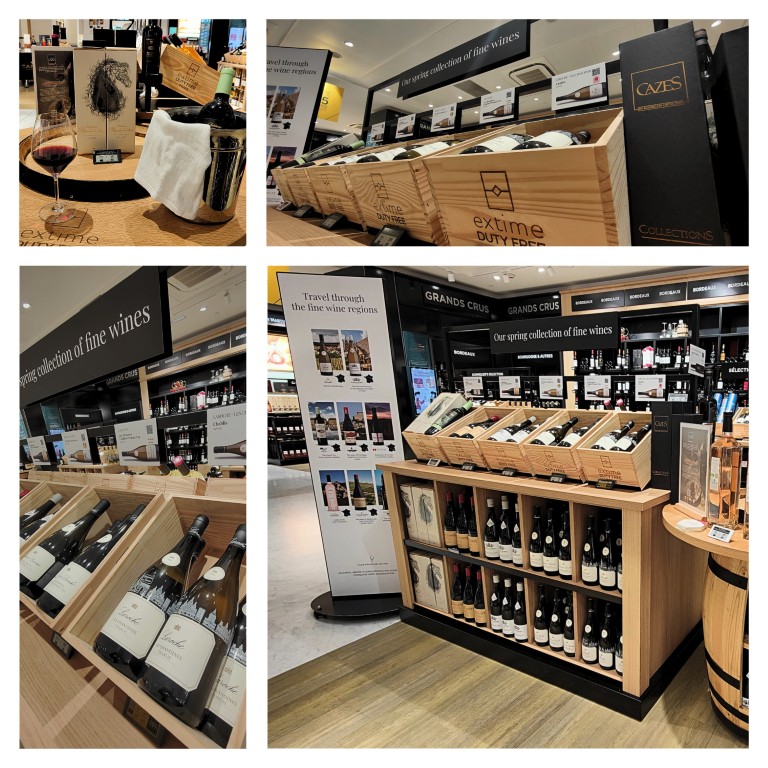 The category still has significant headroom in travel retail. Spirits have led the way in experiential retail, but wine has an equally strong opportunity through richer brand experiences, innovative packaging and gifting, supported by one of its greatest strengths: the diversity of French terroirs and wine styles.
CM: Consumer expectations are evolving rapidly, particularly among younger travellers. What trends do you believe will shape the future of premium wine in travel retail, and how is AdVini responding?
LC: Younger consumers are less interested in prestige for its own sake and more interested in authenticity, sustainability and personal discovery.
They also expect information to be immediate and easy to access. Our role is to take them on a journey through the vineyards, introducing them to the people behind each estate through immersive content, guided tastings and digital tools that extend the experience beyond the purchase.
We’re responding by highlighting the individuality of each estate, our environmental commitments and the people behind our wines, rather than promoting a one-size-fits-all brand message. Premiumisation remains important, but emotional value is becoming just as significant as price.

CM: The wine industry is welcoming a new generation of talent with fresh ideas and different perspectives. As someone from that generation, how important is it to embrace new thinking while respecting centuries of winemaking tradition?
LC: The future of wine depends on striking the right balance between tradition and fresh thinking. Heritage gives us credibility, but innovation keeps us relevant.
We’re fortunate to have experienced winemakers working alongside younger colleagues who bring fresh perspectives on sustainability, consumer engagement and digital communication. The best ideas come from that exchange between experience and curiosity.
Innovation and tradition should never be seen as opposites. They’re strongest when they work together.
CM: Looking across the AdVini portfolio, which estates or wine regions do you believe offer the greatest opportunity in travel retail over the next few years, and why?
LL: Burgundy and Chablis remain exceptional opportunities as global demand for premium wines from both regions continues to grow. Laroche benefits from the worldwide recognition of Chablis, while Maison Champy embodies the heritage and elegance of Burgundy.

We’re also seeing growing interest in our Southern French estates as travellers become more curious about regions offering authenticity, quality and value. The Rhône and Provence are particularly exciting. L’Oratoire des Papes has become the best-selling wine with one of our travel retail partners, while Château Gassier’s rosés reflect growing demand for fresher wine styles, especially in summer.
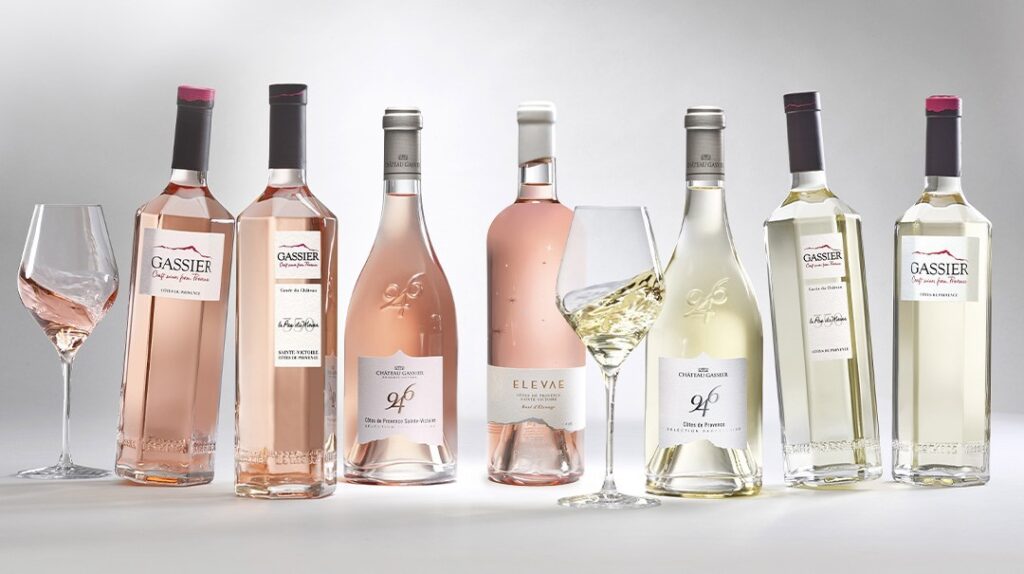
The strength of AdVini’s portfolio is its diversity, allowing us to meet different traveller tastes, occasions and price points while showcasing the richness of French wine.

CM: What is the biggest misconception people in travel retail still have about wine, and what needs to happen for the category to realise its full potential?
IO: Perhaps the biggest misconception is that wine is too complicated for travel retail. In reality, travellers are interested in wine – they simply need the confidence to choose.
That’s why our focus is on making wine easier to discover, not simpler. Clearer storytelling, intuitive packaging and engaging experiences help travellers understand what they’re buying, even when time is limited.
Today’s premium is about much more than price. Travellers are looking for provenance and memorable experiences, while sustainability has become an expectation rather than a differentiator.
Wine doesn’t need to become simpler – it needs to become easier to discover.
CM: If we were sitting down together in 2028 and your travel retail strategy had exceeded expectations, what would success look like – for AdVini and for the wine category?
IO: For us, success wouldn’t simply be measured by sales. We’d like to see more travellers choosing French wine with confidence and viewing it as an essential part of the travel retail experience.
French wine benefits from an exceptional combination of heritage, diversity and global recognition. But heritage alone is no longer enough. Today’s consumers also expect accessibility and relevance.

We’re investing in stronger brands, clearer communication and innovation that makes French wine more approachable without compromising its authenticity.
Ultimately, success will come from preserving the richness of our wine culture while making it easier for travellers to engage with it. If we can achieve that, we’ll have created lasting value for both AdVini and the wine category.
CM: After two days in Burgundy and Chablis, one thing stayed with me: behind every bottle is a story worth telling and I believe travel retail has a real opportunity to tell it better.








To subscribe free, please enter your email address: