


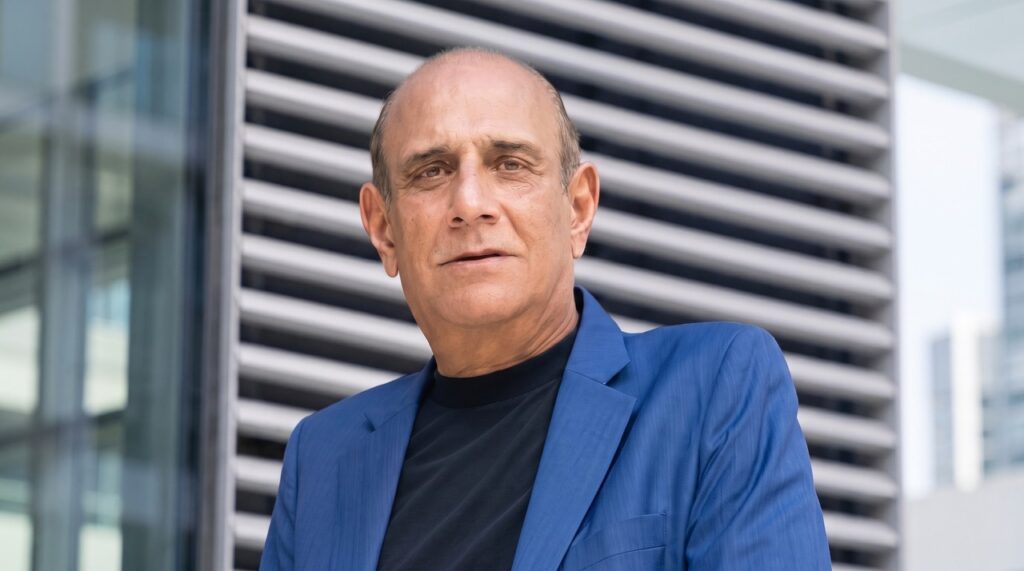
Sunil Tuli: The Long View


After 42 years in travel retail, Sunil Tuli has earned the right to look back. But experience is only useful if it doesn’t stop you learning.
In this rare and unusually personal conversation with TRunblocked.com’s Colleen Morgan, the APTRA President and King Power Group CEO reflects on an industry still capable of reinvention, the extraordinary potential of India, the lessons of leadership – and the mountain that taught him you can’t sprint to the summit.
Colleen Morgan (CM): CM: Sunil, more than 42 years is a long time in any business, let alone one that has changed as dramatically as travel retail. What is it that still excites you about the industry?
Sunil Tuli (ST): Yes, I’m 42 years in the business. I started in the industry in 1984 with the India Tourism Development Corporation running duty free shops at five international airports in India. I then joined Weitnauer (now Avolta) where I left as COO for Asia Pacific and Middle East, in 1991, and later joined King Power in 2003.
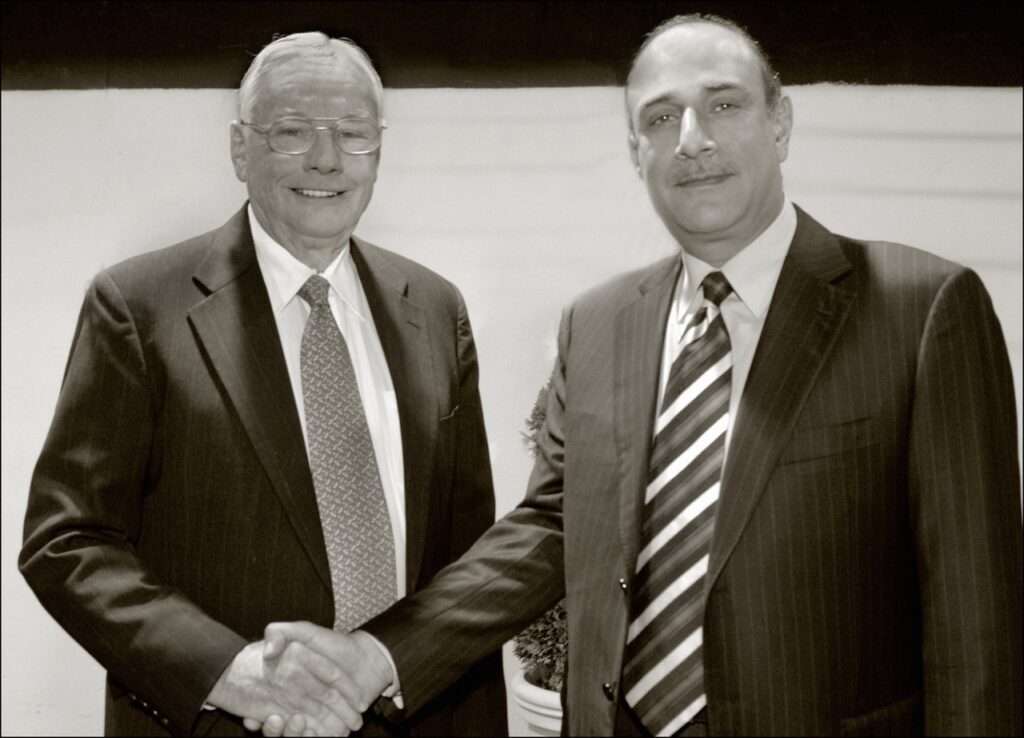
What excites me about travel retail hasn’t really changed, even if everything around it has: it’s the people and multiculturalism. It’s a ‘people industry’ – from my first trip to Cannes in the 1980s representing the Indian Tourism Development Corporation through to today.
What energises me now is watching an entirely new chapter unfold, particularly in emerging markets, where we’re not just recovering old ground but genuinely building something with new international consumers.
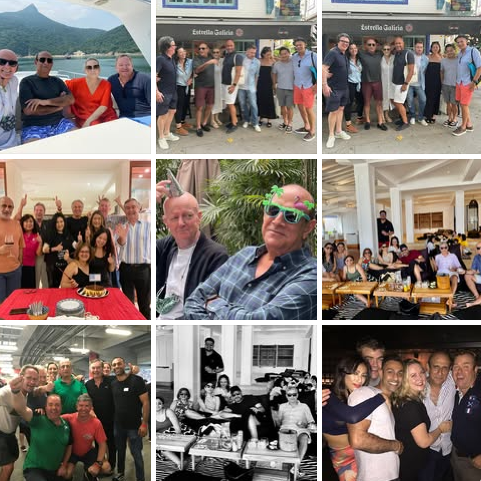
Being part of an industry that’s continually transforming, with markets at different stages of maturity, is what still gets me up in the morning.
CM: Looking back over more than four decades, has your definition of success changed?
ST: Early on, success was about growth – scaling stores and categories, winning new locations.
Over time, especially through my years with APTRA, it’s become more about legacy and contribution: helping build an industry that’s more resilient, more representative and better connected to the communities it serves.
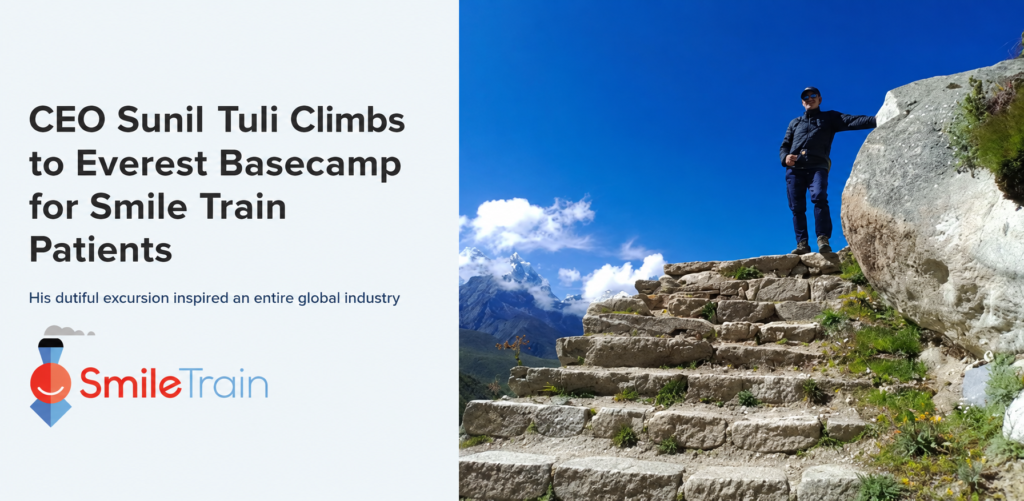
I measure success today as much by what I’ve helped others achieve – whether that’s helping a market like India get a fairer regulatory hearing, supporting a cause such as Smile Train, or raising funds for cancer research – as by what I’ve achieved commercially.

CM: In a world that’s becoming increasingly digital and data-driven, is the human element still travel retail’s greatest strength?
ST: Data and digital tools have made us smarter about what the traveller wants, but they haven’t significantly changed why they buy or the role of retail ambassadors in humanising the shopping experience.
Travel retail has always been about a sense of connection in an otherwise functional travel journey. If anything, in a world where so much retail has become anonymous, the human element and the value of a memorable experience are now our points of difference.
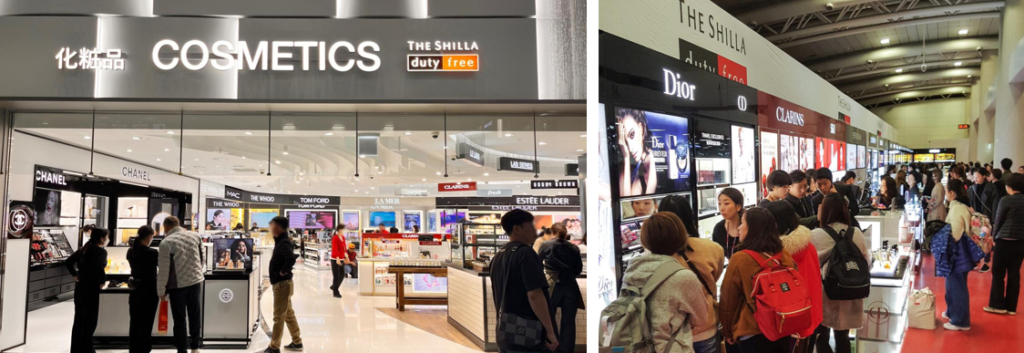
CM: Travel retail has shown remarkable resilience over the years, but has it always been ambitious enough? Are we sometimes too quick to celebrate recovery rather than challenge ourselves to reinvent the industry?
ST: We’re very good at telling the recovery story – passenger numbers back to a given percentage of pre-pandemic levels, revenue per head up again. But recovery isn’t the same as reinvention, and I think we’re sometimes guilty of celebrating the former as if it were the latter.
I believe 2026 is one of those genuine inflection points for our industry, where the centre of gravity is shifting – towards emerging markets, new traveller behaviours prioritising experience and discovery over transaction and price, and categories we wouldn’t have prioritised a decade ago.
CM: Experience can be a great teacher, but it can also reinforce old habits. What have you had to unlearn to keep evolving as a leader?
ST: Forty-plus years teaches you a huge amount, but it can also make you over-confident that a playbook which worked in one market or one decade will work in the next.

Emerging markets today don’t behave like China and Europe in their early days, and today’s traveller – younger, more digitally fluent, more value-driven – doesn’t behave like the traveller I built my early career around.
Staying useful has meant staying genuinely curious and being willing to learn from people who are much earlier in their careers than me.
CM: India is widely regarded as one of the industry’s most exciting long-term opportunities. Beyond the impressive passenger numbers, what gives you confidence that this market is on the cusp of something truly transformational?
ST: The passenger numbers alone are extraordinary. India’s aviation sector is projected to handle around 800 million travellers annually by 2030, rising beyond two billion by 2047.
But the numbers were never really the question for me.
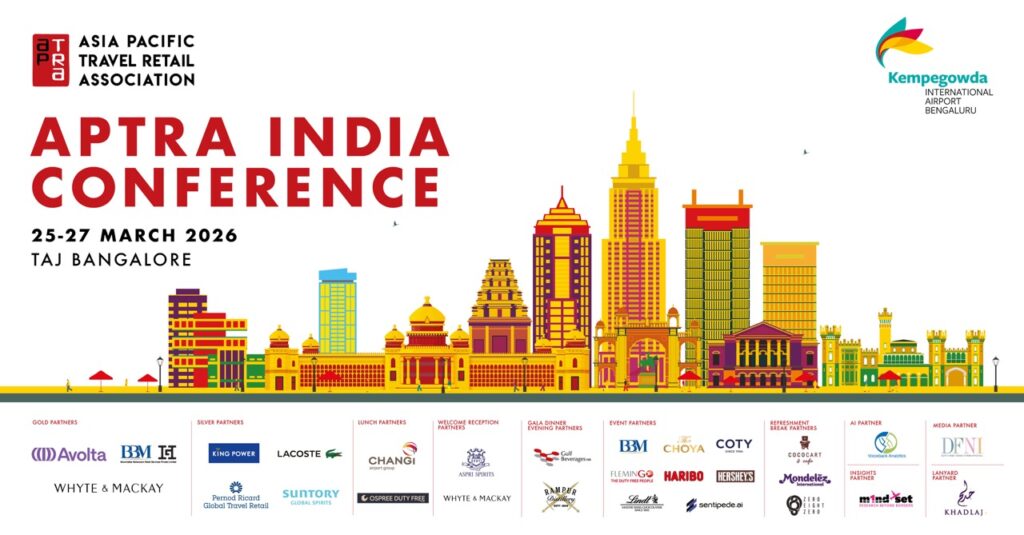
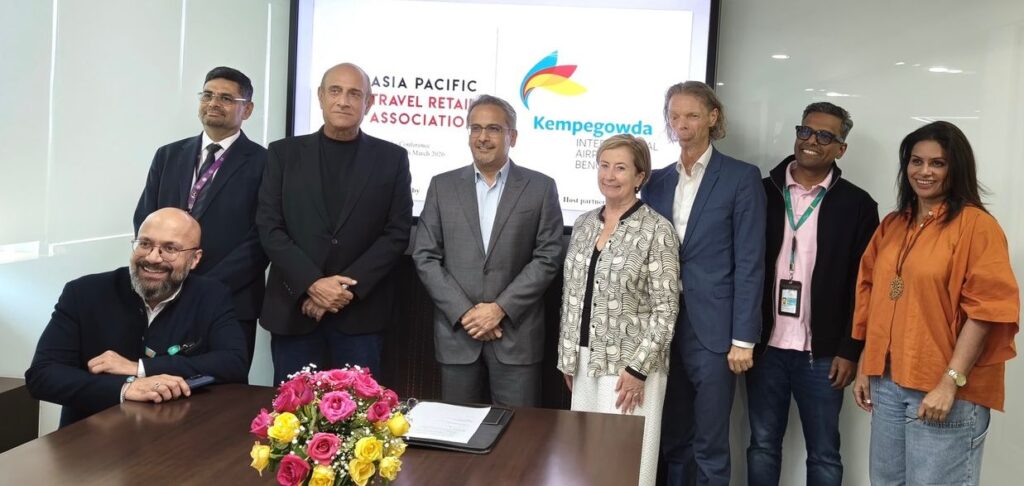
What convinces me this is transformational is what’s happening around those numbers: the democratisation of air travel is bringing with it a democratisation of premium retail, opening the door to new revenue generation and giving operators the chance to scale quickly.
We’re also seeing genuine regulatory progress, with the arrivals duty-free allowance increased by 50% this February, and retailers already reporting a positive consumer appetite to buy more on arrival. As global hubs face their own capacity constraints, India is well positioned to become a dependable east-west gateway.
That combination of infrastructure investment, policy movement and consumer appetite makes this feel like a genuine inflection point, not just incremental growth.
However, the industry must understand the uniqueness of India. Per capita income is around 20% of China’s, so we need to consider its full potential as a long game – perhaps 20 years. There’s no question, though, that it’s the most exciting market today.
CM: Away from the boardroom, you’re a passionate climber. Are there lessons you’ve learnt on a mountain that have shaped the way you lead in business?
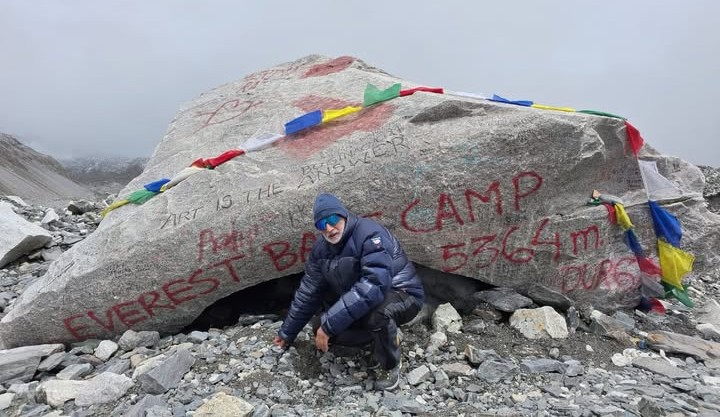
ST: Climbing to Everest Base Camp in support of Smile Train taught me things I think about constantly in business. You can’t sprint a mountain. You pace yourself, trust your preparation and measure progress in small, deliberate steps rather than fixating on the summit.
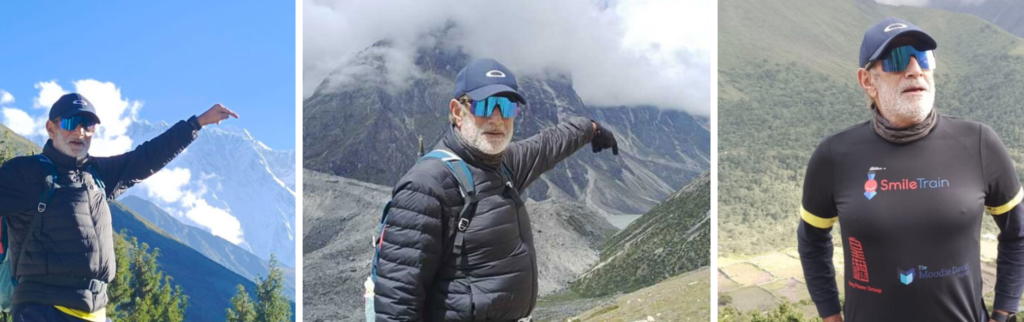
I also learned a lot about relying on people whose expertise you don’t have yourself. My guides knew the mountain far better than I did, and the same is true in business: the best leaders aren’t the ones who know everything, they’re the ones who know who to trust. And doing it for a cause bigger than the climb itself was a reminder that the most meaningful achievements are rarely just about you.
CM: If you could change one mindset within travel retail today, what would it be?
ST: I’d want us to be quicker to treat emerging markets as equal partners in shaping the industry’s future, not just as growth opportunities to be tapped once they mature. They aren’t just catching up, they’re increasingly setting the pace – but they are each unique, and travel retail needs to move away from a one-size-fits-all mindset.
CM: As APTRA President, you have a unique perspective on the Asia Pacific region. What do you believe are the greatest opportunities – and perhaps the biggest responsibilities – for travel retail over the coming decade?
ST: The opportunity is enormous. Asia Pacific remains the engine of long-term structural growth for this industry, even amid geopolitical volatility. India is the obvious headline, but we’re seeing momentum right across the region with Vietnam another positive case in point.
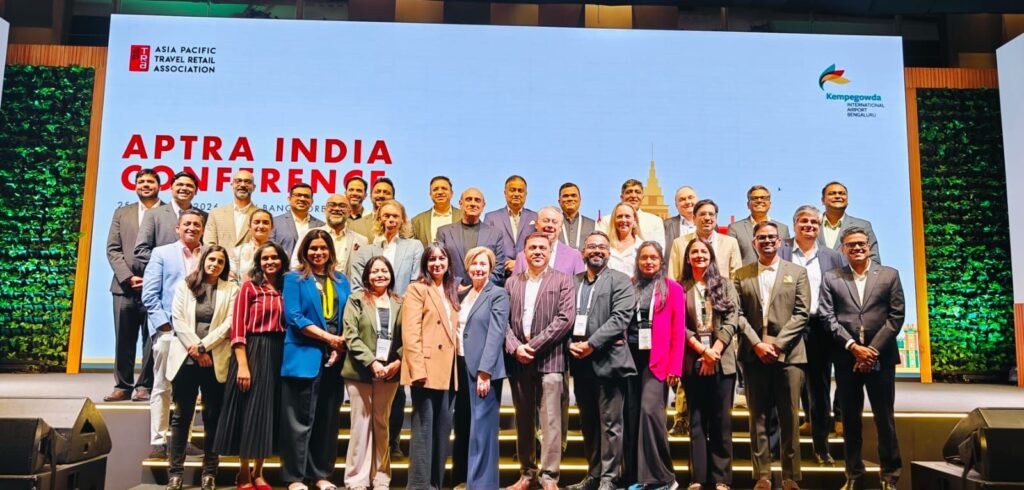
The responsibility that comes with that is just as significant. We have to ensure growth is built on solid regulatory foundations, that smaller and emerging markets aren’t left behind by bigger, better-resourced ones, and that the industry keeps advocating collectively rather than every market fighting its own battles alone.
That collective voice is what APTRA exists to provide, and it matters more now than at any point I can remember.
CM: Leadership roles within our industry demand enormous commitment, and you’ve already made a significant contribution through APTRA. Could you ever see yourself pursuing the TFWA Presidency again, or has that chapter passed?
ST: APTRA has been, and remains, where I feel I can contribute most. It’s the platform built specifically for this region, and there’s still so much to do here, particularly on advocacy and industry education in new markets.
I’ve always seen my role as complementary to TFWA’s, not competing with it. TFWA does an extraordinary job convening the industry globally, and my focus has been on making sure Asia Pacific’s voice is properly represented within that.
That’s where my energy will continue to go.
CM: If you could sit down with the Sunil Tuli who joined King Power Group all those years ago, what advice would you give him?
ST: I’d tell him to worry less about having all the answers early on, to know that we’ll figure it out by working together – something I hear myself saying a lot.
I’d tell him India will matter more than he can possibly imagine by 2026 – so pay attention to what’s happening there, even while building a career across Singapore and Hong Kong.












To subscribe free, please enter your email address: