

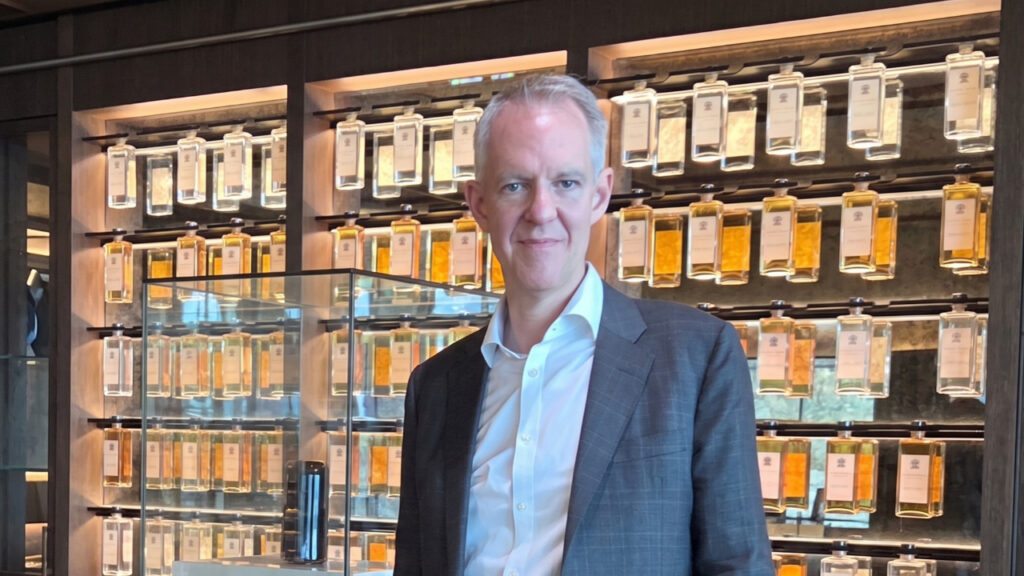
Granularity Game: Rufus Parkinson, Managing Director Global Travel Retail, William Grant & Sons, on Targeting Travel Retail’s Next Growth Phase


In this one-to-one, wide-ranging interview, Rufus offers a clear-eyed view of a spirits business facing volatility, price pressure and a more fragmented traveller than ever. Here he discusses the resilient growth opportunities he still sees across Asia Pacific, the need for sharper consumer segmentation and advocacy, and why genuinely differentiated travel retail exclusives matter more than an overgrown SKU count. He also outlines the portfolio roles of Glenfiddich, The Balvenie, Monkey Shoulder, Hendrick’s and The Famous Grouse, while teasing major news for Cannes next week.
This is an interview that will reward your attention.
Peter Marshall (PM): Rufus, welcome back to trunblocked..com. Now, if we start at the top of the funnel, how would you honestly characterise the current state of the global premium business? What’s working for you and what’s fragile? We’re well into 2026 – is William Grant and Sons in a place where you want it to be?
Rufus Parkinson (RP): So thank you, Peter, good to be back and talking. Undoubtedly there are a few headwinds out there and elements of volatility as well. I think from a business perspective, overall, we’re kind of where we wanted to be. The Middle East is obviously a drag on performance at the moment and is a situation that we will have to navigate through. Certainly from a travel retail perspective, we had quite a lot of momentum coming out of 2025, which we managed to continue into this year. And outside of that region and the impact of that region, things are, broadly speaking, on track.
Now from a broader domestic business, there are ups and downs and obviously some markets are still facing quite a lot of challenges. We’ve got consumer confidence that’s not particularly high. We’ve got inflation that’s obviously biting more recently with all of the air ticket price increases and elements of moderation etc., all coming together to impact the business. So spirits are by no means in the most positive position overall. But I think, at least from a travel retail perspective, there’s still a lot of growth to be had in particular areas of the world.
PM: So you see that as a window for growth.
RP: I see a window for growth, yes. And we can probably talk a bit more about where that growth can come from as well.
PM: So looking specifically at travel retail, do you believe the channel has genuinely recovered its relevance for spirits, or do you think we’re still patching over structural issues with promotions and big activations?
RP: I don’t think it has ever lost its relevance. Potentially in Covid it did, obviously, because you couldn’t travel. But outside of that, I think it’s still relevant. I think there’s undoubtedly been far more price pressure in the channel, and there have been, probably, activations and things that in a normal trading environment, you perhaps wouldn’t want to see.
But what has carried it for the years up until the last couple of years is the premiumisation trend. And that is obviously much weaker than it has been.
And I think you have to work a lot harder for that. There are still elements of premiumisation there to be had. But you have to really have a genuine story around the brand, around the liquid, a reason to purchase – whether that’s through differentiation, whether that’s through something that’s really quite unique.
And how does that resonate with the consumer? I think that part is actually increasingly complex because there’s not one consumer out there. You’re talking to many different consumers. And how to structure that and navigate that is really an unlock in terms of how you can win in the channel. So I think, overall, still relevant for sure, but there’s certainly a tough trading environment out there. It’s also a tough challenge for marketeers in the business who really have to address behavioural changes in the passenger mix. Certainly for the likes of Gen Z.
Those travellers, those shoppers, are for sure acting in a different way than shoppers had previously. I think there’s a huge digital element. And how do you engage with them? You know, a lot of them are actually shopping and doing their research before they travel. We’ve even seen some stats where those who go online for a retailer are not necessarily purchasing at the airport.
PM: Interesting.
RP: It’s separate. So if they buy online, pre order, they’re not even looking to shop at the airport. They’re kind of done. It’s these sort of things that you have to try and get underneath the skin of.
So how do you interact with that shopper? You’ve still got another shopper that’s really predominantly doing their spend at the airport. And how do you effectively talk to these different types of shoppers? Selling to a Gen Z or introducing a brand to a Gen Z, can be quite different than introducing that same brand to someone of an older age group.
PM: I think the only constant in real terms for Gen Z’s is the fact that they’re predictably unpredictable.
RP: That’s absolutely true, yes. But I think it comes back to brand authenticity and brand story. So, irrespective of where you are in that sort of age span and consumer profile, you’re still looking for something that has resonance and has meaning and something you can actually relate to. And something they’re all looking for. Consumers generally are looking for something that they can take away and say when they open this bottle, they can tell a little bit of a story about it and share with their friends.
PM: Let’s turn now specifically to Asia Pacific, which everyone still likes to call the ‘engine room’ for growth. Is that still true? And which are the markets and the sub-channels that are truly back in business for you. I mean, are you still chasing pre-Covid ghosts?
RP: Absolutely. APAC can be the engine for growth. I’d say it’s not one consumer and it’s not one market. So let’s break it down a little bit. You’ve got strong momentum in India – that’s been going on for a few years now. You’ve got a consumer there who is looking to trade up, is very, very keen in terms of premium whisky and, economically wise, is getting more and more spend in their wallet. So that’s a positive trend and certainly we’re benefiting from that. Glenfiddich for us is certainly a power brand in that market.
Then you’ve got China. China, actually a very different situation, but obviously still dominated by local spirits. International spirits really make up about 1% of total consumption in that market. So there’s still a huge opportunity to bring new consumers into the category. And we’re actually achieving that gain through Glenfiddich, but also Balvenie. So, predominantly through our malts, although at a lower kind of entry price point. Monkey Shoulder is doing particularly well, too.
So opportunity is there for building a category and building the pie, really, rather than trying to steal from other competitors. So both of those markets are on a positive trend actually. Certainly in terms of travel retail, but also domestically strong markets for us.
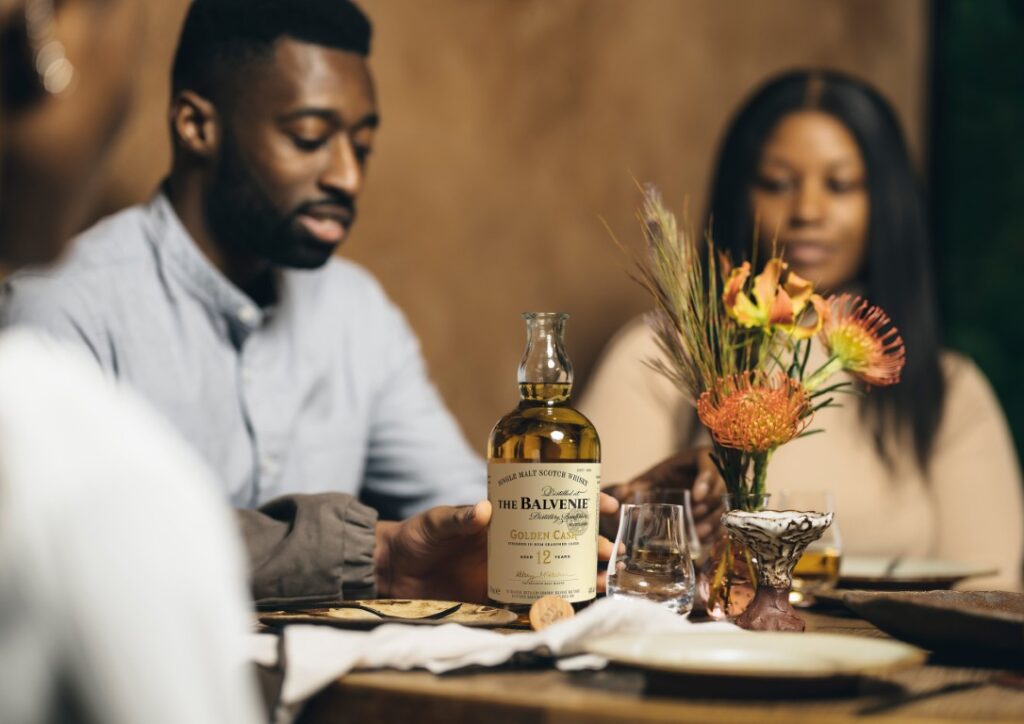
Outside of that, North Asia continues to be positive. We have the number one malt brand in the domestic market and in travel retail – Balvenie. And The Balvenie there really, really resonates well with the consumer. So we have an opportunity there to sell a very broad Balvenie portfolio in the market. So a lot of positives in some of the areas.
Then you’ve got up-and-coming markets. Vietnam is starting to come up. You’ve got some positive green shoots in Thailand as well. So there are other locations that can add to that momentum.
PM: Just developing that point, and something you have already alluded to, Chinese, Indian and Southeast Asian travelers are often lumped together. But what concrete changes have you made to your overall portfolio mix, price ladders and in-store storytelling to reflect just how different these shopper groups really are.
RP: Let’s go from the product side to start with. First, and pretty obvious, you’ve got gifting. How does it resonate around the different occasions in the year? India is very different from China. So obviously Diwali is the biggest occasion of the year there and that’s where we customise our offering. For example, with Monkey Shoulder we’ll have Diwali packs. With Glenfiddich we’ll also have a Diwali gifting offering, very much tapping into that occasion
Likewise at Lunar for China, the Chinese traveller will have an offering there which is obviously different from what we do around Diwali. That’s an obvious one.
A second one would be around liquid. So we know in China that the consumer tends to prefer more of a sherry or a sweeter finish to their whisky. So we have in our Glenfiddich range introduced some products there, such as our 22 year old Gran Cortes that particularly appeals to that consumer and that’s getting a lot of traction. Likewise on Balvenie, our 15 year old Madeira has the same sort of profile and does particularly well.
So there are things we can do with liquid, there are things we can do on the gifting side. And then, we come back to that in-store occasion. For us, advocacy is key and our brand ambassadors are our frontline staff. They’re the ones that are telling the story and bringing the brand to life. The way we do that in China increasingly is through building shop-in-shops, doing personalized gifting, having a very elevated but also an engaging time – to be able to walk through our brands, through digital elements, through sampling, etc.
In India, brand ambassadors play an absolutely key role. But there it’s very much hands-on shopping, guiding the consumer through their shopping -often on arrival because arrival is key in that market. So you have to be both efficient and quick to be able to guide them through and obviously maximize the opportunity there and still get your message across.
PM: So when you look at passenger behaviour in Asia Pacific today – whether it’s trip purpose, dwell time or even spend per head – what are the one or two key dynamics that propel you to potentially rethink how you may operate in this region? Because it is, as you identified, a fairly movable feast, isn’t it? So, just how agile are you?
RP: I think increasingly we’re getting more and more granular in how we look at airport locations and the type of pax profile that comes through each location. I think Singapore is a classic example. Changi, obviously, is one of the largest airports in the world. It has a very diverse mix of consumers coming through it. So here you’ve got Indian consumers, you’ve obviously got the Chinese traveller, you have a large amount of Western Australian travellers going through and a whole mix of others as well. Selling to them or introducing your brands to them and appealing to them – whether it be through activations, whether it be through advocacy – is very different for the different consumers.
So how do we manage them? Actually we do a lot of work in terms of our training of shop staff and our own brand ambassadors and how we can talk to different consumers and appeal to them in different ways. I think that that’s one element that’s really key. And to be honest, that’s a huge unlock of that level of granularity.
To give you another example, even if you look at India for instance, you could think of India as one country and pretty similar across it. But it’s absolutely not from north to south, from east to west. There are huge differences. A few weeks ago I was in a regional airport, Amritsar. It’s a heavily Sikh population and a massive market for Famous Grouse. As you know, that is one of our newest brands and Amritsar has a strong connection with the UK, with direct flights into Birmingham and Gatwick. So you really have to break things down, it’s granular, where we get into the locality and see what’s appealing in different areas.
PM: I’m sure we’ll get on to Famous Grouse later on. You have a broad portfolio that includes Glenfiddich, The Balvenie, Hendrick’s, Monkey Shoulder, Wildmoor and, of course, Famous Grouse and a number of other brands – all basically competing for attention in Duty Free. What’s the no-nonsense role you see for each of your key brands in the travel retail shopper journey? And which ones get priority when space is tight, as appears increasingly to be the case? After all, we know that retailers are increasingly looking to declutter the category.
RP: Let’s go to Glenfiddich first, as it’s our lead malt. It’s a global brand, it’s how we recruit into simple malts and it’s a power brand in many of the markets and obviously has a massive amount of investment behind it. Our Formula One platform is trying to broaden the appeal of the category.


Balvenie is more of a handcrafted play that obviously appeals very much to more of a slightly more mature malt drinker perhaps, or a more sophisticated malt drinker. And that broadens our kind of reach within that malt territory. So Glenfiddich is the lead, Balvenie, very much following up and completing that malt picture.
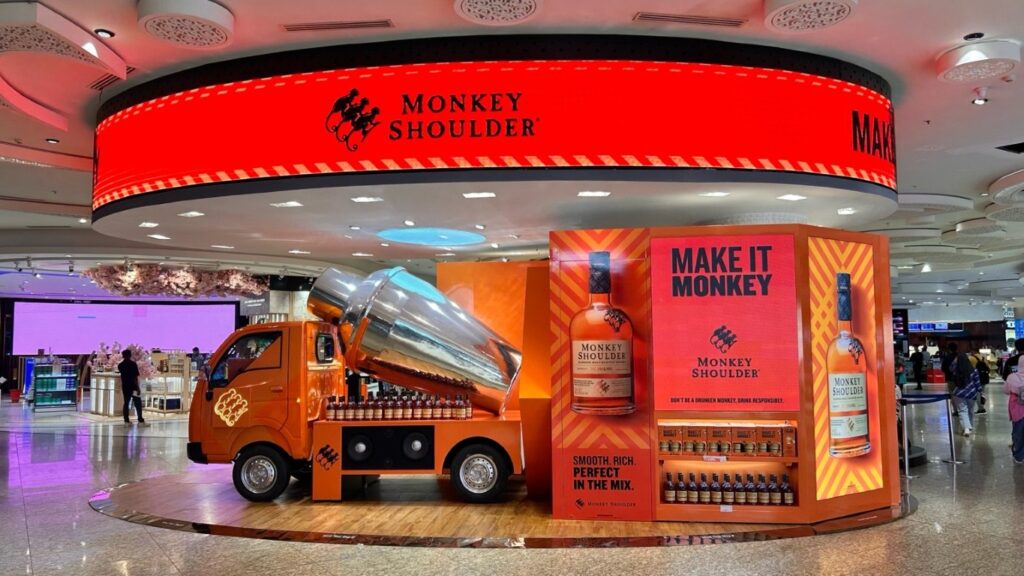
Monkey Shoulder plays an entry level, as people trade up from blended or move into the category for the first time. And it brings a lot of energy to the space. Great for mixing in a market like Singapore, but also for drinking neat in a market like India. So very versatile, appealing to a broader segment.
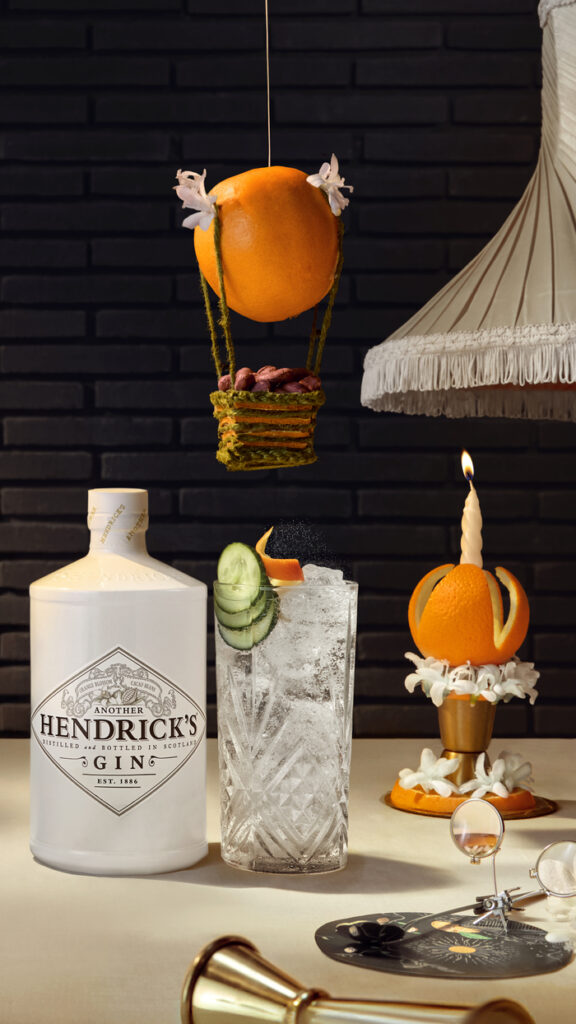
Then you’ve got Hendrick’s. Obviously very disruptive within the gin space. You know, we’ve just launched Another Hendrick’s, which is really giving us some very positive first results in terms of disrupting that category and bringing something very different. Not just another flavour, but something quite, quite unique. That’s our biggest play within gin.
And then something like Famous Grouse has a very loyal consumer in certain markets around the world. So obviously massive in the UK, big in the Nordics, has a good presence in India as well. So we’re building on that and that has more opportunities in the future.
PM: Are you building on Wildmore as well?
RP: Wildmore plays quite a distinctive role in terms of sort of being a family reserve spirit. You know, you’ve got a 23, a 30 and a 40 year old product there. We’ve kept it quite focused in a certain small number of airports. It’s quite low profile in Asia. We’ve done some reasonably-sized activations across Hong Kong and China recently. But yes, that’s going to take time to develop, as is the case with any new brand.
PM: Let’s move on to travel exclusives. They used to feel genuinely special. What’s your filter today for deciding which innovations deserve to be a GTR-first or GTR only? And where do you draw the line between a true concept and just another line extension?
RP: I know and I totally agree. I think the travel retail exclusive has a real role to play in terms of discovery within the channel. But it’s been overdone. Just because it’s exclusive doesn’t mean it’s suddenly going to sell well. I think you really have to think through what’s the role of that product versus your core range.
So if I think about Hendrick’s, we now have the original Hendrick’s, which is obviously available domestically, we have just launched Another Hendrick’s. We don’t see a need to have something different because Another Hendrick’s is such a strong proposition. It can sell well in travel retail and it can sell well, you know, across all channels. So that’s one approach.
Another approach, and if we go into Glenfiddich, is we’re now launching a new travel retail exclusive core range for Glenfiddich.
PM: When does that go live?
RP: It started shipping in June. So that’s a real differentiation versus what’s available in domestic. It’s not only differentiated in terms of the finishes of the product, the ABV of the product, but the storytelling behind it is also quite different. And we’ll make that cut through and become quite clear through our brand ambassadors, through the activations we do at the point of sale, etc. They will be a key player to success.
So that’s real differentiation. For Balvenie as well, we have a lot of differentiation. So, you need to think about what it is that’s really going to change that product in the eye of the consumer. What are they looking for? Are they going to go, ‘wow, okay, I can’t find that elsewhere. I’m actually going to make a purchase’. You can’t just tweak a flavor and expect it to sell.
Think back to the space. Space is under pressure. And there’s no doubt liquor space is under pressure. Just having an exclusive for the channel, that doesn’t necessarily mean you’re adding value. And I think that, over time, retailers will realise that as well as space gets constricted. You need to have the right hero skus, not just a long tail of differentiated skus in exclamation marks.
The other play around this as well is that it’s not always about a different liquid. Another way you can actually deliver that to the consumer is through packaging – whether that’s through a gifting proposition, or through a personalised engraving – there are many ways that you can make it different.
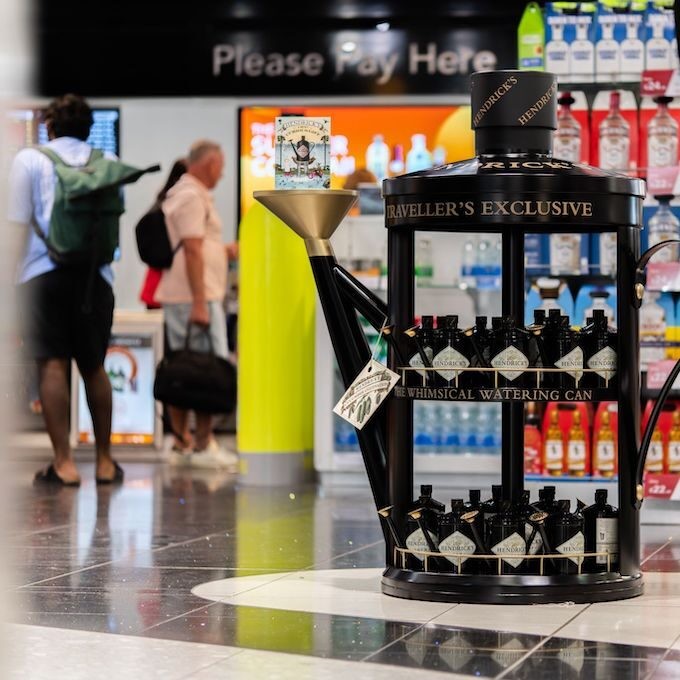
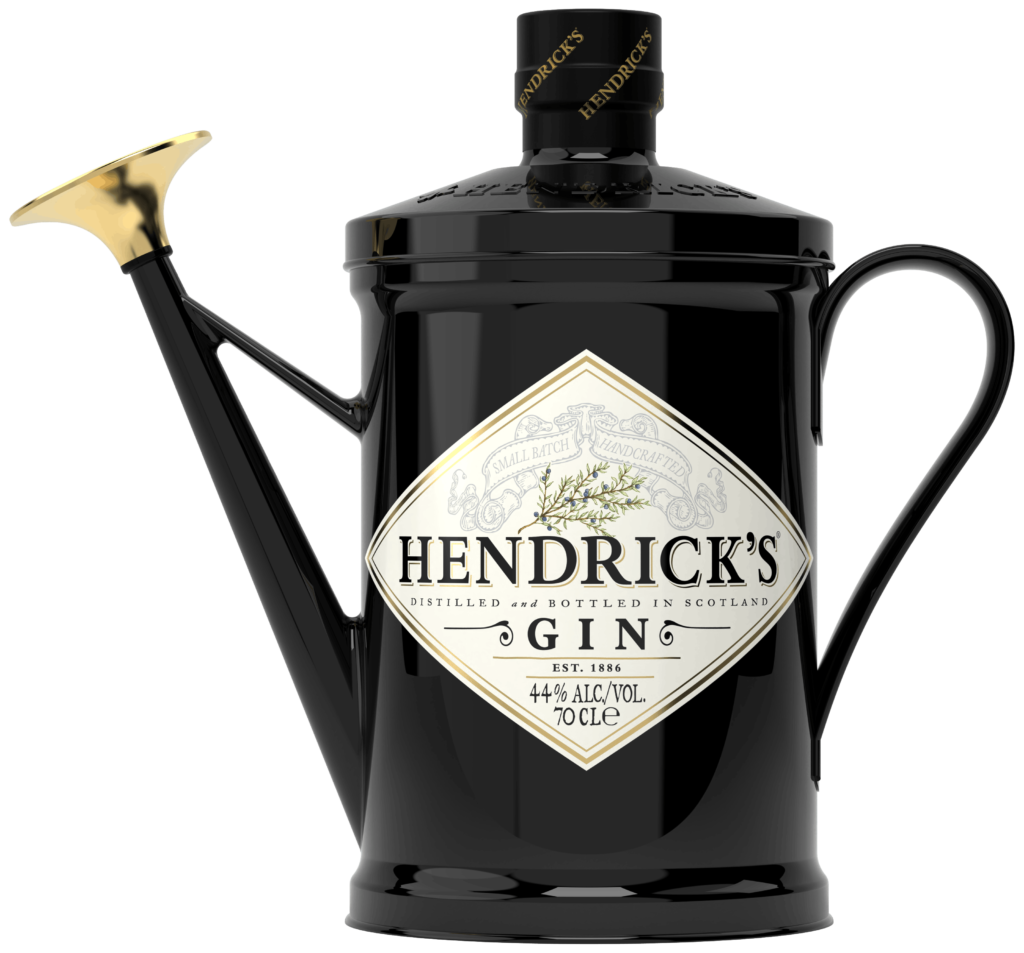
PM: Or something funky in store as well. That’s exactly what you did last year for Hendrick’s Gin and the watering can. Brilliant.
RP: Yes, the watering can was a huge success for us. That was disruptive. It’s not just another gift at the same price as your regular product. You can actually charge a premium for it because a promotion like that is so distinctive and so very different and unique.
PM: Let’s return to premiumisation. It’s a lovely story – until the shopper watches every currency conversion. Can I ask what you’ve learned from the likes of Wildmore and your most recent cask finish and higher-end launches, about just how far you can still stretch price and narrative.
RP: I think that, undoubtedly, the shopper now is more and more savvy. It only takes you 30 seconds on your phone to find out if there’s a cheaper price somewhere or if the currency is giving you a kind of arbitrage benefit, etc. And retailers are obviously very clued up on that as well and always tracking competitor airports to make sure that they’re at the right level.
So that will continue. And that’s one thing. I think that, at the end of the day, it’s all about: are you pitching your product at the right level, and can you back it up with the right sort of value proposition? So, for instance, a good example would be around Formula One. We launched our Glenfiddich 19 Year Old exclusive for the channel. We had a different 16 Year Old in domestic and the 19 Year Old has been a huge success. We’ve seen people buy that because it’s Glenfiddich and because it’s a great liquid.
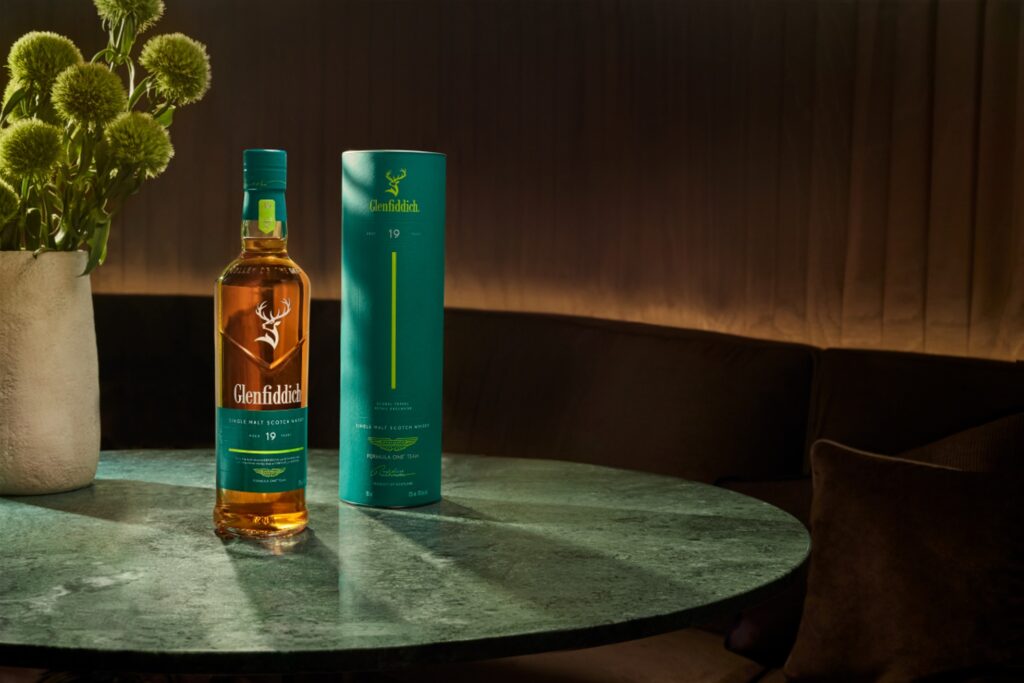
But it’s also because of this whole Formula One collectability. So we’ll have another one of those this year. There will be a collectible element to it, but it will also bring in new consumers because it’s Formula One.
So there you’ve got a clear angle, you’ve got something that’s very differentiated -it’s appealing to a specific segment and you can definitely justify your value. If you just have another age product and put the price up by 20%, it’s not necessarily going to work.
PM: Moving on, and from where you sit, what are the two biggest structural blockers to long term spirits growth in travel retail – whether it’s the basic margin model, the way data is, well, not shared or the regulatory direction of travel?
RP: It’s around data and category. You know, I think this channel has been relatively conservative in its way that it has shared or leveraged data. It is changing and there are retailers who are now engaging quite actively in that. There’s a very rich depth of data here, whether it be around the traveller and the profile of that traveller going through the airport, as well as the basic retail data that’s there.
And I think that’s a huge opportunity. It’s an unlock that will come. That may come through people like ourselves, who have built a category team engaging with the retailers. Or, it may come from AI, which I am sure will play a role in the future – because, frankly, it will be able to just digest a huge amount of that data much more efficiently.
So there’s a real opportunity around data and then that leads into the category. So while I think that brands are always going to play a massive role, from a retail perspective I believe that sometimes you need to think about how do we actually grow the pie rather than just one brand stealing from another.
PM: Well, picking up on that point, airports and retailers all talk about partnership and category thinking. What do you think they still need to change – whether it’s in terms of space, data access or commercial terms – for you to truly believe that and, importantly for William Grant & Sons to unlock the next phase of growth with them.
RP: We pride ourselves in taking a longer term view. So we try to do things consistently, not chopping and changing from year to year and actually have that partnership approach. We’re now finding there are some retailers who are actually engaging in that and we’re engaging actively with category projects with them, looking at particular airports and how we can actually remodel and take that forward.
Our category team is actually quite separate from my commercial team because, obviously, the category team needs to really be focusing on the category rather than just our brands. And that’s starting to get a little bit of traction.
But I think a lot of retailers are not there yet. A lot still tends to be about next quarter, next half, and how we can just drive some volume and promotional spend. So that’s always going to play a role. But how can you do that but also take a step back and look a little more at the longer term. Ask the question: what are you trying to develop through your proposition? You know, why should a shopper actually shop at this airport versus another airport?
PM: Good point. One final question, Rufus. What can we expect to see ahead in Cannes from William Grant & Sons?
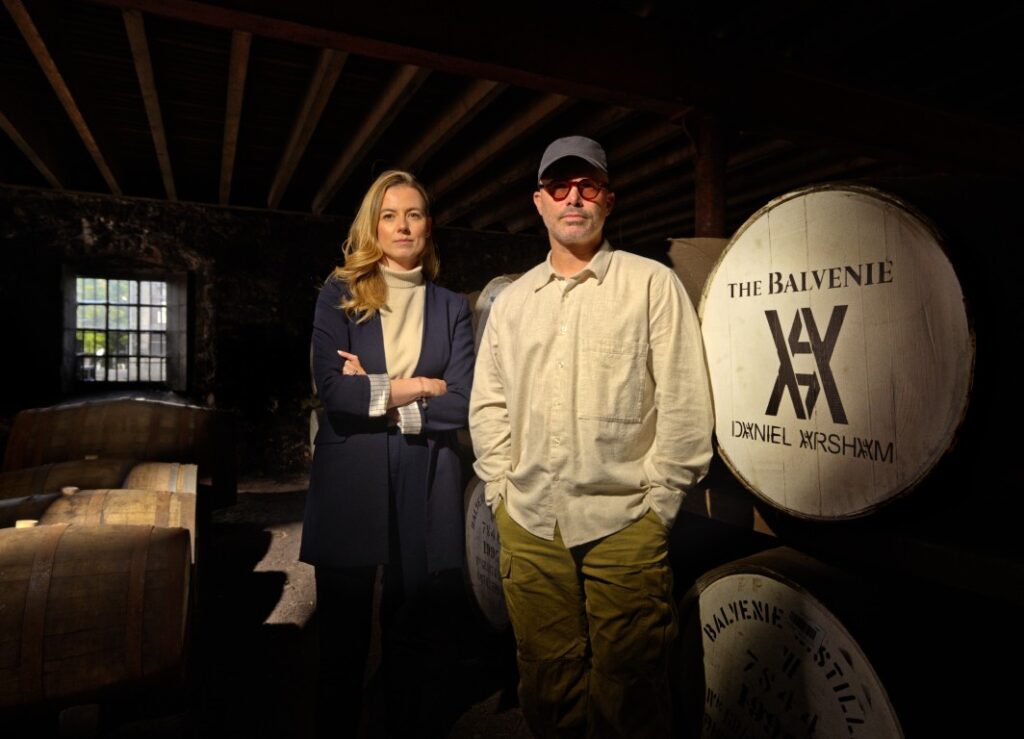
RP: So we’ve got some big news that we’ve been talking to retailers and we’ll have lots more when we come to Cannes. Just to touch on a few of them with you now. The Balvenie has a new partnership with quite a famous US artist called Daniel Arsham. And we will be launching products later in the year in partnership with him. And there’ll be more to follow on that.
PM: A limited run?
RP: Yes, it will be a limited run, yes. So we’ll certainly see that in Cannes. Something else that we’ll be able to talk about is that our partnership with Aston Martin has extended from Formula One to now include the Lagonda car brand. So you’ll be seeing some products coming through based around Lagonda as well. And you’ll see what we’re up to with Famous Grouse, too. We will definitely have some innovation coming in 2027 as well. So, yes, there’s plenty in the pipeline that we’ll be able to share, as well as some news on Glenfiddich.
PM: Look forward to that, Rufus, and to hearing more in Cannes. Thank you for your time.









To subscribe free, please enter your email address: