

Beyond The Humidor: Davidoff’s Vision For Luxury Cigars In Travel Retail


Few houses in travel retail carry a founding date on their shopfront and mean it. Oettinger Davidoff’s 2026 activity so far has been busy: a Davidoff of Geneva since 1911 shop landing at LAX, a year of hard data behind Davidoff Voyager’s Selection, activations queued from Antalya to Frankfurt T3, and a house of brands further extended by AVO EXPRESIVO and Zino Honduras. Add cruise, and the ambition is obvious. I recently caught up with Jean-Christophe Hollay, Head – Partner Markets & Duty Free EMEA/Americas to find out just how Oettinger Davidoff is building its travel retail map.
PeterMarshall (PM): Welcome back to TRunblocked.com, Jean-Christophe. Let’s start this conversation by taking a look at your activity at Los Angeles Airport. LAX is certainly one of the most contested luxury retail floors in North America. What convinced you that a cigar house – and not a fragrance or fashion brand – can earn that space in 2026, and what will travellers get there that they cannot get from their local tobacconist?
Jean-Christophe Hollay (JCH): LAX is a key step in our broader expansion strategy: establishing a strong global presence in the world’s leading airports and placing handmade cigars where this category naturally belongs – alongside premium spirits, Champagne, fragrance and luxury brands.
Our starting assumption is simple: a travel retailer’s first objective is to create value and grow revenue. In that context, the cigar consumer is one of the highest-value shoppers in travel retail. This consumer is strongly engaged and naturally connected with premium gifting, celebration and cross-category purchases. Yet more than nine out of ten potential purchase occasions among cigar consumers in travel retail remain untapped.

For travellers, the offer goes beyond what they would typically find at a local tobacconist: a curated premium assortment, exclusive opportunities, expert advice and elevated brand experience. This opening also builds on the excellent collaboration we have had with DFS. As the operation transitions to DFA, we are very optimistic about continuing that momentum and developing an equally strong partnership..
PM: As we know, Jeddah T1 gave you the first Davidoff of Geneva since 1911 shop and lounge in duty free, 82sqm with a 37sqm walk-in humidor. How much of that blueprint has survived the flight to Los Angeles, and can you explain what cannot be replicated under US rules?
JCH: They are two distinct concepts, adapted to their respective airports and regulatory environments.
Jeddah T1 was our first airport experience combining a Davidoff of Geneva since 1911 boutique, cigar lounge and walk-in humidor. At 82 sqm, including a 37 sqm walk-in humidor, it formed part of a wider refitting of the airport’s retail layout and allowed us to create a fully immersive destination.
At LAX, the format is more compact but no less appealing. The focus is on an elevated presentation of the category, with a back-wall humidor and a display extension for seasonal activations, new launches and exclusive offers.
Both projects demonstrate what can happen when a retailer makes deliberate decisions to prioritize the cigar shopper. If travel retailers want to unlock more value, the cigar proposition needs to be treated as a strategic priority – not as a traditional tobacco fixture. The concepts differ in execution but share the same ambition: to elevate handmade cigars and unlock the considerable commercial potential of this highly valuable consumer.
PM: Moving to South America and to Lima, Peru, this was your first Davidoff of Geneva since 1911 concept in a Latin American airport. What have you learnt so far, and where does the Americas map realistically go from here?
JCH: Lima is our first Davidoff of Geneva since 1911 concept in a Latin American airport and an important milestone in our ambition to expand this format across key continents and travel hubs.


Latin America has a well-established cigar culture. While Lima is not the region’s largest airport, the opportunity was particularly compelling because our concept could be integrated into Lagardère Travel Retail’s broader retail relaunch, positioned next to the premium spirit’s section. The results have been very encouraging—not only in sales, but also in brand exposure and the premium visibility given to the handmade cigar category.
This confirms that the right positioning and retailer collaboration can unlock real value. It has strengthened our appetite to invest further in Latin America, wherever we find partners willing to create a proposition that properly serves the cigar shopper and reflects a genuine luxury atmosphere.
PM: Now, with 65 boutiques worldwide, at what point does expansion start diluting the “destination” idea the Davidoff of Geneva since 1911 concept is built on?
JCH: We do not see airport expansion as diluting the Davidoff of Geneva since 1911 concept. On the contrary, it reinforces the concept and broadens its visibility among an international audience.
Travel retail serves a different shopper mission from a downtown boutique. Purchases are more spontaneous and gift-led, with strong cross-category appeal. The portfolio is therefore adapted rather than simply replicated: it is more focused, with particular attention to exclusives, seasonal highlights and special packaging.
Cigar consumers are notably loyal to their brands, but today very few travel retailers have a determined strategy to make them their number-one priority. That is why the commercial opportunity remains so significant. Davidoff’s change vision is to help retailers recognise this value and, where there is shared ambition, transform the category’s commercial expectations for tomorrow.
PM: Davidoff Voyager’s Selection is one year old. Beyond the launch plaudits, what does success actually look like in real numbers – via sell-through, repeat purchase and share of travel retail turnover. And what did year one make you change, if anything?
JCH: For us, success is ultimately about more than the initial sell-in. We look at sell-through the development of the distribution base, repeat purchase and, importantly, whether Davidoff Voyager`s Selection is generating incremental value within the Travel Retail category rather than simply shifting consumers from one existing SKU to another.

 The first year was very encouraging. We have seen strong consumer and retailer response, good performance versus our expectations and, importantly, opportunities to expand the concept into additional locations. That tells us there is a genuine appetite for a premium, curated and Travel Retail-exclusive proposition.
Year one has also reinforced something fundamental: premiumization only works when complete experience supports the price point. Distribution, visibility, presentation and staff advocacy all need to work together. So, we are becoming more selective about where and how we activate Davidoff Voyager`s Selection, with a stronger focus on creating the right environment for the product.
PM: Antalya, Istanbul, Addis Ababa Bole, Dubai DXB and Frankfurt T3 are five airports with very different passenger profiles. Is this one activation campaign or five separate ones, and just how far can you localise before the brand story fragments?
JCH: I would describe it as one brand story with five different expressions.
The core of Davidoff Voyager`s Selection remains consistent: exceptional craftmanship, exclusivity, discovery and the idea of bringing something special to the traveller. That is the non-negotiable part of the story. But the way we bring it to life needs to reflect the passengers, the airport environment and the commercial opportunity in each location.

We therefore work with a common strategic framework and distinctive brand assets, while allowing the execution to be locally relevant. In Frankfurt, for example, we are focusing on the cross-category approach, where the beacon project from Heinemann is giving us the perfect opportunity.
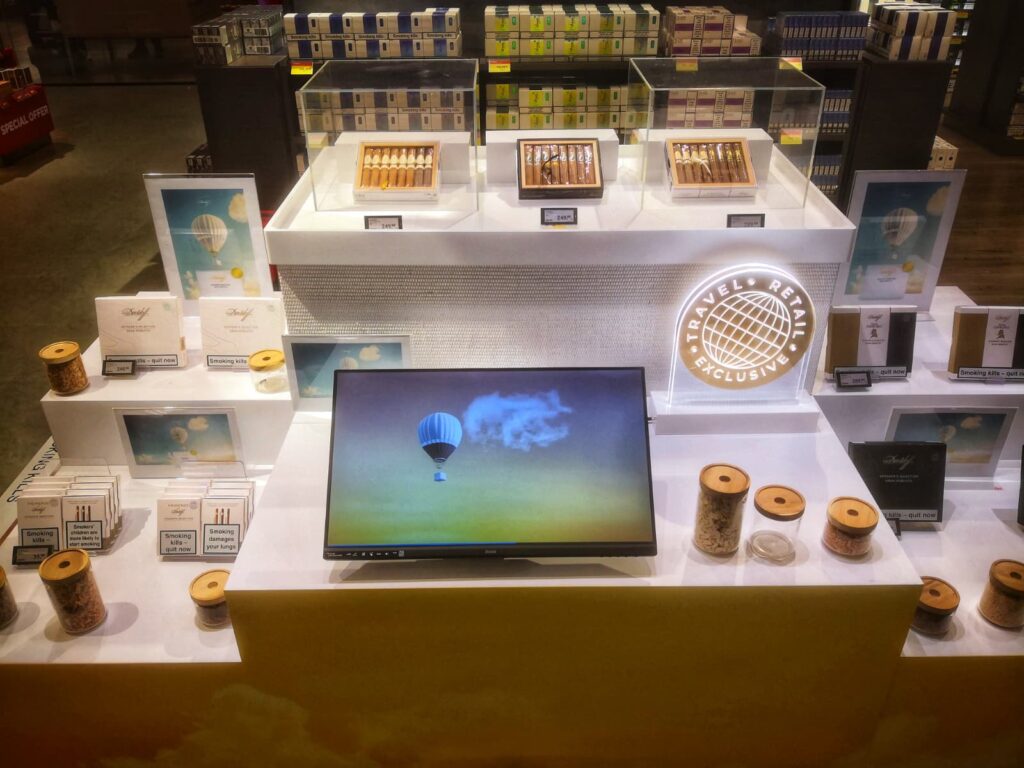
For me, localization becomes a problem only when you start changing what the brand stands for. We are not changing the story; we are changing the way the travellers enter that story.
PM: Bole is a fast-growing African hub but it doesn’t strike me as an obvious premium cigar market. What’s the background here, and what kind of result would make you call it a win?
JCH: That is precisely what makes Bole interesting. We don’t look at a market only through the lens of today`s premium cigar sales. We also look at passenger growth, connectivity, shopper profile and the potential to develop a category over time.
Addis Ababa Bole is an important gateway for Africa and has a very international passenger mix. For us, the opportunity is to introduce the right consumers to the category and demonstrate that premium cigars can be positioned as a luxury experience rather than simply as a tobacco product.
A win would therefore not only be measured in immediate sales. We would look at sell-through, consumer engagement, conversion, repeat purchase and the ability of the activation to build awareness and confidence among both shoppers and retail staff.
If we can establish a strong premium proposition in a market that is not traditionally seen as a major cigar destination, and create a platform for sustainable growth, that is a very meaningful result.
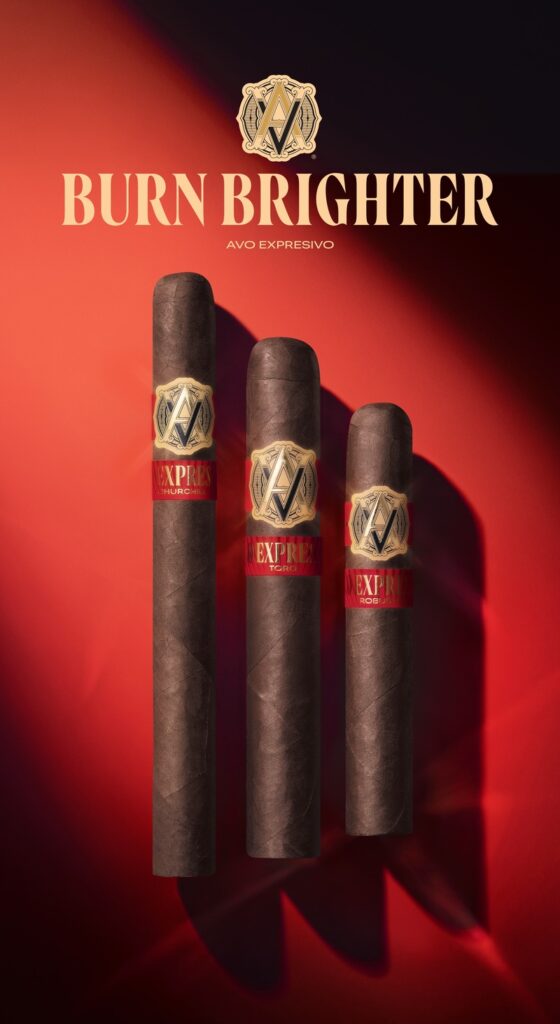
PM: Let’s turn to new products. Expresivo is AVO’s first cigar made entirely in Honduras and its first new core line since 2021, launched under a “Burn Brighter” reset. It seems to be quite a contrast to Avo Uvezian’s premium handmade Dominican elegance. So, and if I can use the terms, why the ‘louder’ approach?
JCH: “Louder” is actually a good way of describing it – but I would also say it is a different expression of the same AVO spirit rather than departure from it.
AVO has a very distinctive heritage, rooted in music, creativity and the personality of Avo Uvezian. With Expresivo, we wanted to reconnect with that sense of creativity and self-expression in a way that feels relevant to today`s consumer.
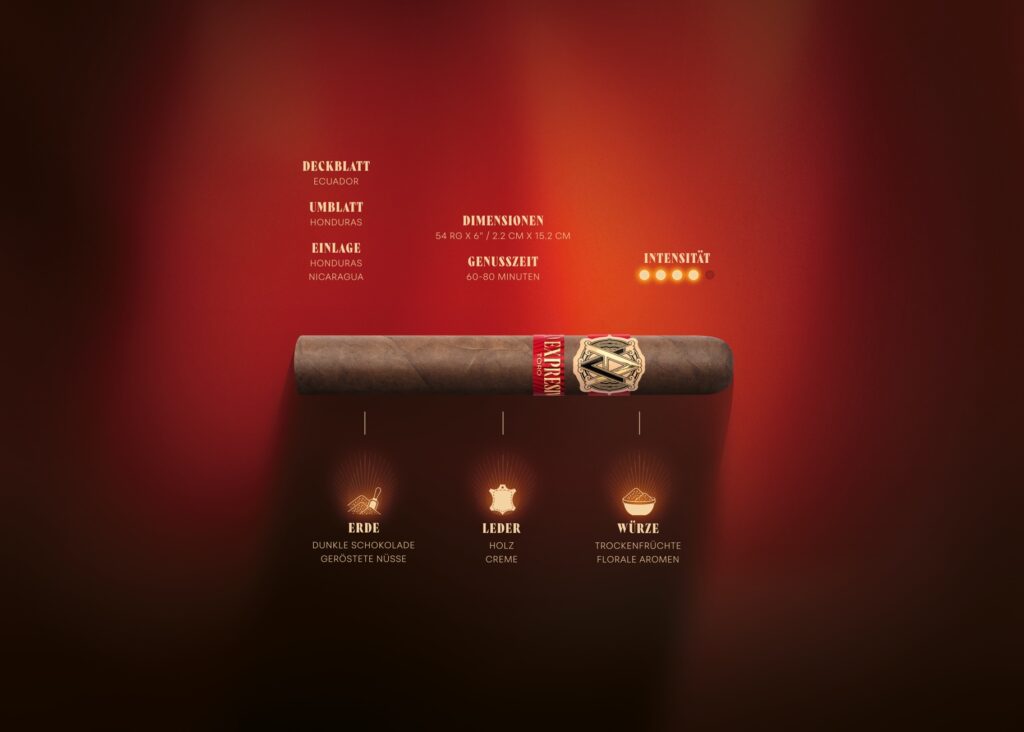
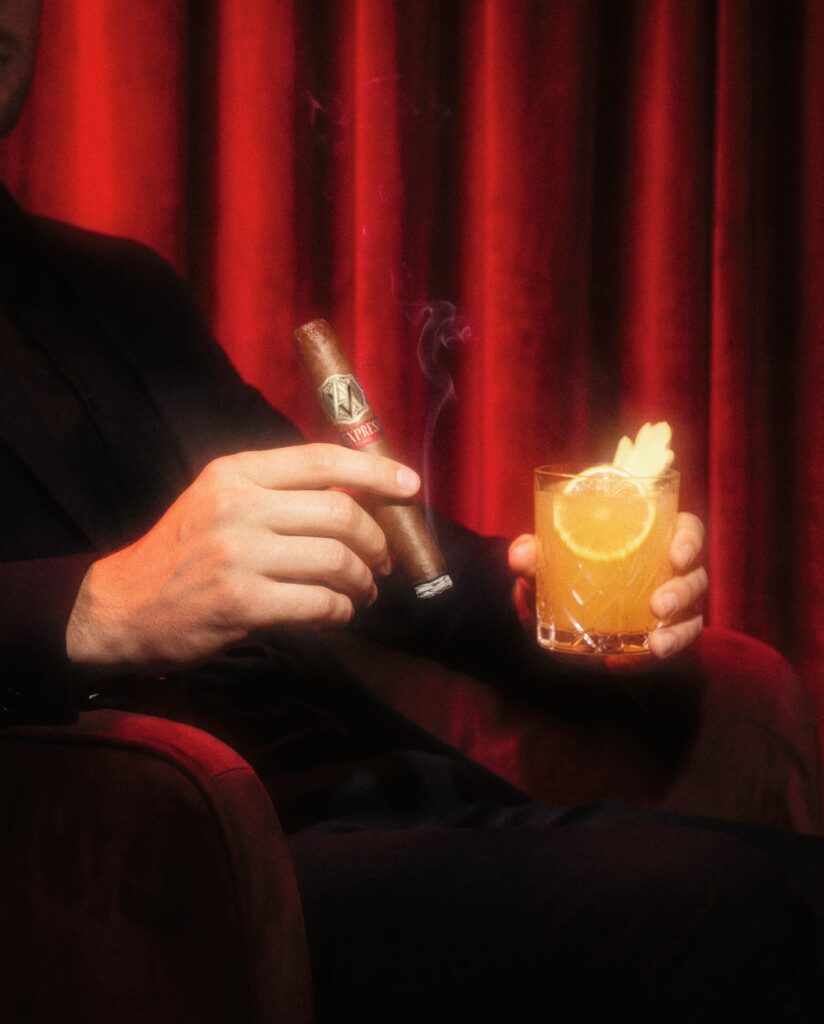
The Honduran origin and the more expressive sensory profile give us the opportunity to broaden the AVO proposition. It brings more intensity and energy to the portfolio, while still retaining the craftmanship and quality that consumers expect from AVO.
“Burn Brighter” captures that perfectly. It is about giving consumers permission to express themselves, to be authentic and to enjoy the brighter side of life. So, the approach is more energetic, but the underlying values of craftmanship, creativity and enjoyment remain very much AVO.
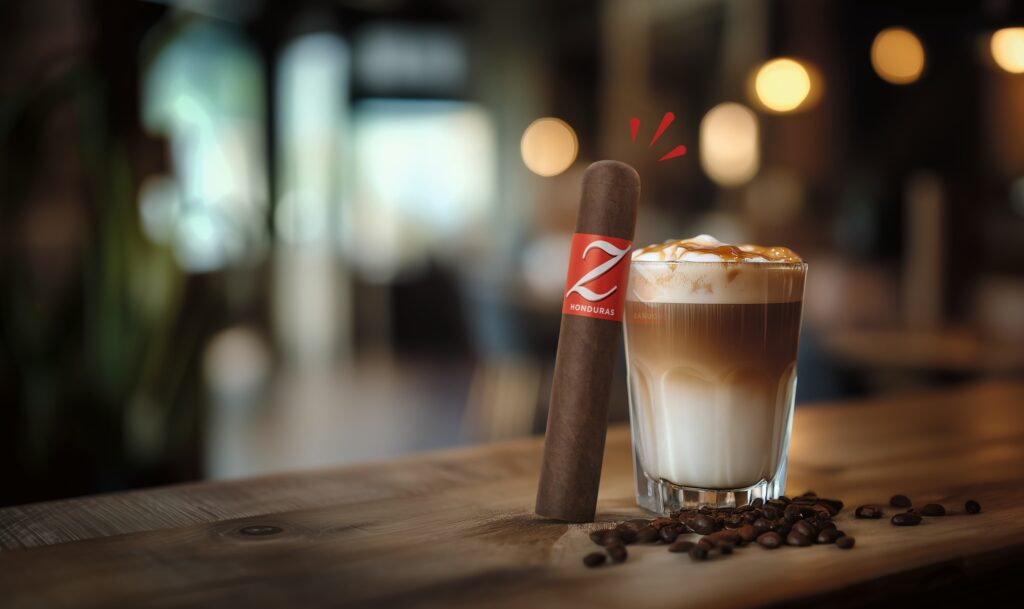
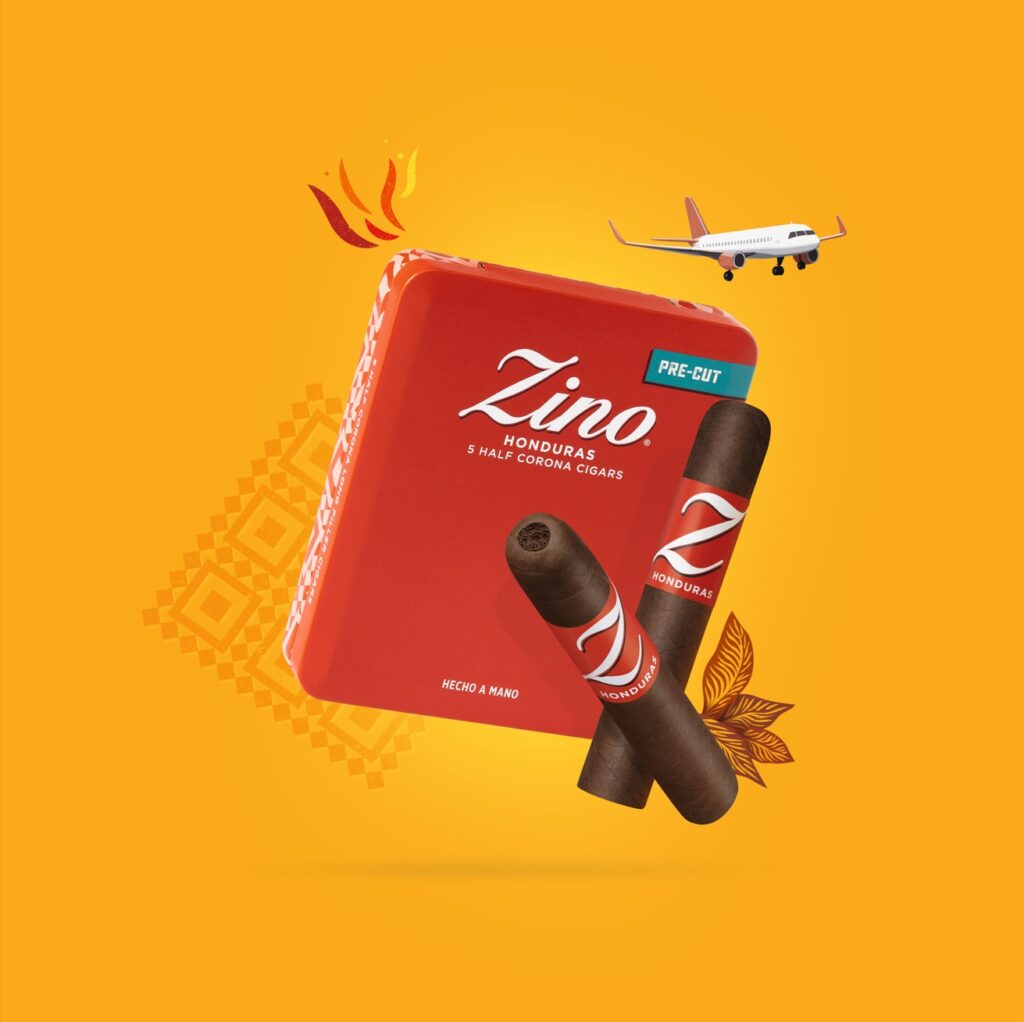
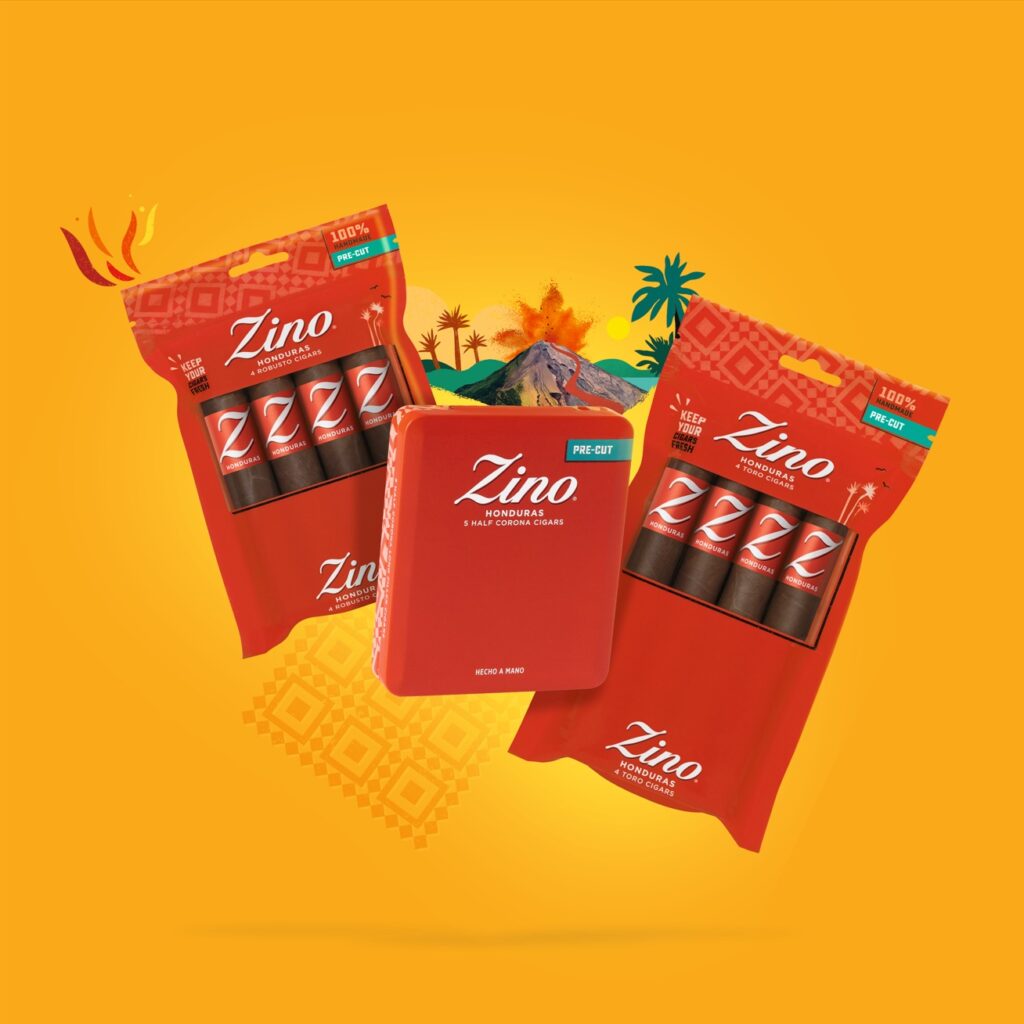
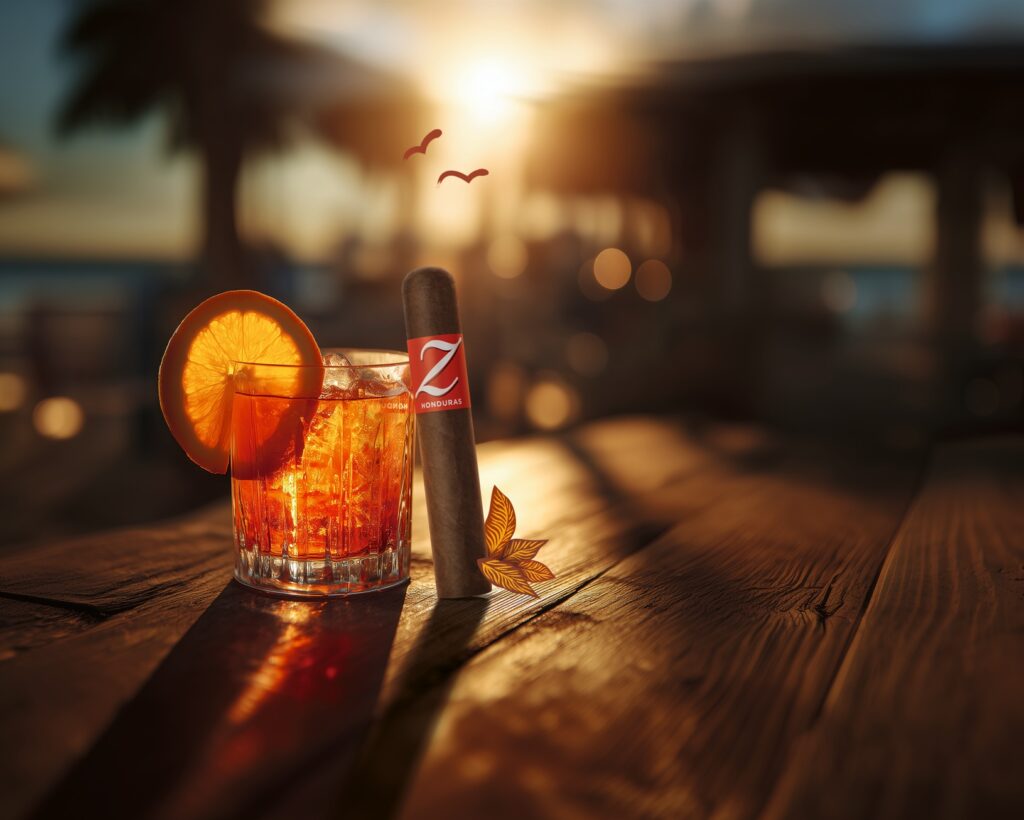
PM: Zino Honduras seems to push your House of Brands gateway towards more intensity with tins, packs and pre-cut fresh packs. With Davidoff, AVO, Camacho and Zino all now available, is there an internal rule that stops them from competing for the same traveller? And if the House of Brands is complete – something I suspect is not the case – what is left to invent?
JCH: Absolutely. We don’t see the House of Brands as simply putting different names on the shelves. Each brand has a clear role, a distinct consumer proposition and a reason to exist.
Davidoff represents the highest expression of luxury and craftmanship. AVO brings creativity and a more contemporary sub-premium expression. Camacho is about intensity, boldness and a more uncompromising attitude. Zino opens the door to a new generation, more spontaneous and accessible consumer.
That differentiation is particularly important in Travel Retail because the traveller has very little time. We need to make the choice intuitive: who am I, what experience am I looking for, and which brand speaks to me?
With Zino Honduras, for example, we are expanding the brand’s expression and creating more entry points into its proposition, rather than simply creating another product that competes for the same consumer.
And yes, we consider the House of Brands now complete. But that doesn’t mean we stop innovating. Within each brand’s portfolio, we will continuously identify new opportunities, respond to evolving consumer needs and look for ways to challenge the category. The ambition is to stay innovative, create trends for tomorrow and ensure that every brand continues to have a clear and relevant role in the House of Brands.

PM: Cruise has been travel retail’s “next frontier” for a decade. What has changed in 2026 to make it a real line item for Davidoff, and how does a seven-day captive audience rewrite the retail model versus a 40 minute airport window? So, when a traveller walks into the LAX humidor or a ship’s lounge for the first time, what sensation statement do you want them to feel in the very first ten seconds?
JCH: Cruise is a natural extension of our travel-retail strategy. It demonstrates that we take the channel seriously in its full breadth—not only in airports, but wherever travellers have the time and appetite to engage with premium craftsmanship and experiences.
The key difference is time. In an airport, we may have only a short window to inspire a purchase; on a cruise ship, guests have several days to discover the category, return to it and enjoy a cigar in a relaxed setting. Availability, consistent product quality and the ability to experience a cigar as part of the journey become particularly important. Naturally, we adapt the portfolio to the profile of each cruise line and its guests.
In the first ten seconds, whether a traveller enters the LAX humidor or a ship’s lounge, we want them to feel: this is a true premium cigar destination—welcoming, expertly curated and designed for me to discover, select and enjoy something exceptional.
PM: One last question, Jean-Christophe, and you are expecting it: what are the three things that you want to communicate to the trade right now?
First, the handmade cigar category represents a major, still underexploited value opportunity for travel retailers. The cigar shopper is among the most valuable and brand-loyal consumers in the channel, yet more than nine out of ten potential purchase occasions remain untapped.
Second, this opportunity will only be realized if retailers make deliberate choices: give the category the right location, the right luxury presentation, a relevant portfolio and trained teams. LAX, Jeddah and Lima are among the examples of what is possible when the cigar shopper is genuinely prioritised.
Third, Oettinger Davidoff is ready to invest with its partners – whether retailers or landlords – in airports, cruise and other travel-retail environments to elevate the category well beyond traditional tobacco. This investment is not only about capital expenditure or furniture; it also means the right portfolio management, planograms, pricing architecture, education, training and activation. Our ambition is clear: to create better experiences for travellers and stronger, more sustainable commercial results for our partners.











To subscribe free, please enter your email address: