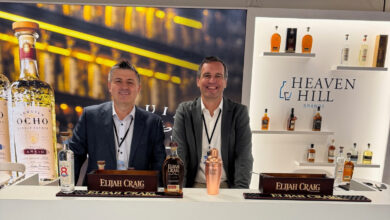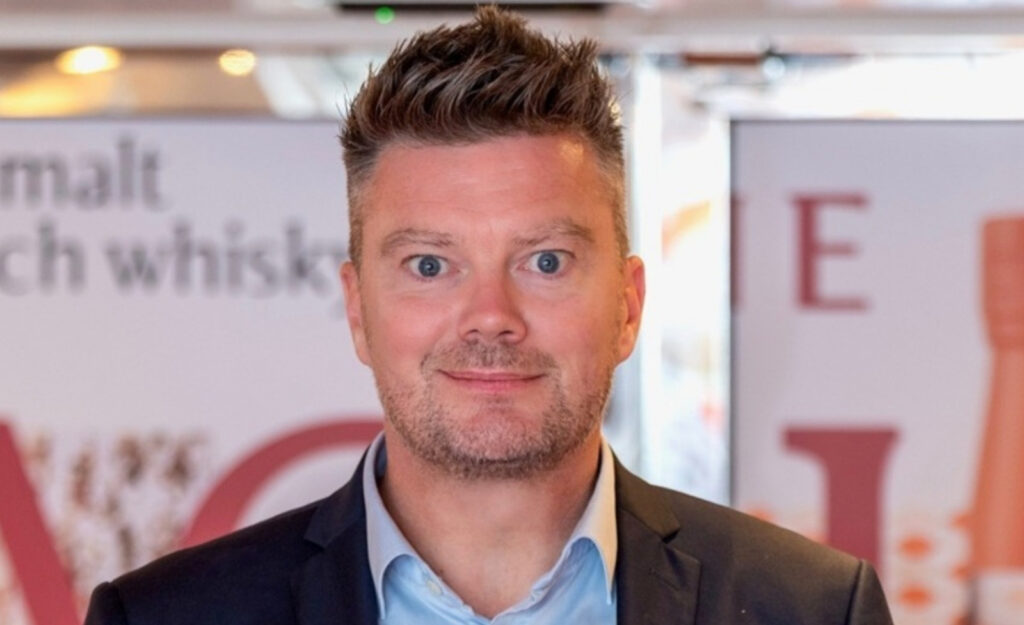
Kasper Moos Andersen, Regional Managing Director Global Travel Retail, On Edrington And The Way Forward.


Few companies embody the long game of premiumisation in travel retail as visibly as Edrington with The Macallan’s boutiques, pop-ups and constant cadence of storytelling-led innovation, where the group continues to treat airports as both a commercial engine and a global brand theatre.
But Cannes 2025 arrived with a more cautious mood: demand has cooled, volatility remains a constant companion, and value is increasingly defined by experience rather than price. In a very candid conversation with André de Almeida for TRunblocked.com, Edrington’s Regional Managing Director Global Travel Retail, Kasper Moos Andersen, reflected on what has changed, what hasn’t, and why the next phase will be won through partnership, education and sharper execution – more than ever.
André De Almeida (ADM): Kasper, how long have you now been at Edrington, and how did you get here?
Kasper Moos Andersen (KMA): Next year will be 20 years. I started out in Denmark many years ago, spent time in the domestic Northern European markets, and it’s nice to be back in travel retail once again.
ADA: It has been a challenging market with slowing demand and volatility. As a company, Edrington’s core revenue was down by 10% and profit contribution by 28% year on year. How has Edrington Global Travel Retail fared over the last 12 months?
KMA: There are two possible angles to look into this question. Firstly, demand has slowed globally, and travel retail is never immune. Any volatility caused by war, conflicts, weather events, barriers to trade, will always impact the global travel retail channel and specific domestic markets. So broadly, we’re no different from the wider industry.
But I think the long-term trend is still the same: people are drinking less but drinking better, and premiumisation is still going on. Consumers are more cautious, but if you have the right offering, with the right space and experience, you can still recruit consumers to your brand.
ADA: Any markets that surprised you – positively or negatively?
KMA: Generally, markets are performing similarly. The bigger differences are often driven by the specific channel or by passenger profiles. Cruise business as an example has been more volatile previously so it will be interesting to follow its progress going forward. India as a market is being called out positively, not only in reference to the dynamics in the country, but also to the Indian traveller and diaspora themselves moving around the world. Alongside Chinese travellers and other high spending nationalities, they will always be important to the GTR channel. High spending travellers remain relevant wherever they are in the world.
ADA: Edrington is synonymous with premium Scotch. How is high-end Scotch behaving versus mainstream whisky in travel retail?
KMA: Some consumers will always look to travel retail as a channel offering value for money. We heard a number this morning at the TFWA Conference that around 17% see it that way. But that also means 83% of consumers are looking to the channel for new experiences, new products, new storytelling in an exciting retail environment.
That’s where we, particularly with The Macallan, have a role to play through NPD, different and interesting liquid profiles, and tapping into the six pillars of the brand. (Note: The 6 Pillars refers to: Mastery/ Exceptional Oak Casks/ Sherry Seasoned/ Natural Colour/ Curiously Small Stills/ The Macallan Estate).
ADA: Given the softer market, has brand investment been impacted, or are you still investing at the same level?
KMA: Our long-term commitment remains the same as a company. We’re investing significantly – particularly in travel retail versus other channels – because the travel retail environment is a unique moment to capture the consumer’s attention and build a relationship.
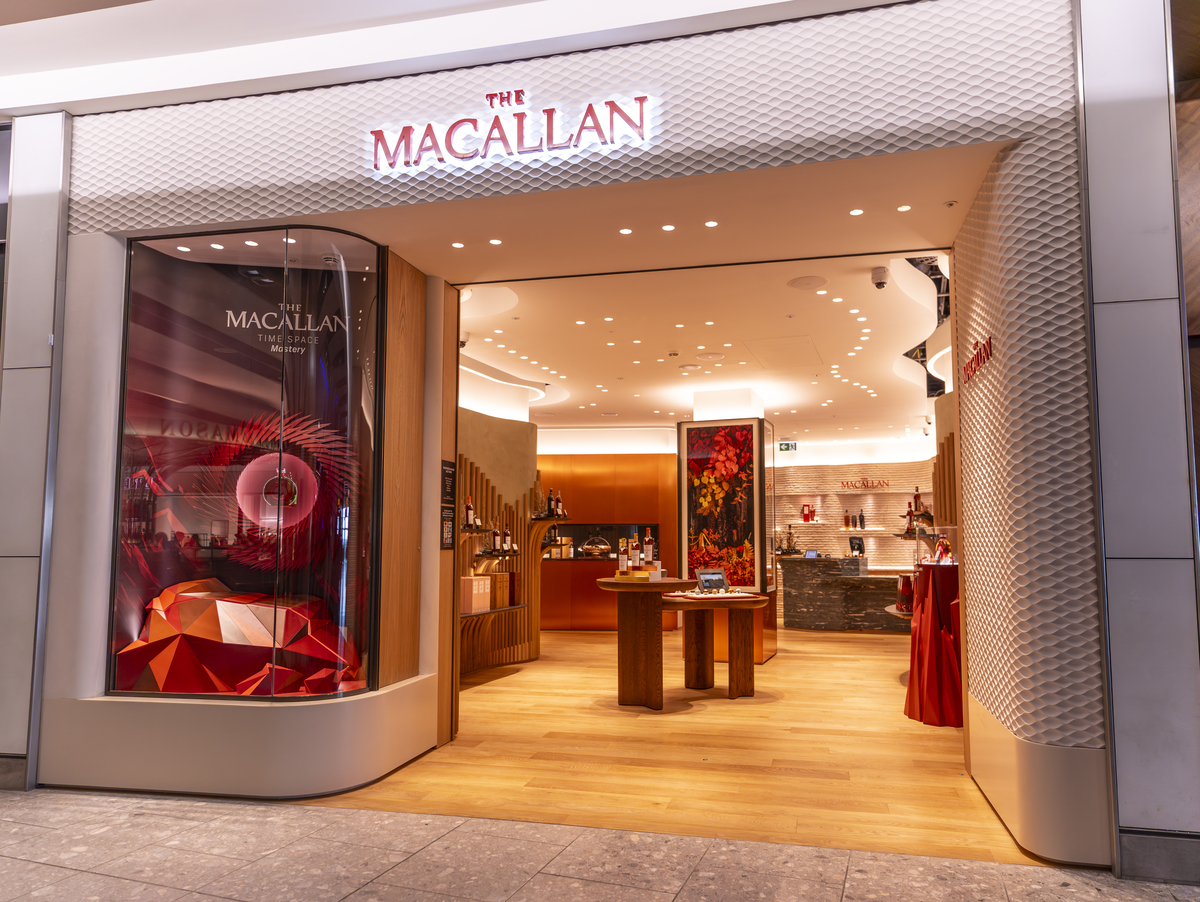
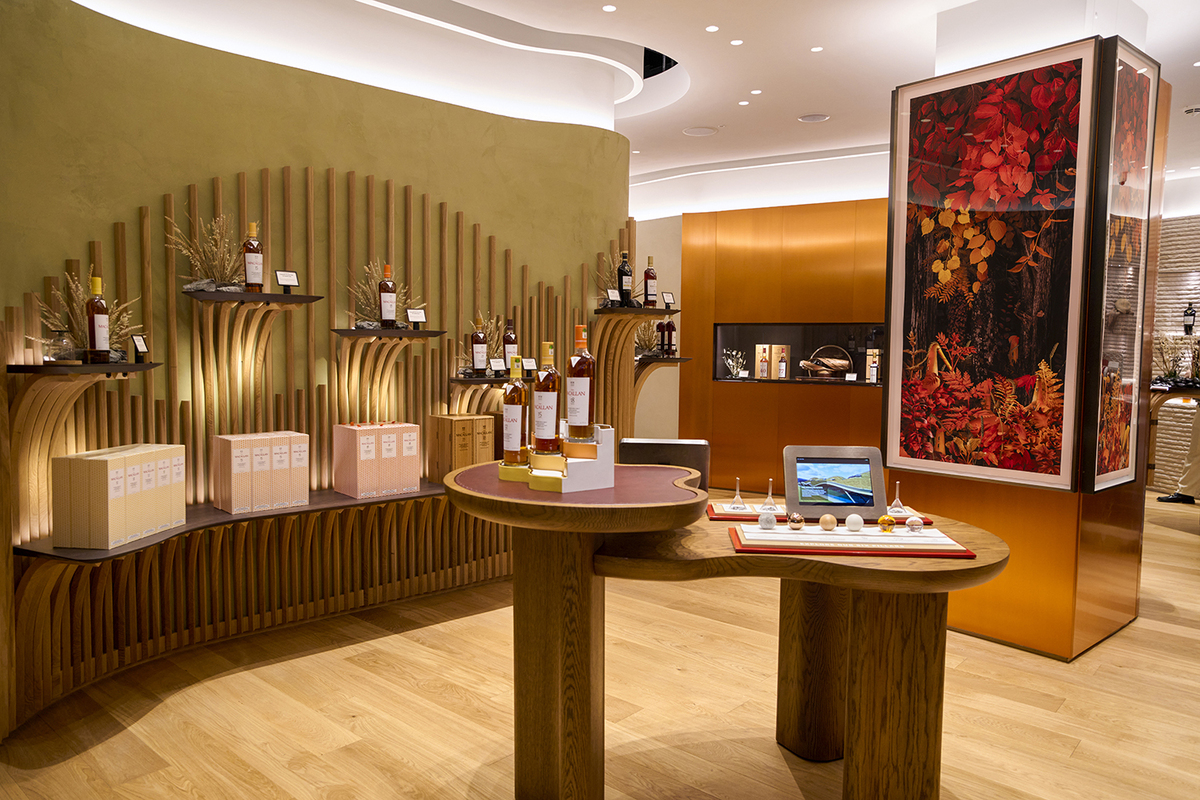
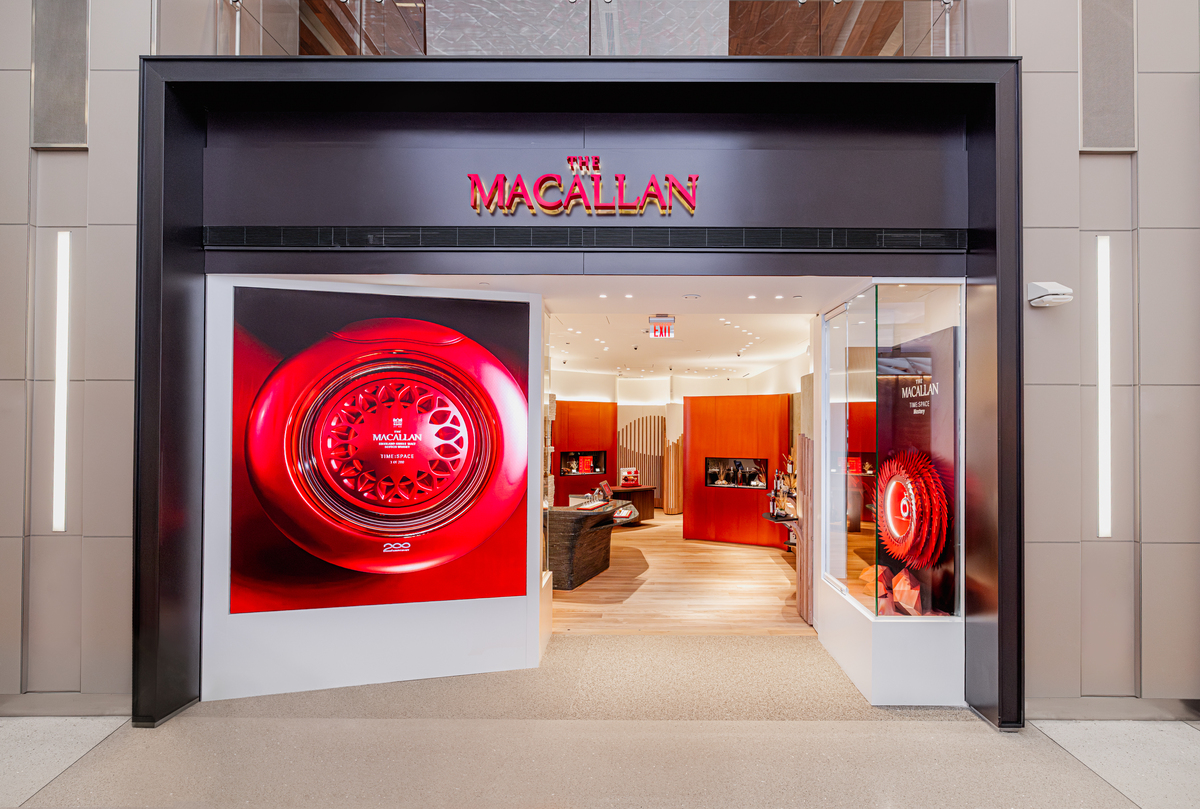
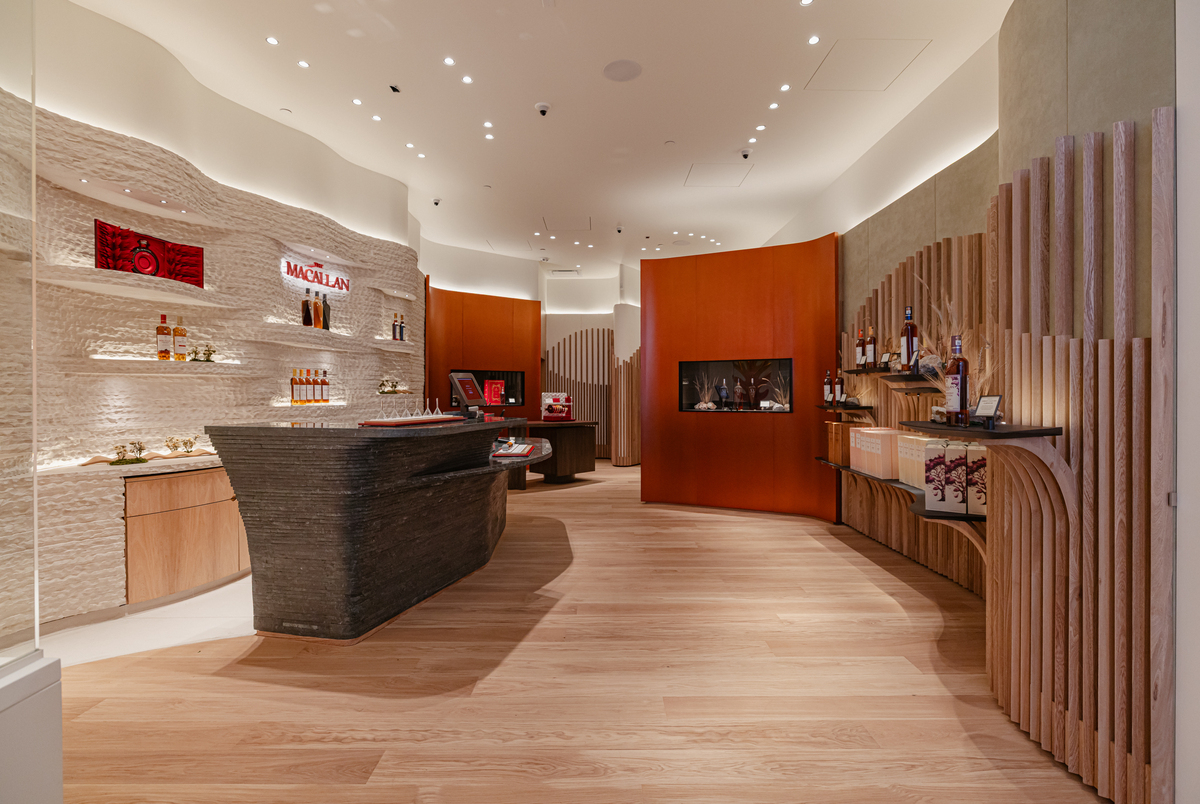
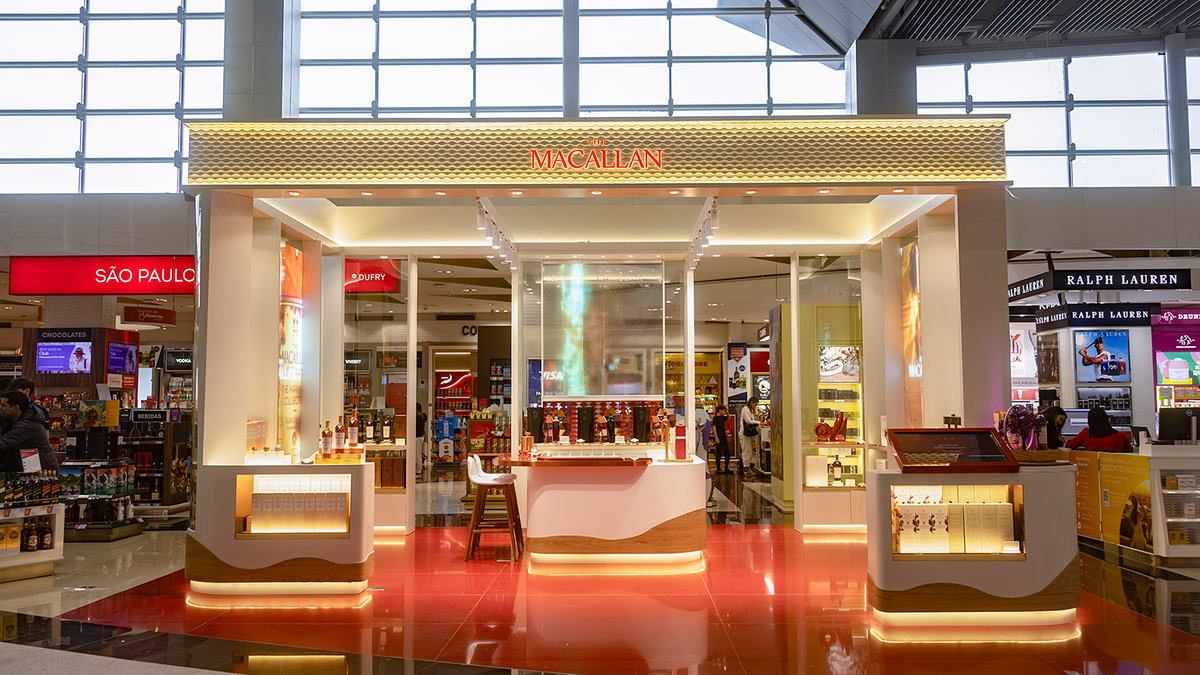
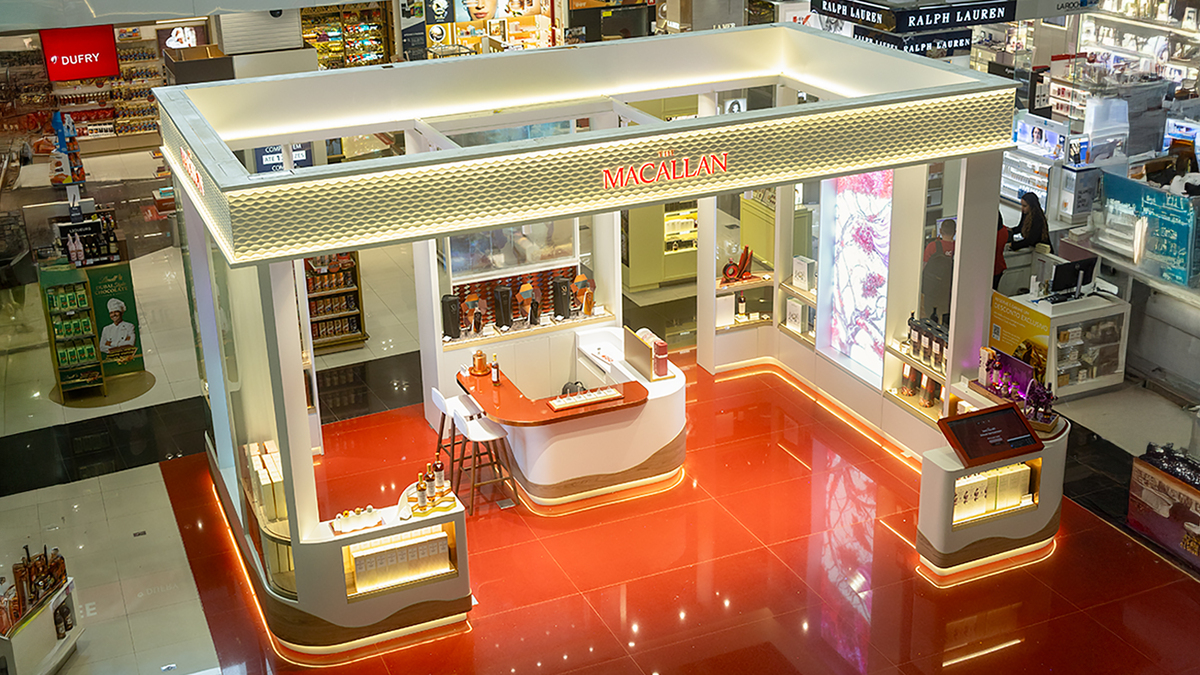
We may prioritise certain projects, but we’re not investing less. The recent boutique openings in London, LA, a shop-in-shop in São Paulo, are testaments to that investment. We have a large number of brand consultants around the world guiding consumers, and we work with partners locally because what works in one place doesn’t always work in another, so we are adapting to each location also.
ADA: The Famous Grouse transition (to William Grant & Sons in 2025) was a big moment historically for Edrington. Will it impact on route-to-market or distribution?
KMA: Personally, I worked with The Famous Grouse brand for all of my 20 years in the business, so it’s sad to see it go. Having said that, from a company strategy perspective, it aligns with focusing on the higher end of consumption and the long term premiumisation trend.
ADA: Innovation is essential, but so is protecting core brand identity. How do you balance that, particularly for The Macallan?
KMA: The Macallan has historically been defined by investment in quality casks, recently reinforced in 2023 through the acquisition of a 50% stake in Spanish sherry producer Bodegas Grupo Estévez, which owns the historic Valdespino brand, securing a sustainable supply of sherry casks.
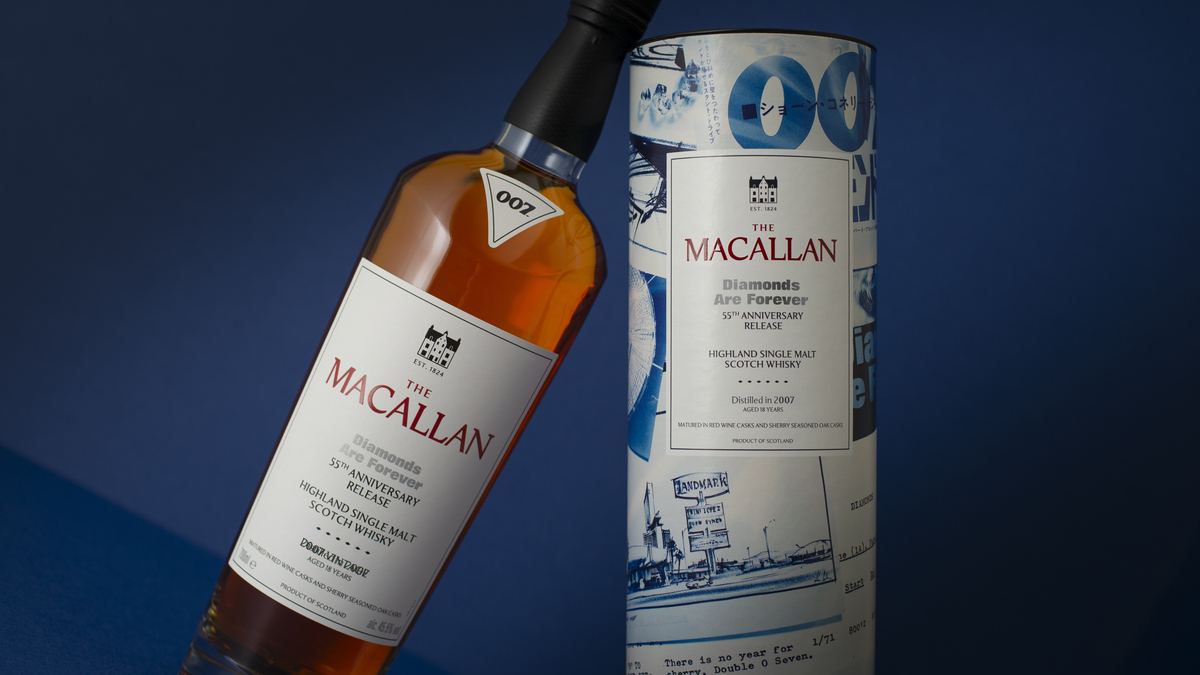
Innovation sits within the six pillars of the brand and the sherry spine running through the range, which is normally what you will see on all of our NPD such as the recently launched The Macallan Harmony Collection.
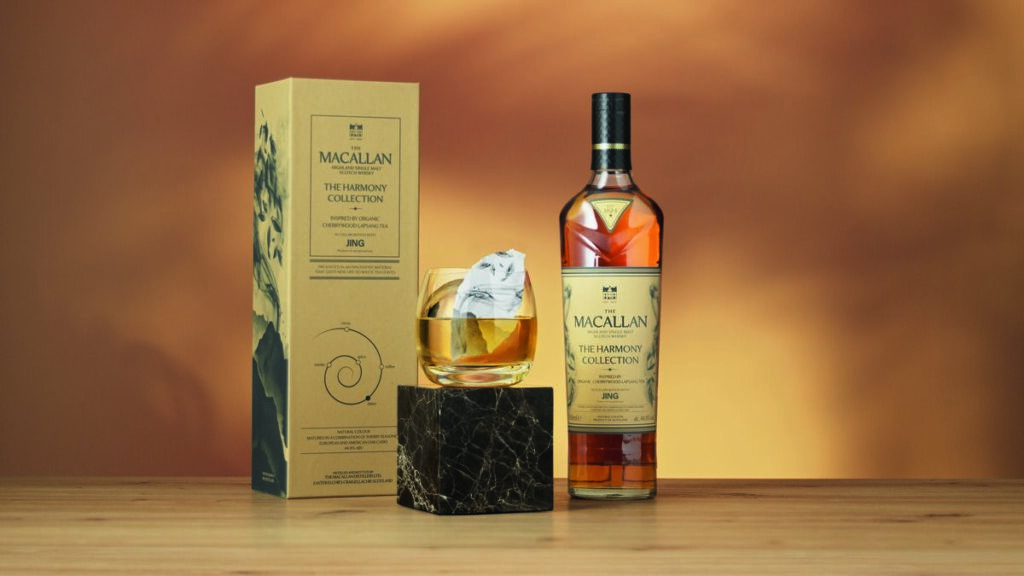
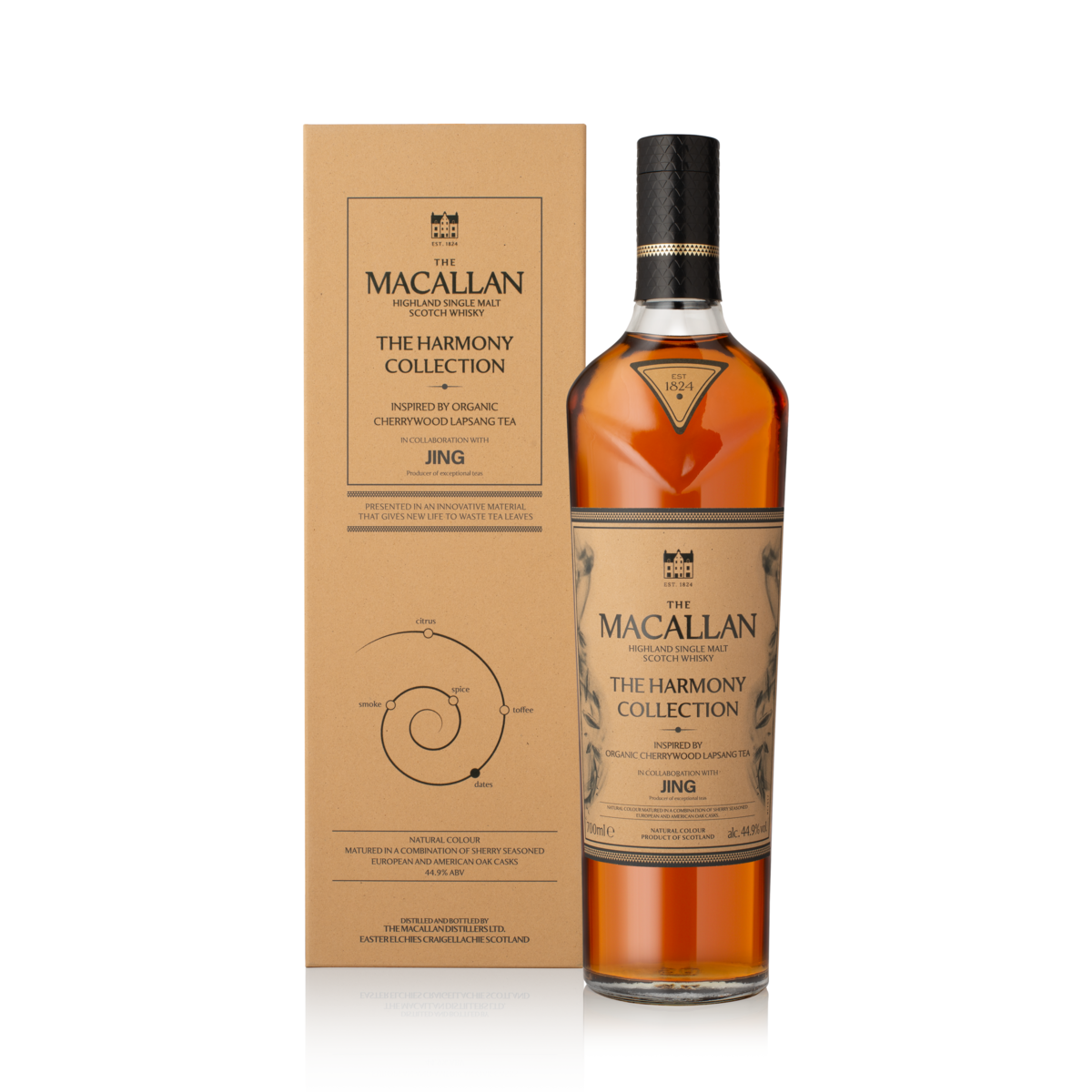 You can stretch in different directions, but that centre holds. We’re also very lucky, the people before us put great new make spirit into quality casks to provide us with fantastic whiskies, and The Macallan whiskies being enjoyed now benefit from those decisions. Then there’s the importance of education, taking consumers through a flavour journey and helping them navigate the variations in the range.
ADA: And how about for Highland Park, how are you building innovation on the brand from Orkney?
KMA: Highland Park’s DNA is that unique heather-smoked, honey-like liquid from Orkney, a gentle smoke that sits distinct from heavily peated and non-peated single malts. It has won major accolades over the years, such as our 18 years old which has won ‘Best Spirit in the World’ multiple times by F. Paul Pacult, editor of The Spirit Journal. The rebrand moved from a darker world to a lighter one, while the liquid remained the same. The mission is to widen the brand and invite new consumers, perhaps speaking to a broader audience, while still catering to our existing consumers.
ADA: So what can we expect from Estate brands in the Edrington portfolio such as Wyoming Whiskey and The Glenrothes as well as Brugal Rum?
KMA: The focus for the Wyoming Whiskey is very much on the US for the immediate future because if you want to win in bourbon, you need to win in the heart of bourbon country. If you look at other brands such as The Glenrothes and Brugal Rum, there has been plenty of innovation in the last couple of years, particularly on Brugal in the premium segment.
ADA: With price sensitivity returning, are you observing trading down in Scotch, or a shift in what consumers purchase?
KMA: Immediately after the pandemic, we saw a surge of demand for single malt scotch whisky, resulting in an increase on the average basket spend. I think what we are seeing now in the market is the ‘new normal’ with price being one element in the value proposition to consumers.
Effectively you have different consumer types: connoisseurs, first-timers, enthusiasts, all shopping across different price points. It’s a very competitive environment. Price does matter, but if you want to drive a premium or luxury brand, you have to lead with experience, storytelling and brand education and understanding. If everything becomes “price-first”, it’s a dangerous downward spiral.
That’s why we’ve invested even more in retail space, staff education, and people on the ground to help consumers navigate our product range, plus innovation that offers unique experiences.
ADA: You’ve continued to open The Macallan boutiques and pop-ups over the last 12 months. What’s the benefit, and is there a difference between the two formats?
KMA: Consumer engagement is the reason as we know consumers want new experiences. Our ambition is to help lead the category development in a humble way even though this approach is not one taken by every brand. Boutiques are more immersive and can focus more on The Macallan’s prestige range, along with some highly allocated products which are boutique-exclusive.
In comparison, pop-ups and shop-in-shops are often more innovation-led. We have clear internal KPIs and measure ourselves against major luxury brands. Despite that, we are still learning whilst delivering some great results. I need to also give a big shout out to all of our team members in these boutique stores that make all of the interactions with our consumers unique.
ADA: So are there three messages you want to send to the channel?
KMA: First, our continued commitment as Edrington to invest in consumer engagement and brand experience, because ultimately the consumer makes the choice on what to purchase and enjoy. Second, I invite partnership conversations with retailers and operators in the GTR channel; obviously we have our own brand strategy, but we want to work together to drive growth. And third, a call for the “trinity” of travel retail to truly work in partnership – brand, retailer, and the broader ecosystem.
ADA: Looking five years ahead, what structural shifts do you believe will most redefine global travel retail – and how is Edrington preparing for them today?
KMA: Travel retail continues to evolve from transactional shops into curated, connected, and personalized experiences engaging consumers through emotional storytelling and sensorial engagement. This will be supported by digital and accelerated by AI. We expect local culture to remain important as well as the focus on sustainability and convenience. The future will blend digital with physical discovery, making travel retail a meaningful part of the journey itself where consumers search for and explore innovative experiences.


To subscribe free, please enter your email address: